

Yardland Celebrates the Sounds Defining Summer '26 and Beyond
The soundtrack of Summer 2026 has a distinctly Francophone pulse. Reflecting on Yardland Festival in Paris, writer Ezra Olaoya explores the community, heritage and creative ambition powering one of Europe's most exciting cultural movements.
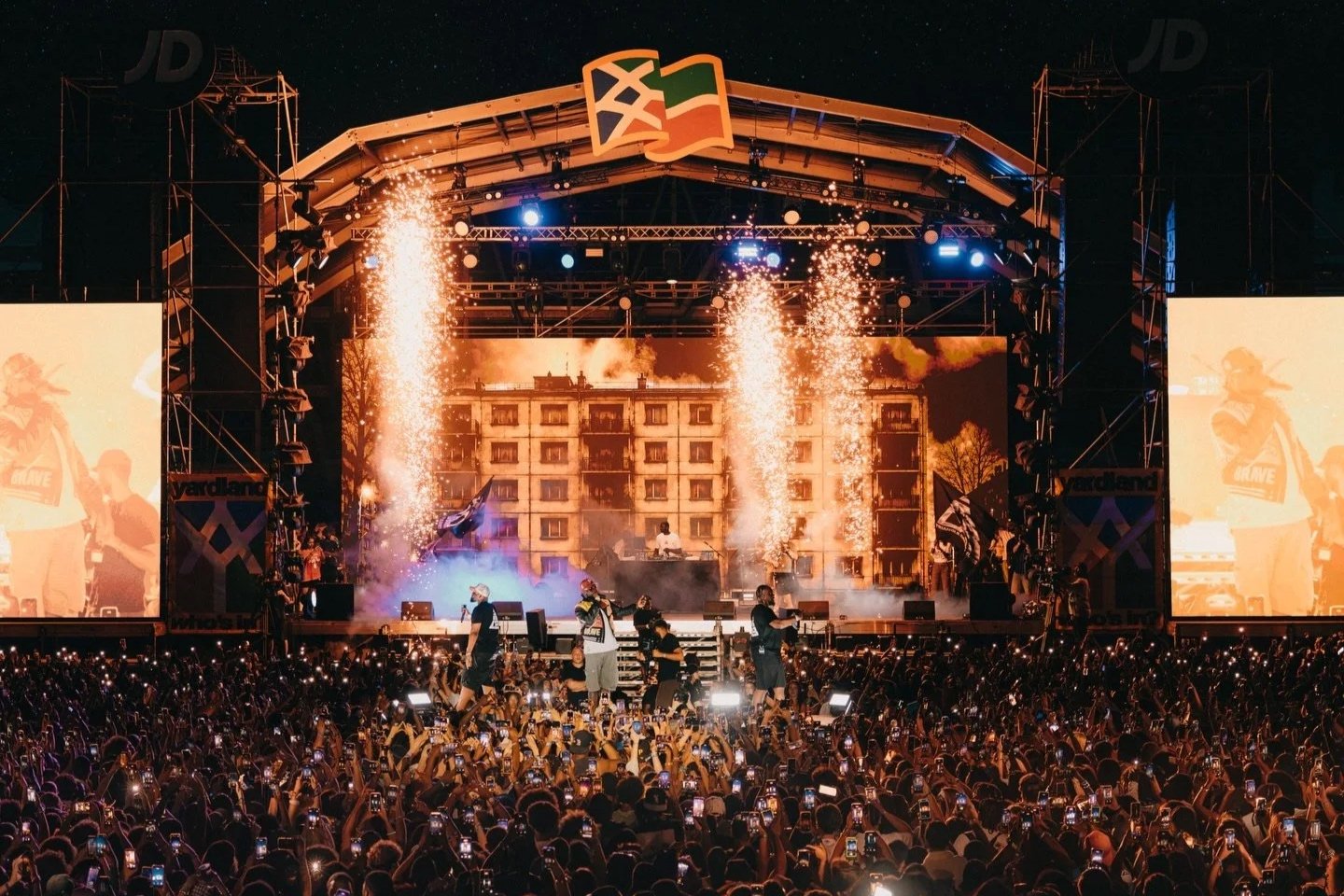
Yardland Festival, July 2026. Image property of Pierre Daschier.
You may have noticed that many of the most prominent sounds of Summer 2026 carry a distinctively Francophone twang. As a blazing heatwave rages across Europe, the summer has been narrated by the alluring Antillean drawl of artists like Miimii KDS caressing rousing bouyon drums, the earworm chorus of Mauvais Djo's "Pilé" and the explosive "Charger", which have all been shutting down functions—even in cities where the average partygoer's French-speaking skills would barely scrape a GCSE.
This year's Fête de la Musique—a national festival held annually to celebrate music in France—attracted a record amount of visitors from across the continent and beyond. This is testament to the magnetic pull of the sonics emanating from France and the Francophone nations. So what is behind this newfound French love affair?
There was only one way to find out: go directly to the source. So I headed to Yardland—a three-day festival celebrating the music and culture that defines what it means to be young in France—to get a better understanding of the forces behind the wave that has swept over Europe this summer.
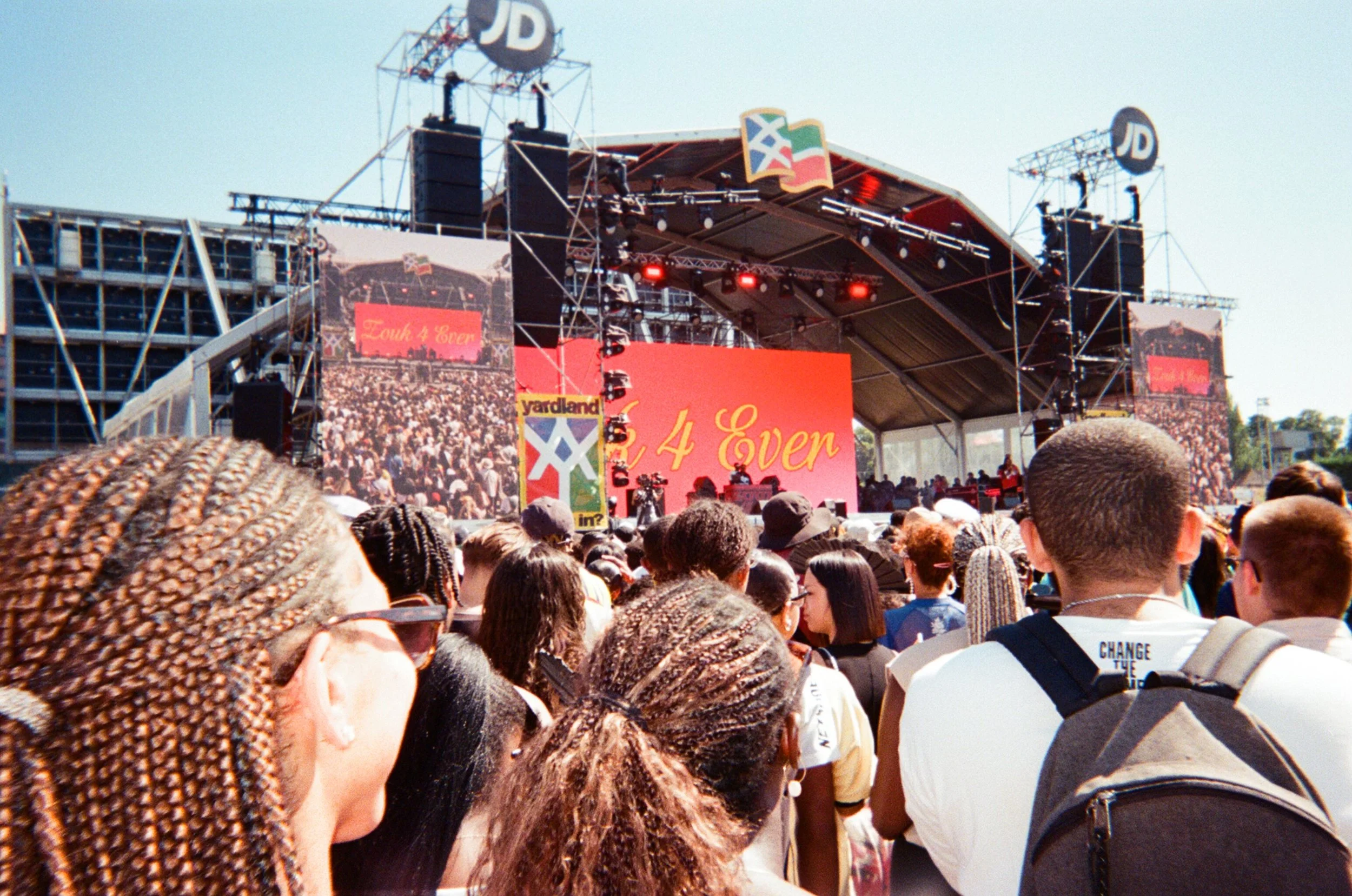
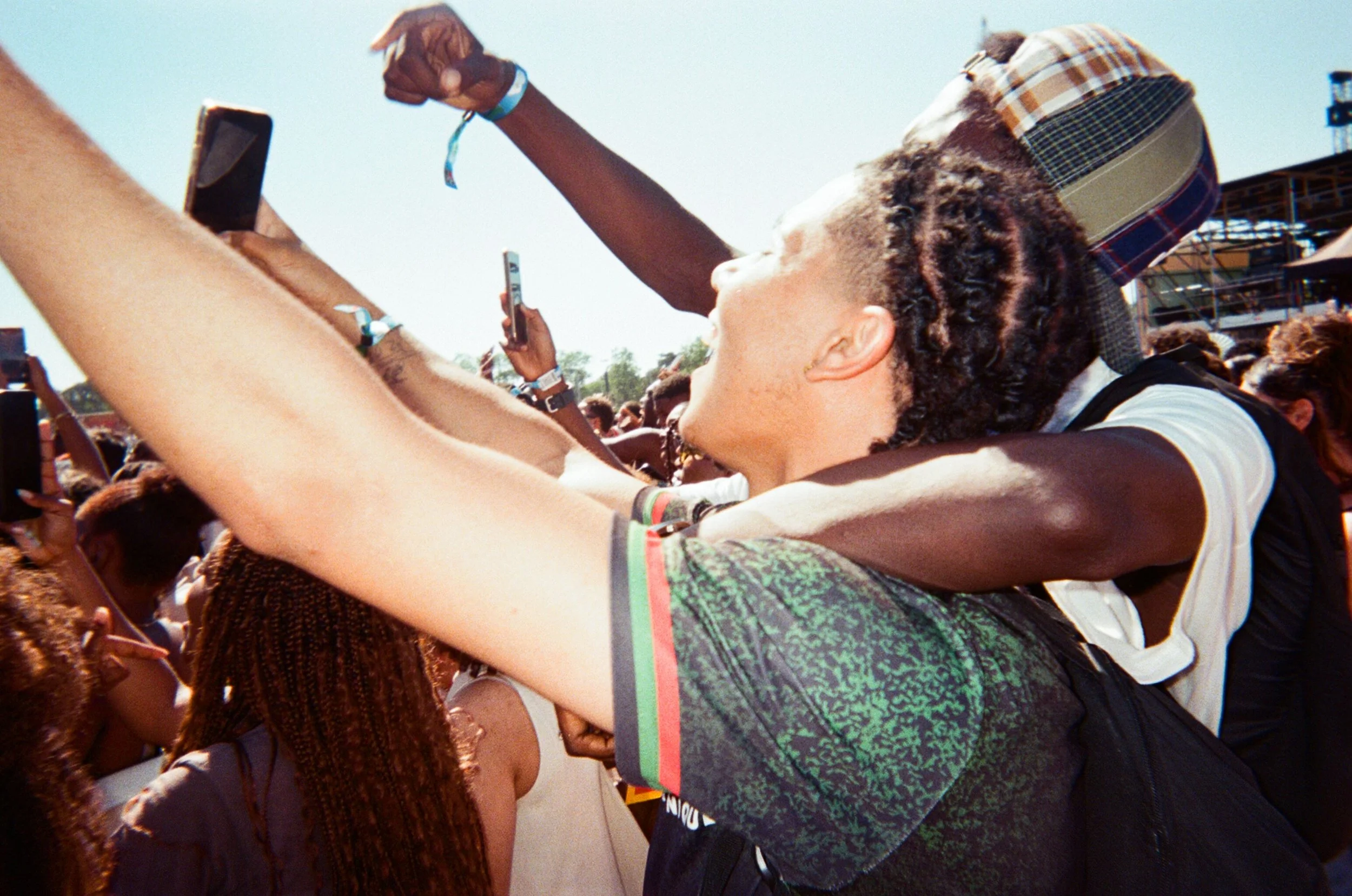
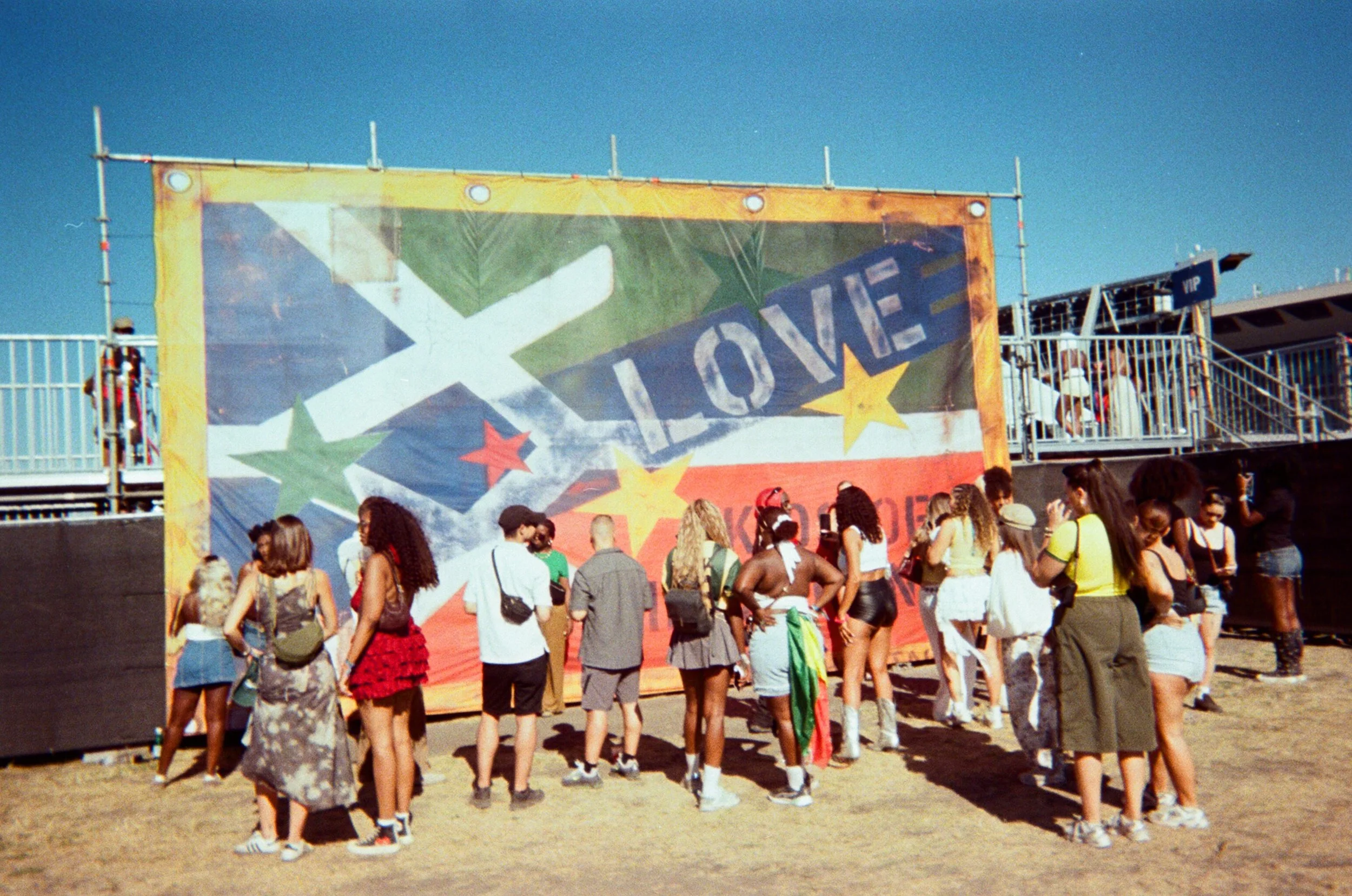
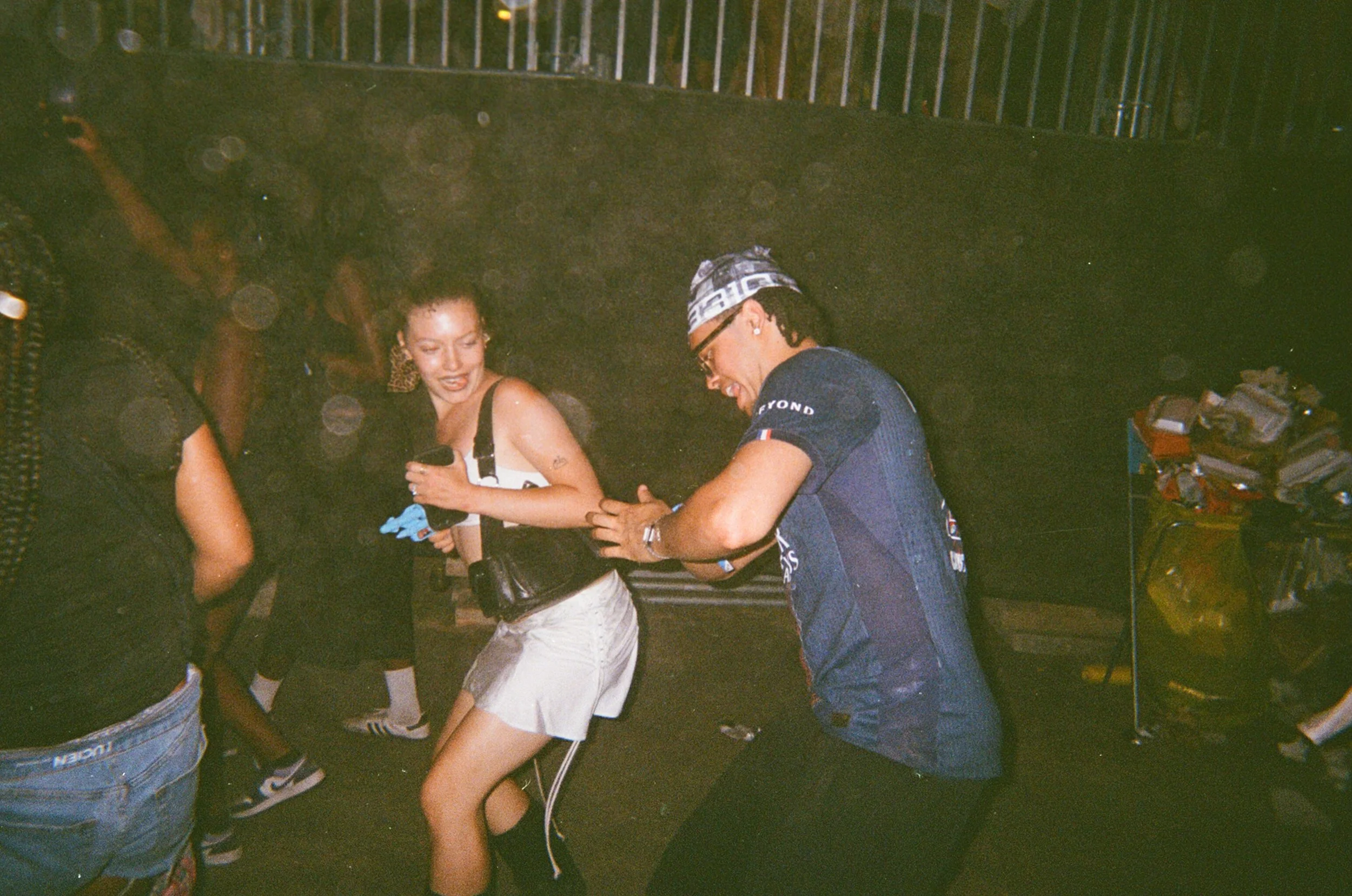
Yardland 2026. Images property of Ezra Olaoya.Founded in 2023 by Paris based creative agency YARD, Yardland was created with the intention of celebrating "the elevation of our culture"—a culture that is often demonised and marginalised in mainstream French public life. While divisive figures like Marine Le Pen have ascended in the political domain, over the past three years YARD's approach to achieving this elevation of culture has taken the form of intentional and thorough curation.
The curation considers the various interlinked elements that contribute to this culture: music, fashion, sport, community organisations, food and more. The fact that they prefer to describe Yardland as an "experimental community prototype", as opposed to simply a festival, is testament to the spirit of co-creation and experimentation that underpins YARD's approach.
This vision allowed them to platform local artists such as Theodora and Baeredith before their anthems had taken over parties and algorithms globally, while also holding space for the likes of Asake and Uncle Waffles in tandem with cult favourites like YT and Paxslim. Cultivating space to celebrate cultural pioneers while simultaneously platforming rising stars is vital to creating a flourishing ecosystem—and that was on full display at Yardland.
“In a society that often seeks to promote unity through uniformity, Yardland poses a bold new proposal: unity in embracing our interconnected diversity.”
When I arrived, I was blown away by the scale of the event. Held at the Hippodrome de Paris-Vincennes (a horse racecourse with a 40,000 capacity), there were three main stages named after brands which would be all too familiar with attendees of the festival: Salomon, JD and Corteiz (419 Stage). If one were to envision Yardland as a fictional nation, these stages perhaps presented different counties, where you could freely travel in and out to interact with different people and different approaches to life.
Beyond the stages, there was a lively marketplace with vendors selling food that reflected the diasporic makeup of the attendees. There was space to play chess, a library space and also stands to raise awareness of social issues such as the ongoing crises in Congo.
The expansive offerings reflected the wide-reaching and overlapping interests of the audience, speaking to them on multiple levels. In the same festival there was room to engage in a structured debate but also ample space to gyrate.
Yardland also reflected the rich mosaic of diasporic cultures and perspectives that co-exist in France.The Saturday had more of a Caribbean focus, with the zouk takeover celebrating an all-female line-up of legends such as Fanny J, Kim and Perle Lama.
Performing to an audience who would mostly have been in primary or secondary school during the prime of their careers, this women's takeover was a testament to the longevity and timelessness of their work. They made sure to remind the audience that "zouk n'est pas mort"—zouk isn't dead.
The Caribbean takeover later in the evening featured Miimii, 1T1 and a host of others who carried similarly charged messages. In and amongst the revelry, artists celebrated the significance of platforming artists from the Caribbean. Both takeovers spoke to cultural preservation but also a humility on the part of the artists to see themselves as part of a bigger picture.
I found the celebration of heritage particularly profound as it didn't come across as vapidly nostalgic. Instead, there was a progressive veneration, where roots were given the respects they deserve while also being brought to the present and future.
A similar sentiment was apparent on Sunday, which had a more continental African focus, with platforms like Ntaba 2 London and iMullar alongside artists like Brazy and Shallipoppi. They all embraced heritage while being firmly in the present.
Tialola's surprise performance at the 419 stage embodied this spirit—his performance of "Mélo Décalé", for example, paid homage to the heritage of coupé-décalé while infusing it with a spirit of contemporary Paris. This simultaneously asked questions of remuneration of Francophone artists while outlining who laid the pathway for the current generation.
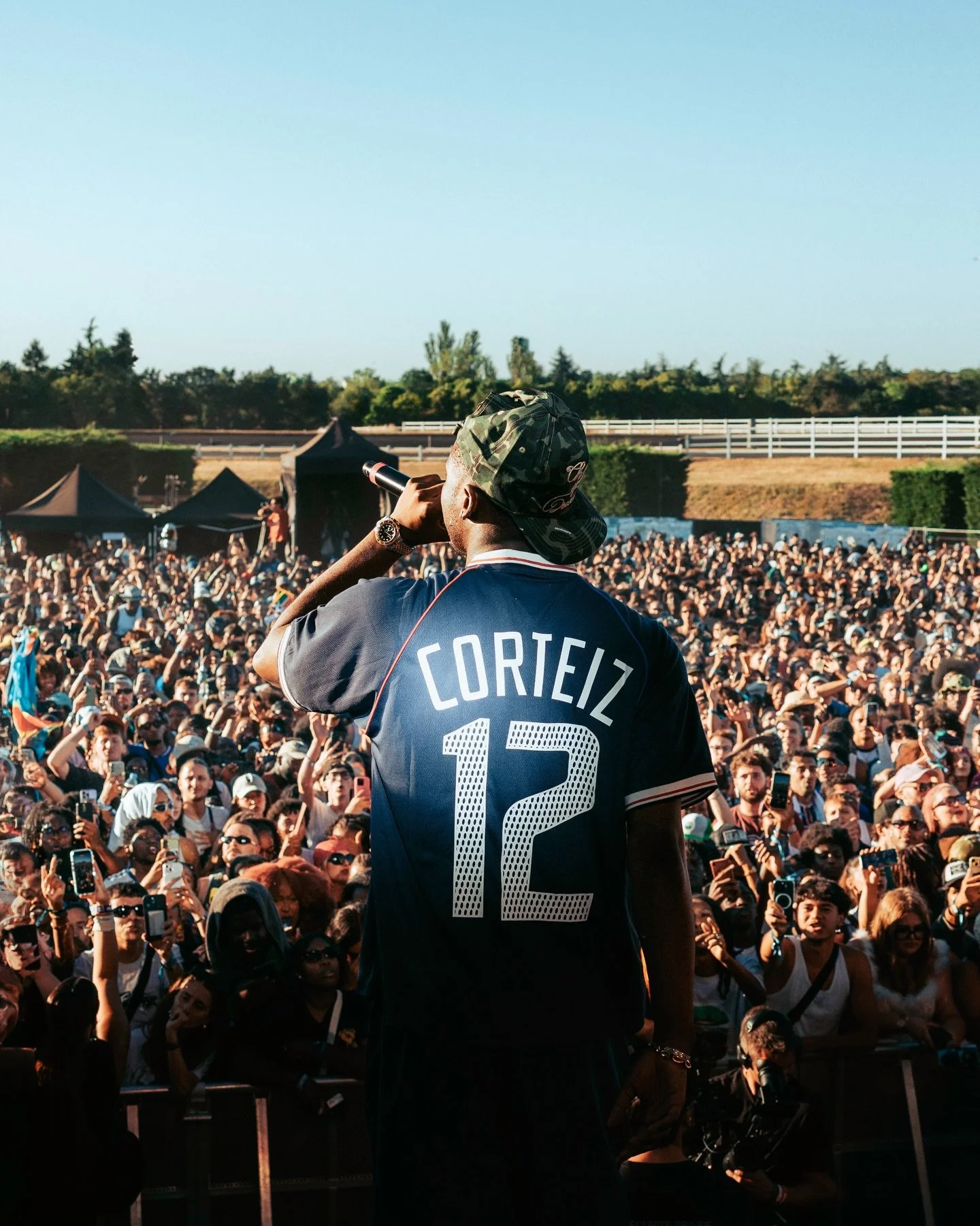
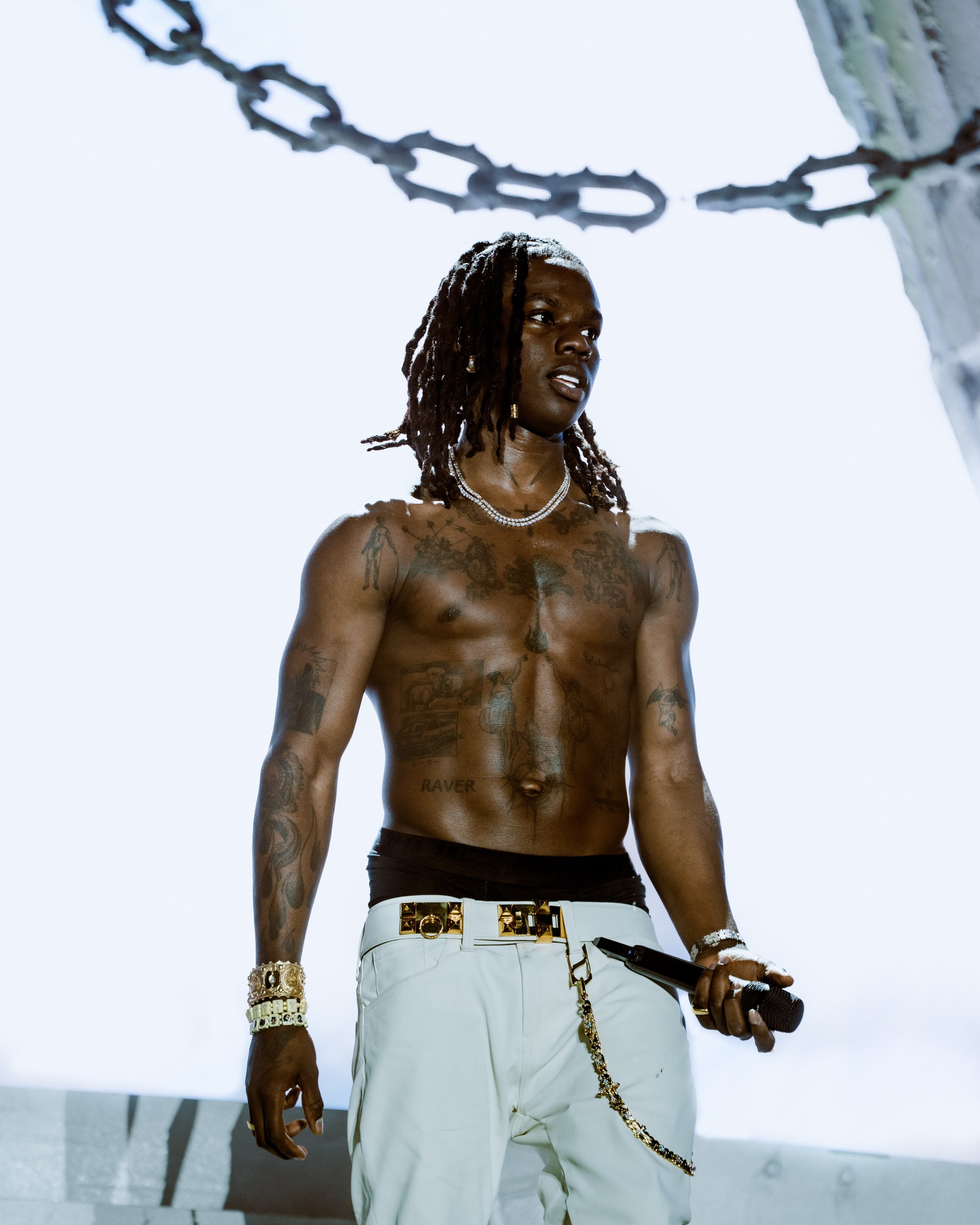
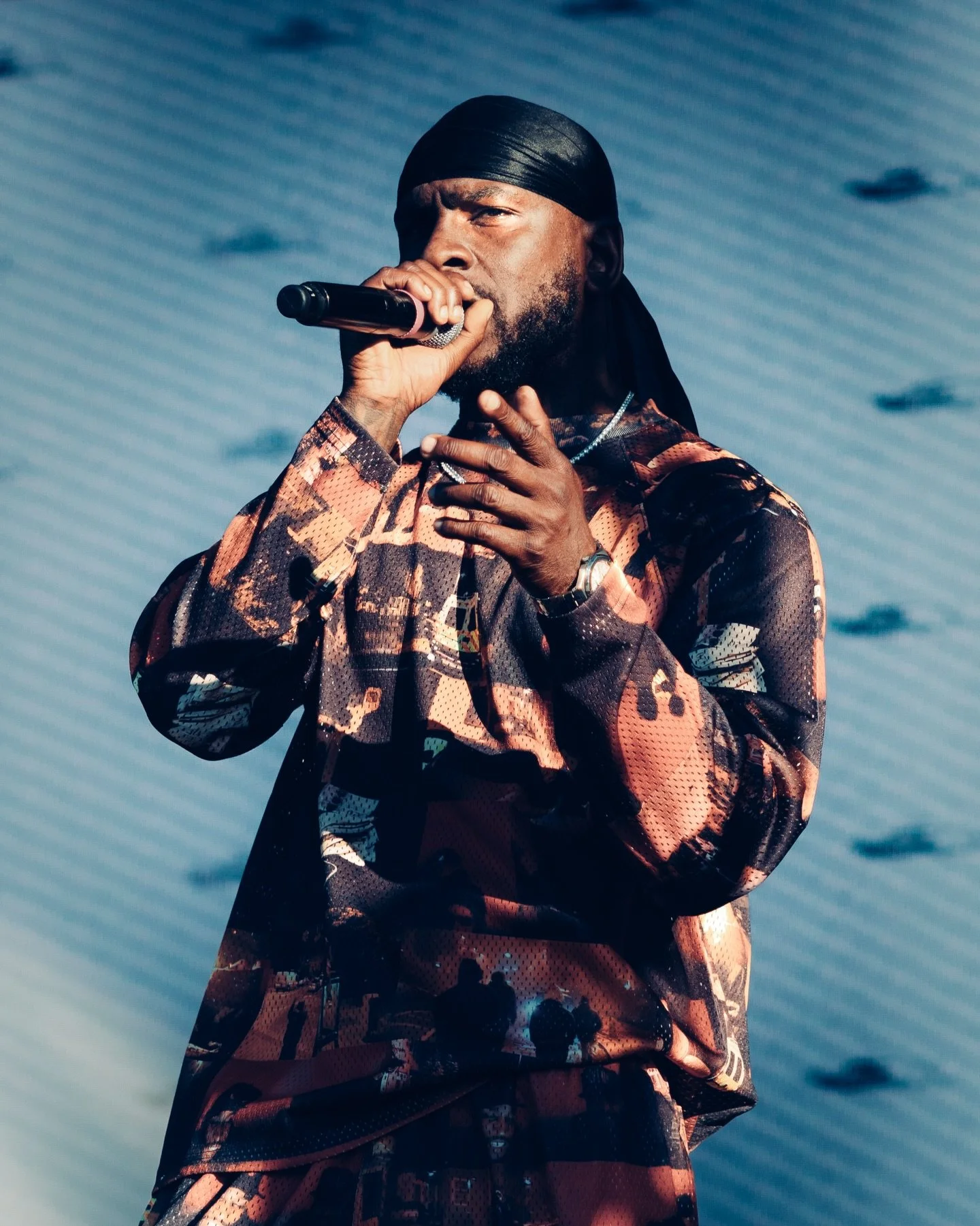
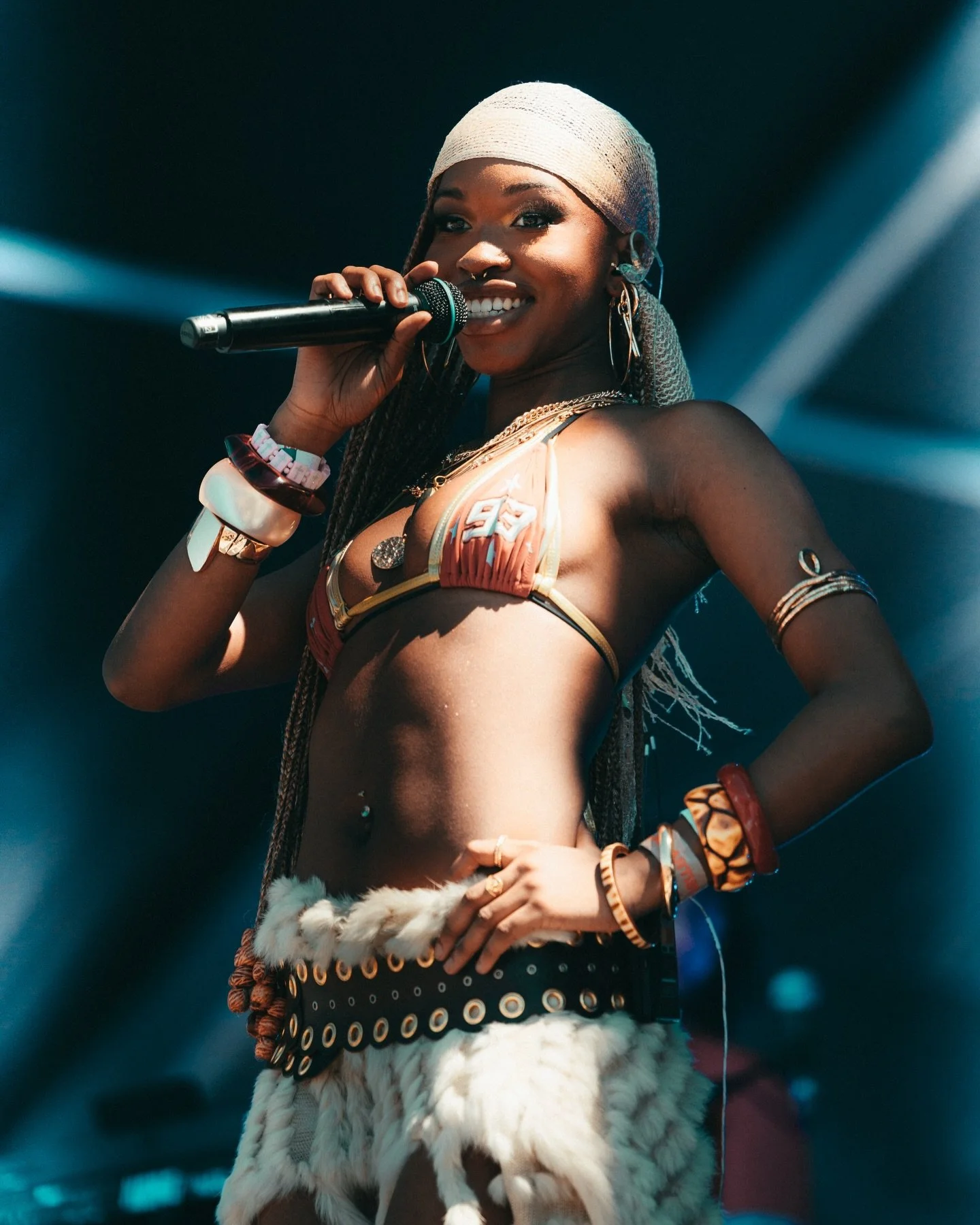
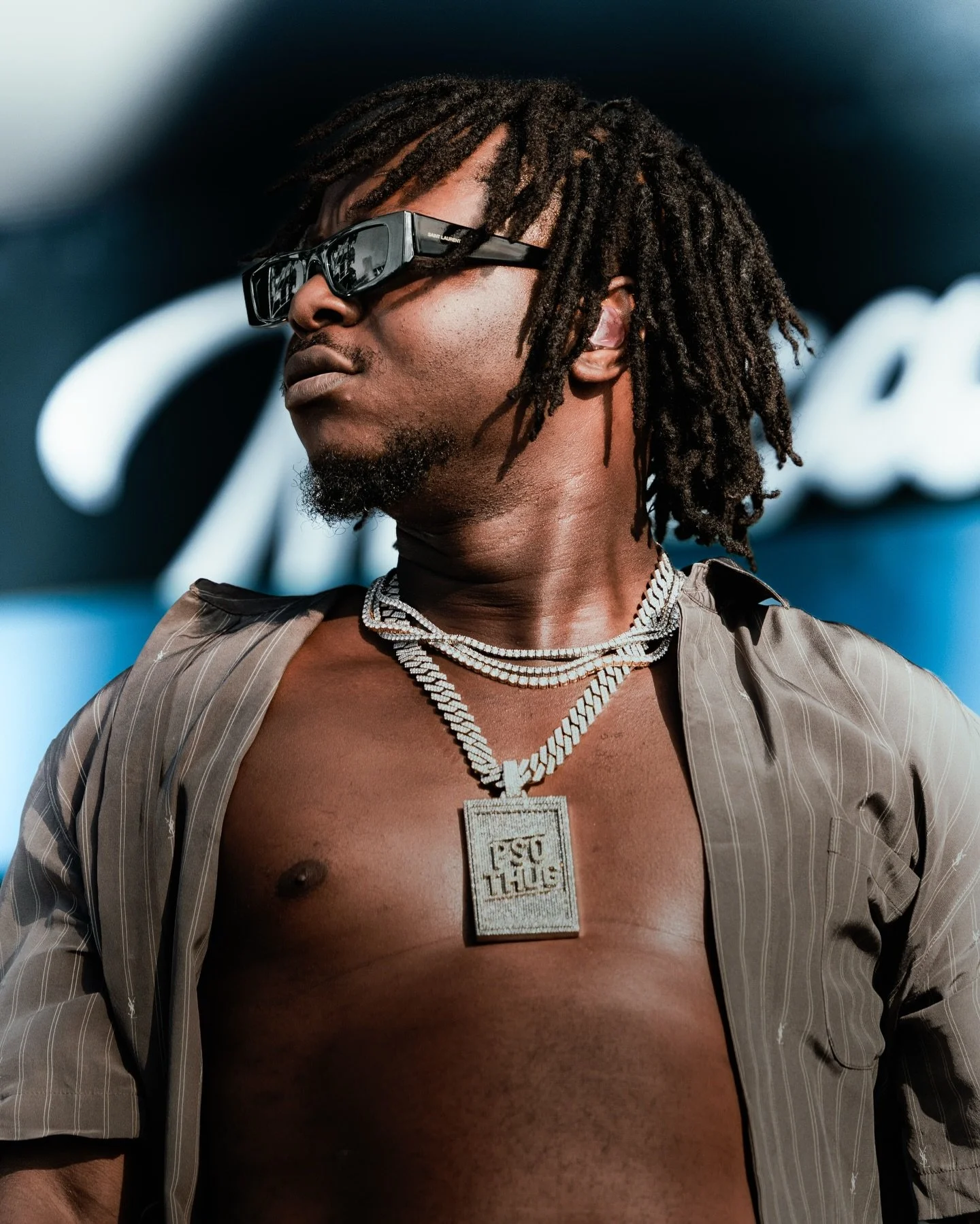
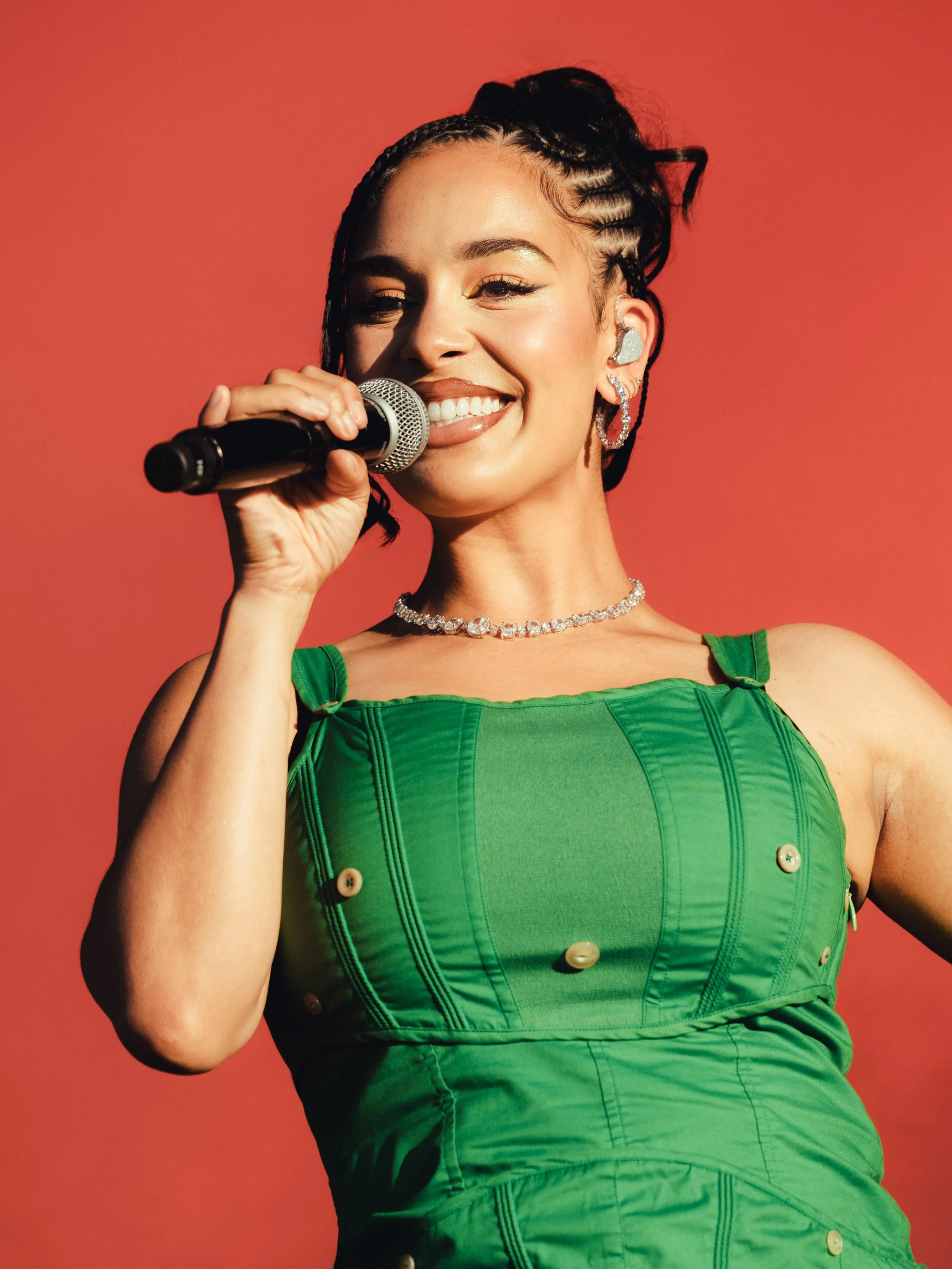
Performers at Yardland, July 2026. Images property of Yardland, Pierre Daschier and Loubet.The 419 Stage was a particularly notable showcase of the ever-evolving cultural relationship between France and the UK. While the UK's interest in Fête de la Musique may have drawn the ire of many online, the story in real life and between artists suggests one of appreciation. The 419 Stage hosted UK legend Skepta, rising star FinesseKid and Jorja Smith, who performed her greatest hits while paying homage to dance classics (in theme with progressive veneration).
Across the other stages, acts like kwn, Nippa and Natanya also flew the flag for the UK in this space, showing how Yardland acts as a conduit platform for cultural exchange. The festival felt distinctly French, but with a key acknowledgement of the interaction between different elements that comprise youth culture in France today, even if they are external.
Sunday night saw Nigerian star Rema close the night with an incredible performance. By bringing acts like Logobi GT and the legend Awilo Longomba onstage, I feel he exemplified the spirit of the Festival—sharing the stage with others, acknowledging the lineage you are part of, experimenting and honouring unity without diluting your essence.
In a society that often seeks to promote unity through uniformity, Yardland poses a bold new proposal: unity in embracing our interconnected diversity. If the three days of the festival are anything to go by, perhaps this small but mighty ephemeral nation can set a precedent for us all to follow.
See more of Yardland 2026 on their InstagraM HERE.