

A Black British Story: How Will We Be Remembered?
This April, London's V&A East opened its doors to The Music is Black: A British Story—an exhibition that explores the rich history of Black British music alongside fashion and art. Writer Mayowa Amolegbe reflects on the showcase and, in turn, how our own generation might be remembered.
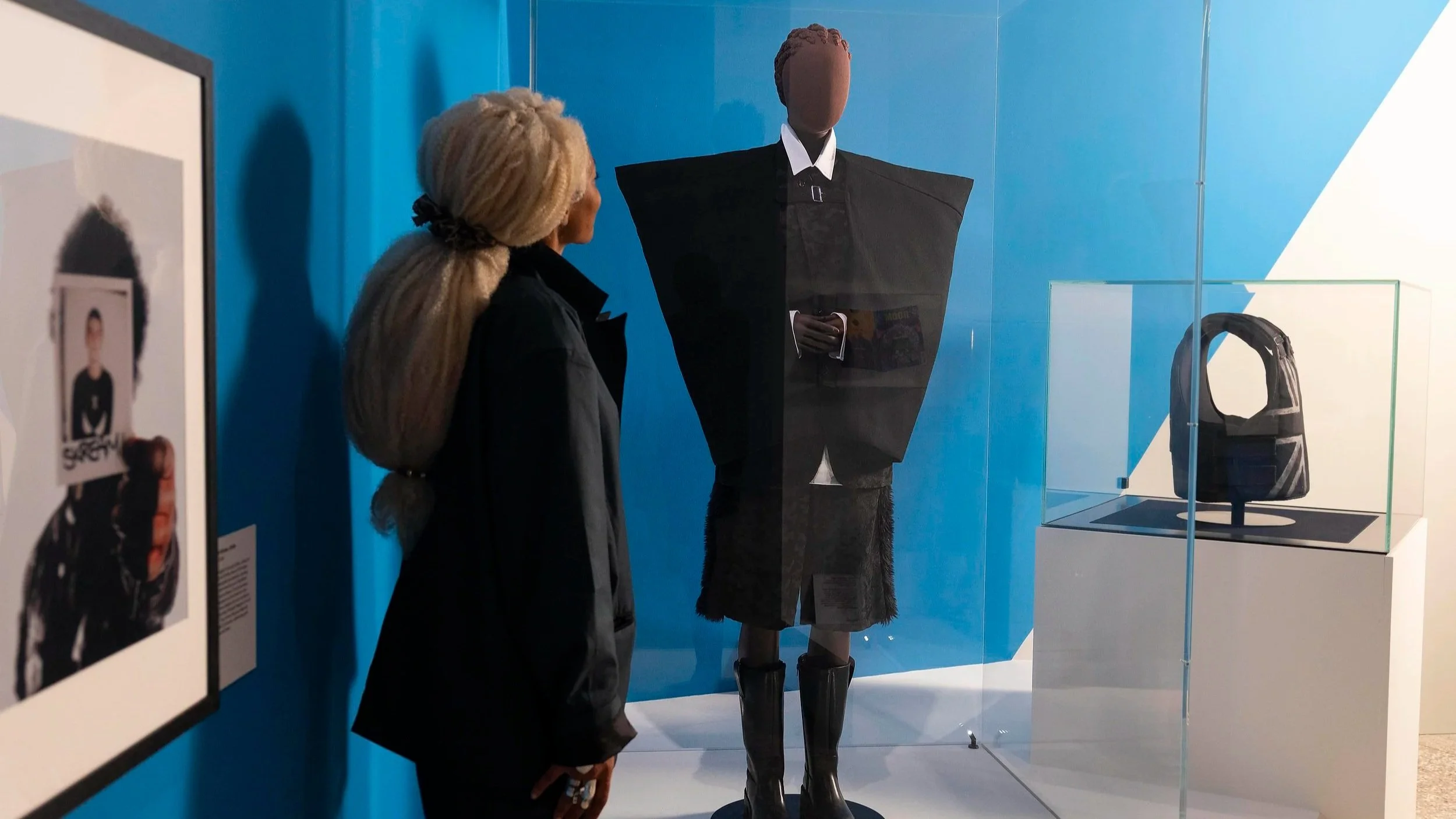
V&A East Museum's inaugural exhibition The Music is Black: A British Story. Image property of David Parry.
It's almost impossible to think of what things will be like 125 years into the future. What will society say about us in 2151? How will they remember us—our music, our culture, our lives? Whether we are entirely conscious of it or not, we're creating history every day and gradually contributing to how future generations will simultaneously learn from and judge us.
And as young Black Brits, we carry the weight of defining ourselves and our culture so that no-one else does it for us. With the rise of AI, this mission becomes more and more imperative.
Over the last few years, there's been a rise in music history exhibitions tasked with showcasing the evolution of Black British music. A stellar example was the British Library's Beyond The Bassline: 500 Years Of Black British Music in 2024. Such presentations insightfully explore the legacy of UK platforms that are often overlooked. But do these exhibitions do enough to help us combat the constant erasure that Black British history is subject to?
With a 125-year timeline as its starting point, the V&A East Museum's inaugural exhibition The Music is Black: A British Story is a comprehensive study into a rich history dating back to 1900. Reaching towards pre-colonial Africa as a prelude, the exhibition is a combination of artistry, musicality and style. Divided into four Acts, it weaves together a narrative that celebrates culture and the history of music, whilst documenting the ever-present challenges that Black British people have faced.
“Black British art as we know it isn’t simply a sudden apparition, but a deeply rooted and evolving story.”
In tracing the evolution of Black music in Britain, the wider story slowly reveals itself. Beginning with Ben Enwonwu's sculpture "The Drummer", Africa is rightfully situated as the origin of the exhibition's musical journey, showcasing artwork and artefacts that depict the struggles of enslaved people and the growth of religion.
With headphones on, visitors are immersed in soundscapes by Bankey Ojo, then transitioning into music reflective of different historical periods and featured objects. A standout moment is the inclusion of items foundational to many Black British musicians' careers. A bowtie, a conductor's wand, a bowler hat and a Nintendo morph into aids that tell their own stories—tales of how musicians like Jme, Lord Woodbine, So Solid Crew's Megaman and Samuel Coleridge Taylor became who they are.
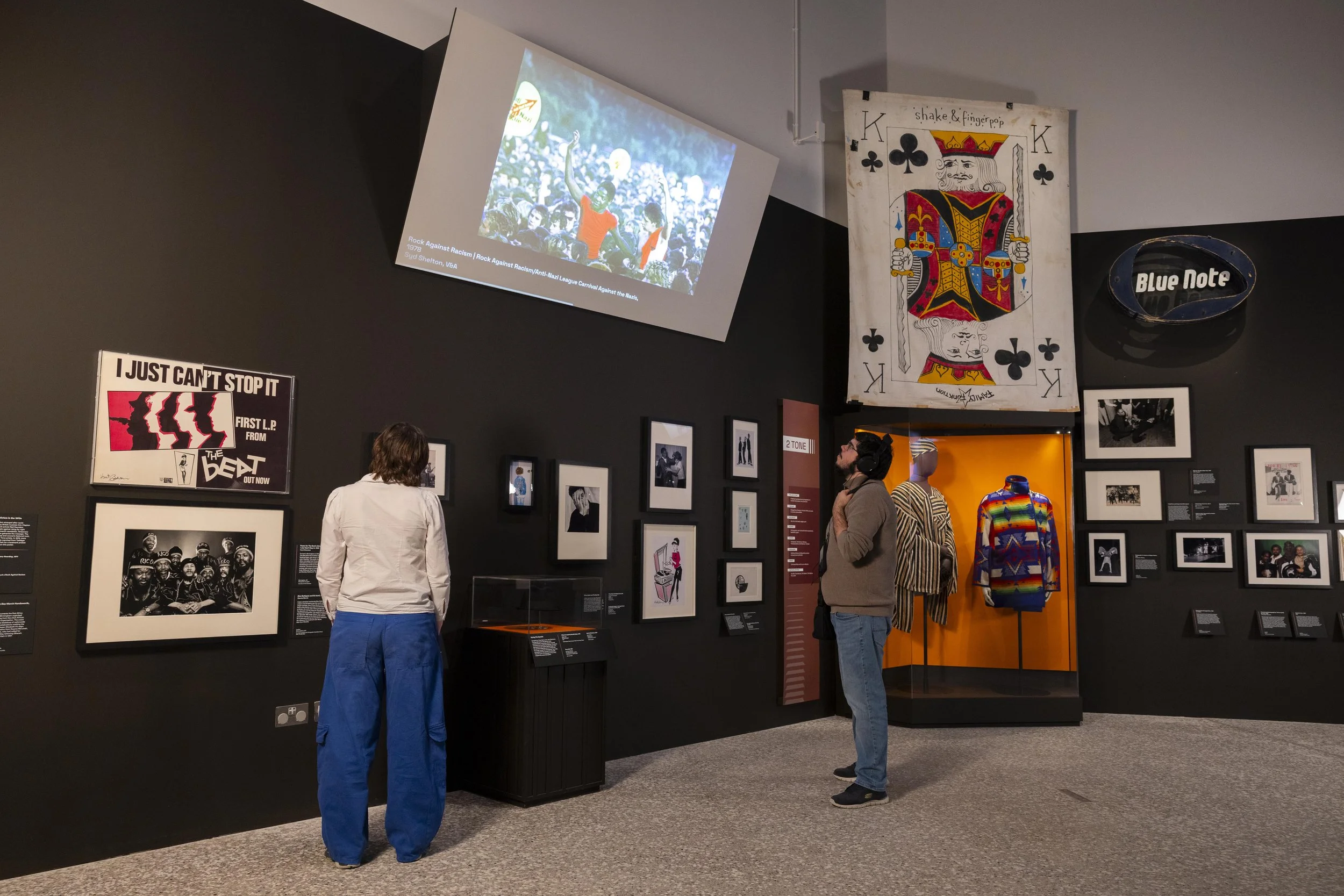
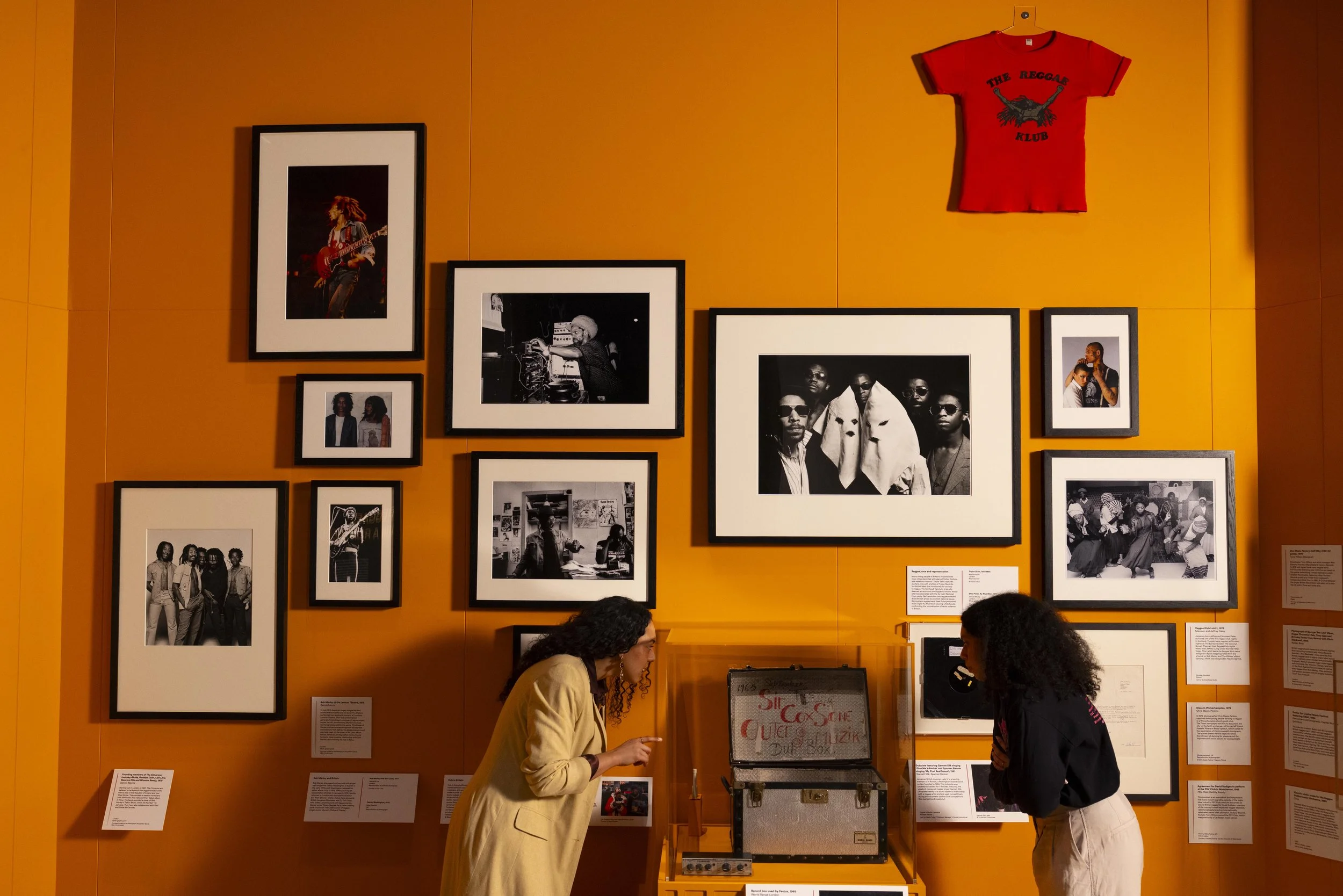

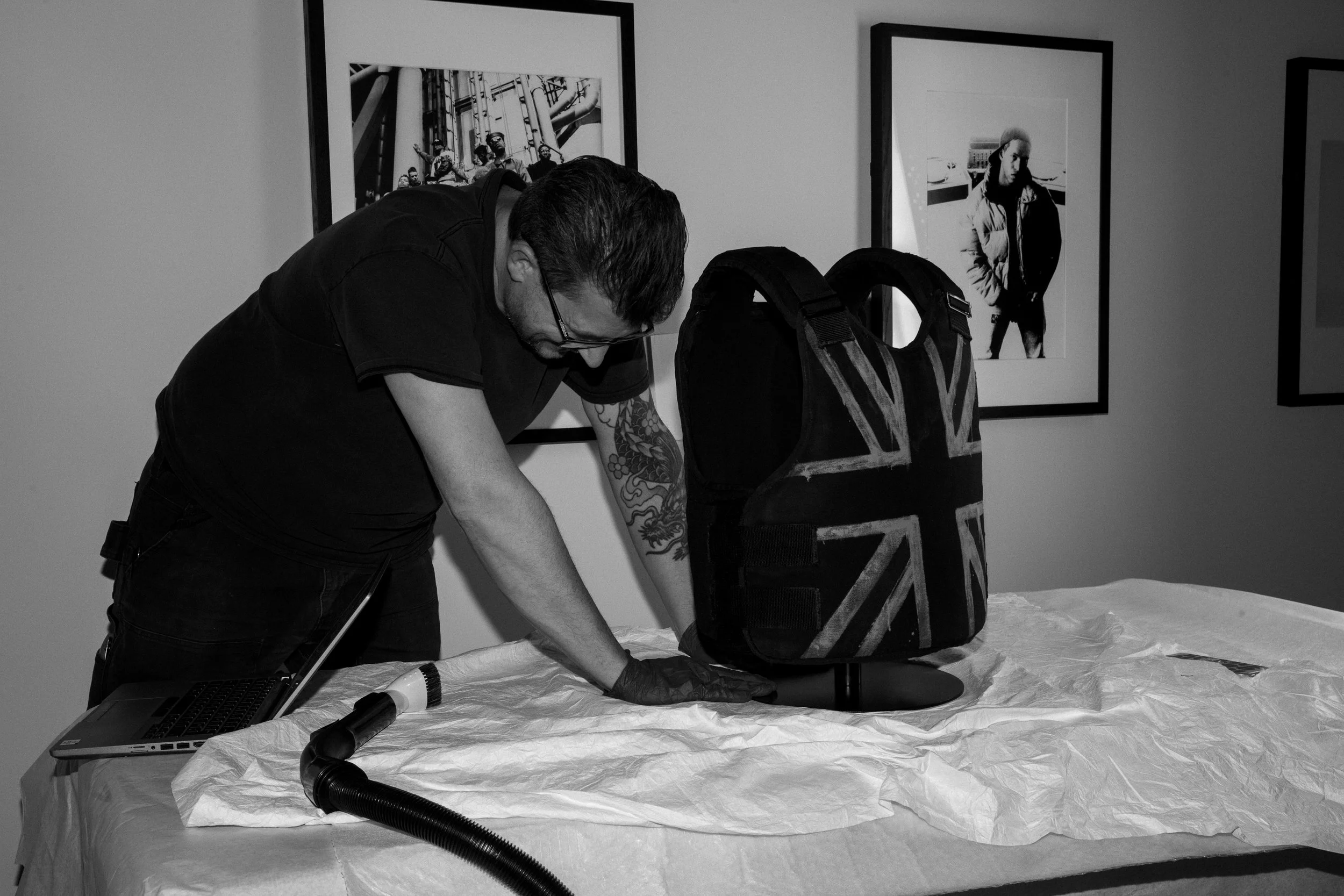

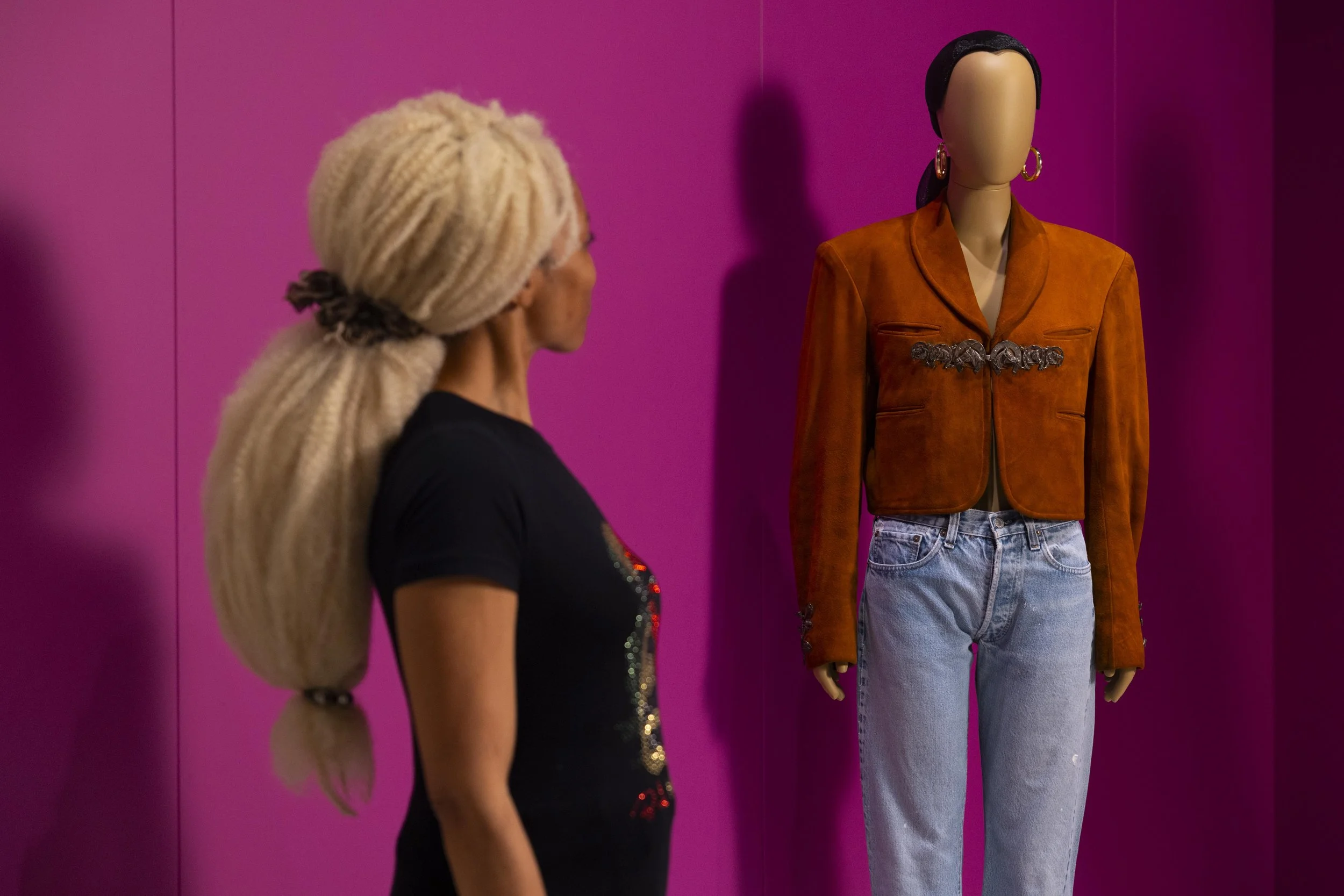
Throughout the experience, parallels are consistently drawn between the past and the present, portraying an evolutionary process. One corner of the exhibition even goes as far as to compare drill rapper V9's signature anonymising mask to traditional African masks. However, as the exhibition's only nod to the genre, simply placing an image of an African mask beside V9's mask doesn't quite represent the depth and complexity of drill's history.
Other genres fare differently. A special display of a baton and a custom bow alongside one another—belonging to conductor and educator Shirley J. Thompson and founder of Chineke! Foundation Chi-chi Nwanoku respectively—highlights Black British classical music and the institutional accolades born from it.
Artworks by powerhouses such as Dame Sonia Boyce, Sir Frank Bowling and George Fowokan Kelly tie audio and visual creativity together. Boyce's "Lover's Rock" is a tactile reminder of the genre, embracing Susan Cadogan's song "Hurts So Good" as a nod to the house parties where it was often played.
Hung side-by-side, Tam Joseph's "Spirit of Carnival" and Olayinka Burney-Nicol's "Goboi Devil Dancer" lean into the hybridity of time and location; they both speak to the pre-colonial and diasporic ties that Notting Hill Carnival integrates through the use of traditional dance and costume. Such thoughtful displays ground the exhibition in a constant reminder that Black British art as we know it now isn't simply a sudden apparition, but a deeply rooted and evolving story.
However, given that the exhibition's span reaches 2025, it does little justice to a year that truly showcased the diversity and depth of the current UK music scene. The resurgence of girl bands through groups like FLO, the rise of the UK underground led by the likes of afrosurrealist and Ceebo, and works by artists like Cato would have been welcome features.
While we can't expect the exhibition to keep pace with a musical landscape that's constantly evolving, it leaves some notable gaps beyond the Black British mainstream of the past 15 to 20 years. Milestone moments like Jim Legxacy's Black British Music (2025) being nominated for three BRIT awards, and British Vogue labelling Rachel Chinouriri's Little House EP as "the indie pop renaissance", prove that there is far more to celebrate in the Black British contemporary.
Although 2-tone, jungle and trip-hop are given well-deserved space, genres like Afroswing are entirely omitted. And I couldn't help but question why Rita Ora—despite the controversy surrounding her racial identity—is included in the exploration of drum and bass for her song "Hot Right Now", while living legends like Linett Kamala, one of the very first female DJs at Notting Hill Carnival, are missing.
Ultimately, the exhibition's attempt to commemorate the work of musicians over the last two decades pales in comparison to the detailed attention afforded to other sections. The majority of the recognition is found in the concluding video which hurriedly labels musicians like PinkPantheress, Dave and Central Cee as this generation's "modernists".
More alternative artists like Lancey Foux, Blood Orange, Sade Olutola and Ojerime as further examples of diverse contemporary sounds are absent, despite careers that span the last decade.
“Sometimes we need to make sure that history doesn’t get rewritten, revised or forgotten… If we don’t define what’s going on now, people won’t know the work that was put in way back when.”
However, The Music is Black: A British Story is ultimately true to its title and promise. It provides a narrative that largely displays the rich, complex history of this vast cultural identity, from the early stages of its development in Africa to the culture that we have come to know today.
It brings together components of art and music, and presents it to an audience who probably weren't even conceived when Shirley Bassey sang "Goldfinger", or thought Jme's Nintendo origin story was an urban legend. In that, V&A East achieves its mission: making sure that the lineage between past and present isn't lost on the very people now shaping what comes next.
Yet the question still remains: in 125 years, which of our musicians, artists and fashion icons will be remembered? Can we expect to see magazine covers from The Culture Crypt, Complex and TRENCH arranged artfully on a wall? Will FLO's outfits be given their own place of regard? Are props from Natanya's "Candyland"video or artworks by LAUZZA going to be encased in glass boxes? As history continues to be made in the present, The Music is Black: A British Story challenges us to ponder how our own stories will be told.
The Music is Black: A British Story will remain open at V&A East until January 2027.