

Inside The Bizarre, But Beautiful Bubble of Afro Nation
The Portuguese resort town of Portimão—once again—becomes the centre point of the Black diaspora for Afro Nation 2026.
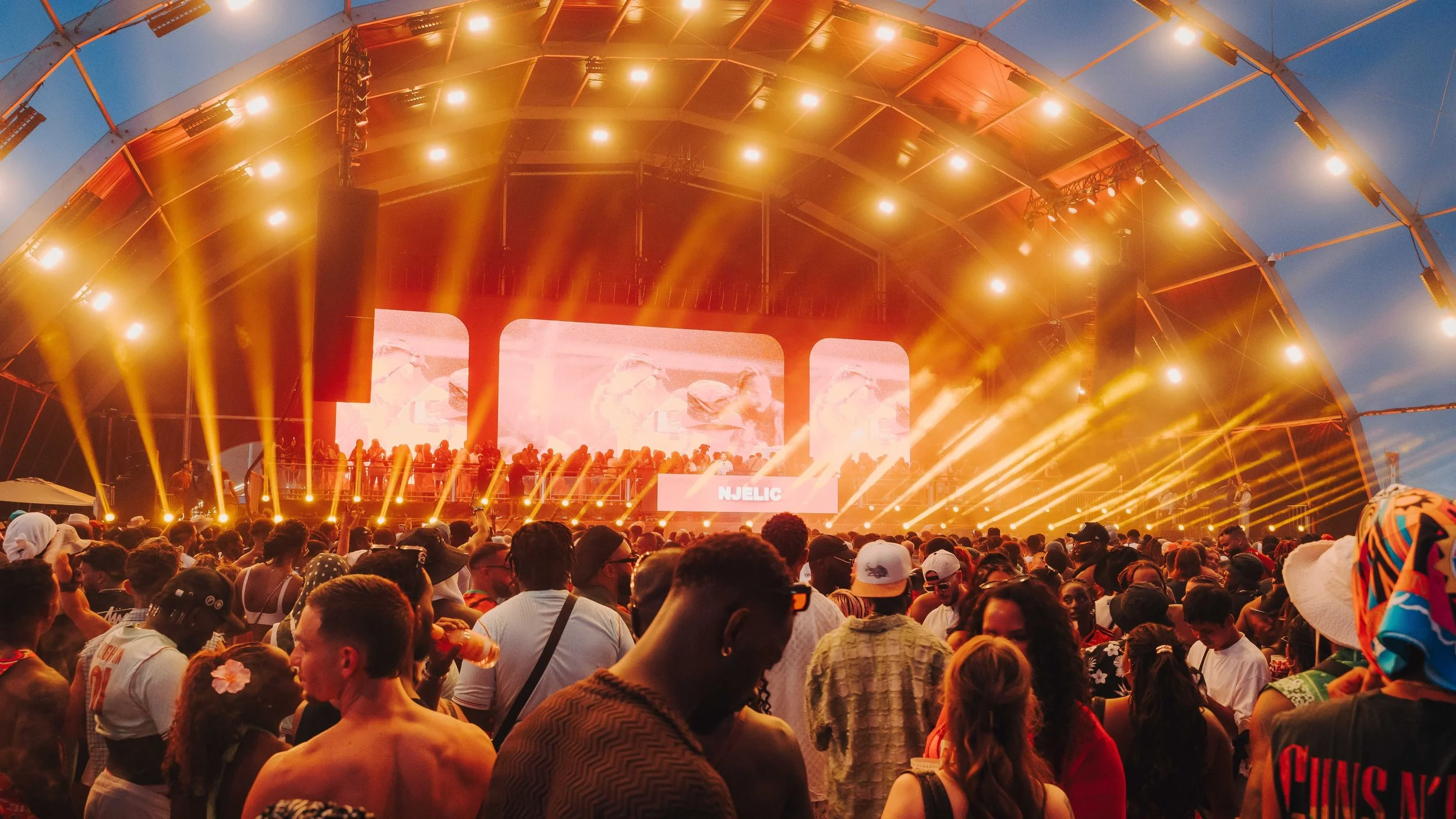
Afro Nation 2026 in Portimão. Image property of Cyril CTN.
For a few days each summer, it feels as though every Black person under 35 in Europe has descended on Portimão. Waist beads glint above bikini bottoms, football shirts swallow sweltering bodies in the sand and the same songs ricochet from car speakers, hotel balconies and portable sound systems across the Portuguese resort town.
Even miles from Praia da Rocha—where the towering Afro Nation stages await—it is obvious who is here for the festival. The Algarve is usually sold as a destination for beaches, golf resorts and family holidays. However, during the three-day annual Afro Nation event, the area’s population seems to shift around a very different kind of tourism.
Since launching in the Algarve in 2019, Afro Nation has grown from a new fixture in the festival calendar into one of the biggest celebrations of Afrobeats and its diasporic cousins. Its editions have since travelled to Accra, Miami and Detroit, but Portugal remains its flagship: an annual pilgrimage that brings together thousands of people from across Britain, Europe, Africa, the Caribbean and the US. The line-up is a major part of that draw, but the festival has become notable for something broader.
That experience begins long before the festival gates. From the moment you land in Faro, the incoming crowd is impossible to miss. At the airport, on transfers into Portimão and around the hotels, the same combination of football shirts, barely-there outfits, fresh hairstyles, sunglasses and holiday luggage keeps appearing.
“The Havana Club party folds naturally into Afro Nation’s wider rhythm, extending the festival atmosphere into another corner of the sun-soaked weekend experience.”
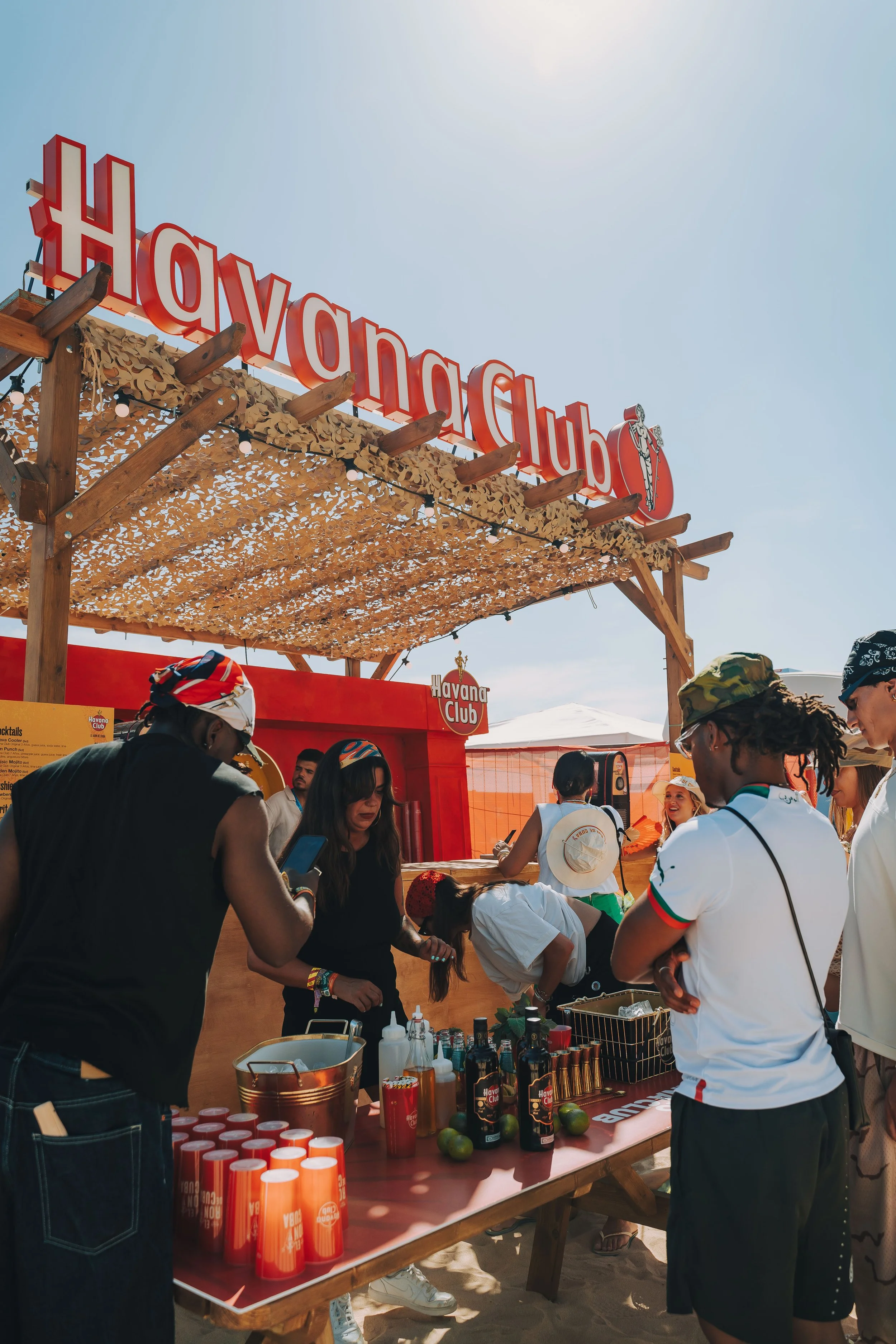
The festival's orbit stretches well beyond Praia da Rocha, with pool parties, beachside events and boat parties turning the surrounding area into an extension of the main site. At a Havana Club pool party, red and yellow branding rises above a crowd gathered around the water as DJs soundtrack an afternoon of dancing, drinking and catching up with friends.
The setting is as important as the music: people move between the pool, the bar and the surrounding cabanas, with the kind of constant circulation that makes it difficult to tell where one event ends and the next begins. The Havana Club party folds naturally into Afro Nation's wider rhythm, extending the festival atmosphere into another corner of the sun-soaked weekend experience.
Still, OVMBR swept me away. I ended up on the music collective/event brand's boat, where the soundtrack moved between dancehall, Afrobeats, R&B and hip-hop as we travelled around the marina and along the water near the festival site.
Dancers squeezed between tables while the Portuguese coastline passed in the background, and the distinction between sightseeing and partying quickly disappeared. By this point, the festival itself almost felt secondary: wherever the crowd went, Afro Nation seemed to follow.
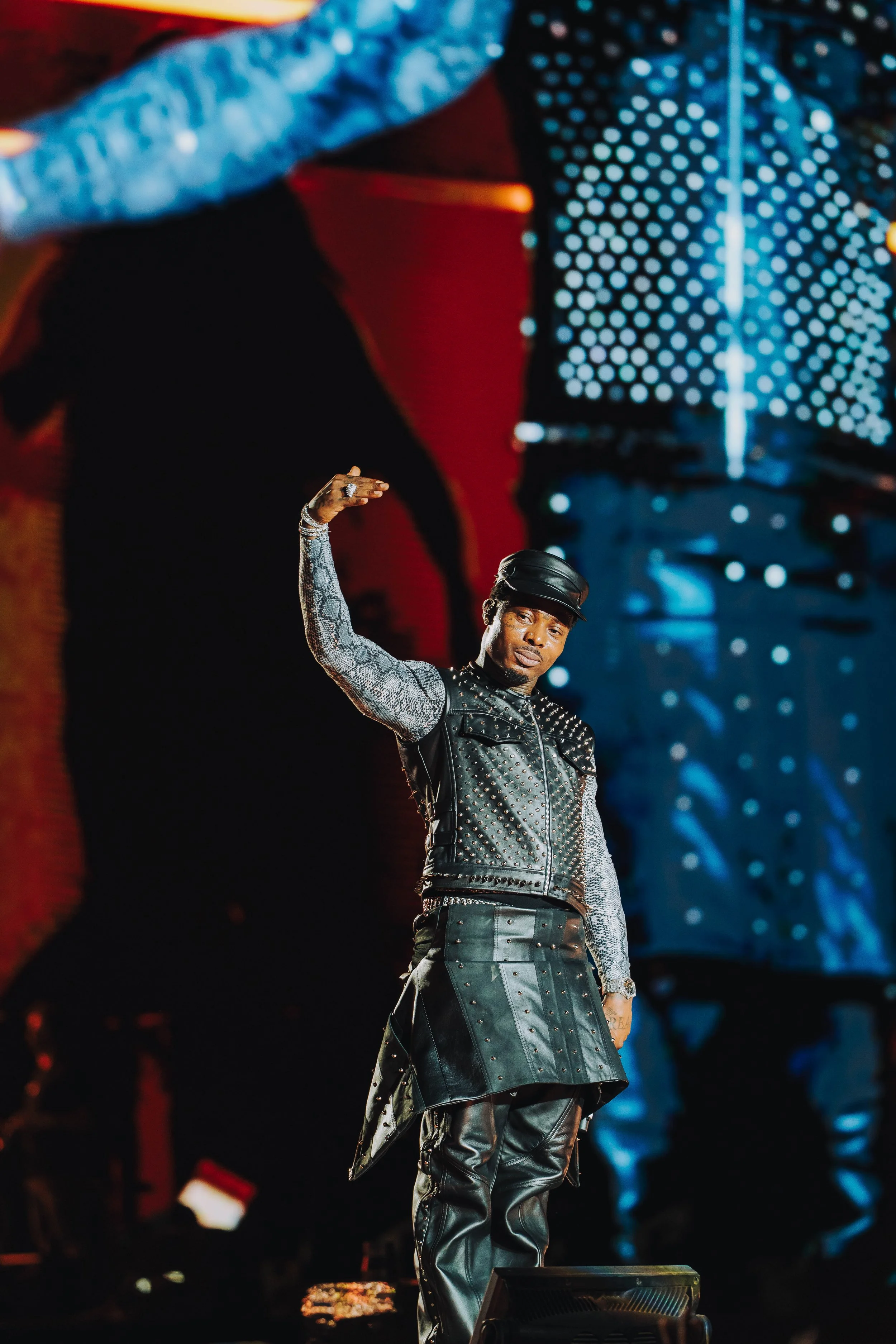
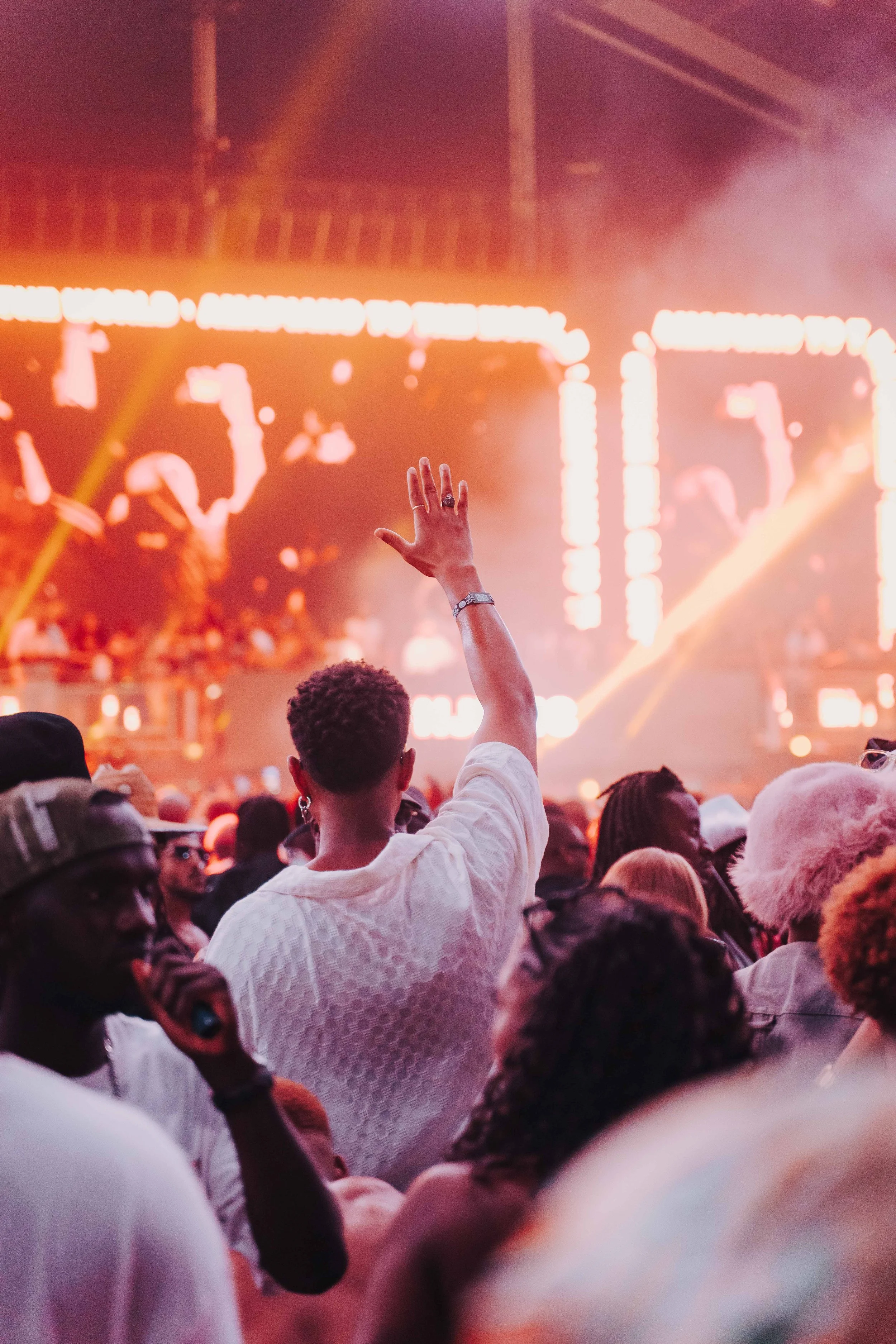
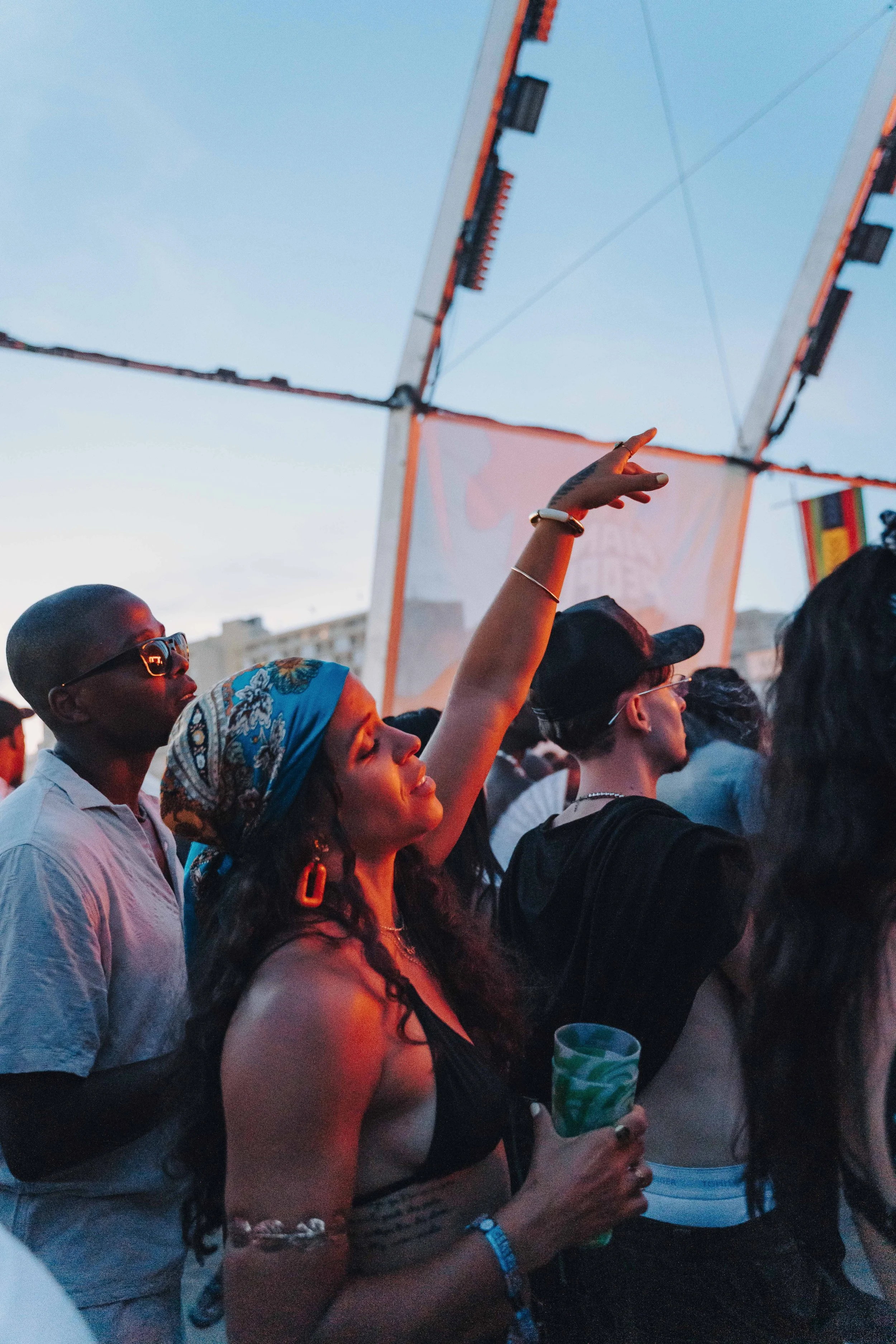
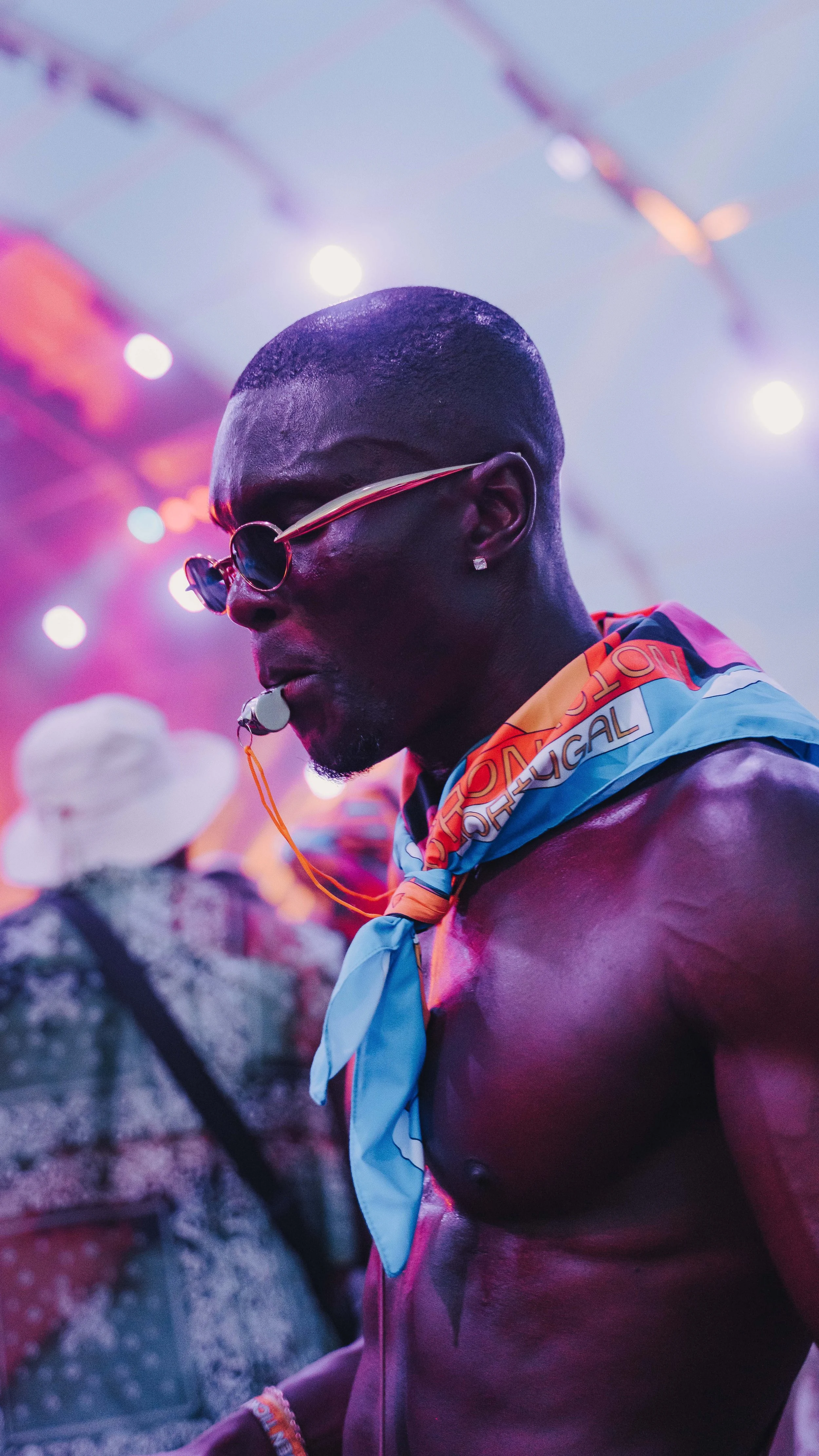
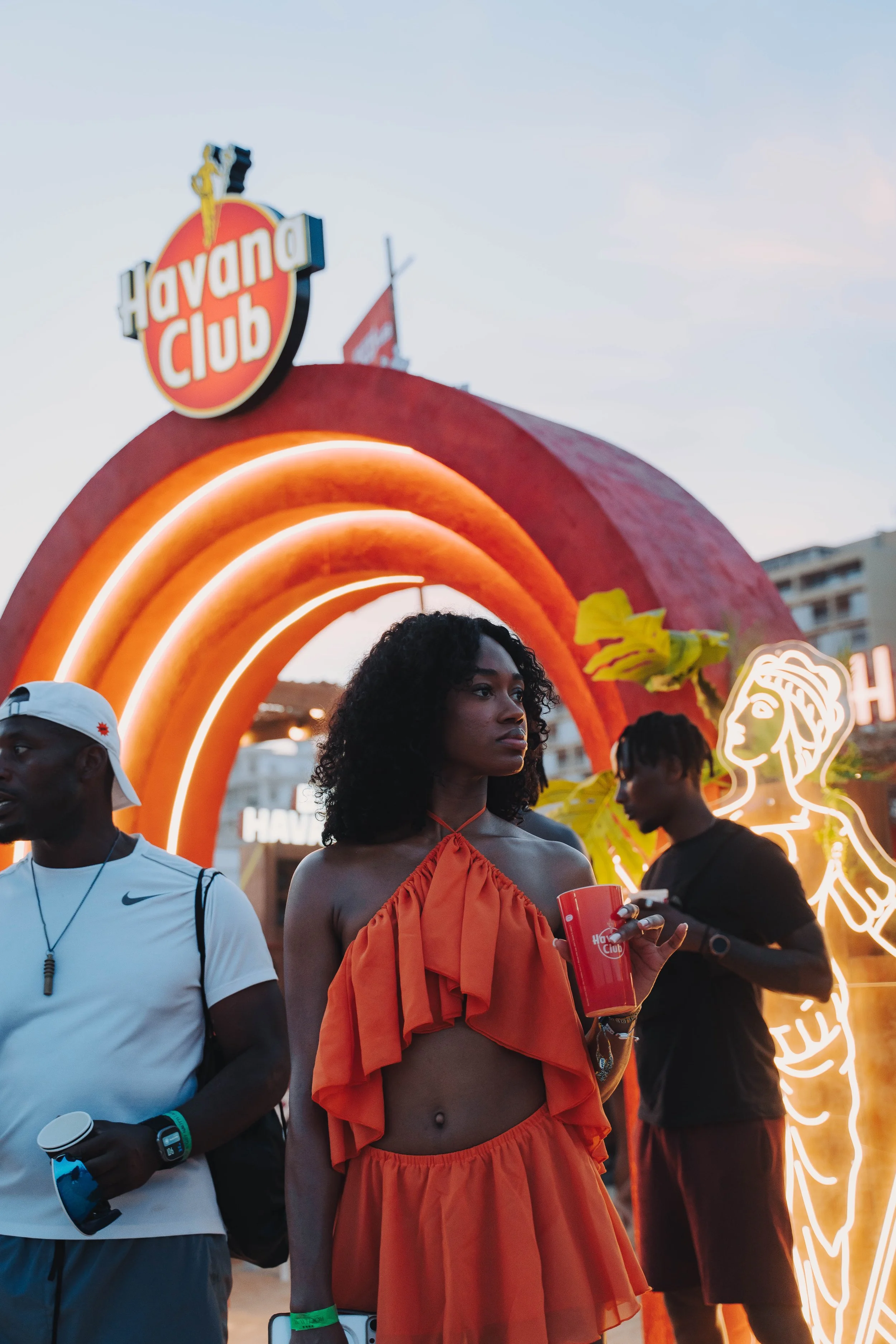
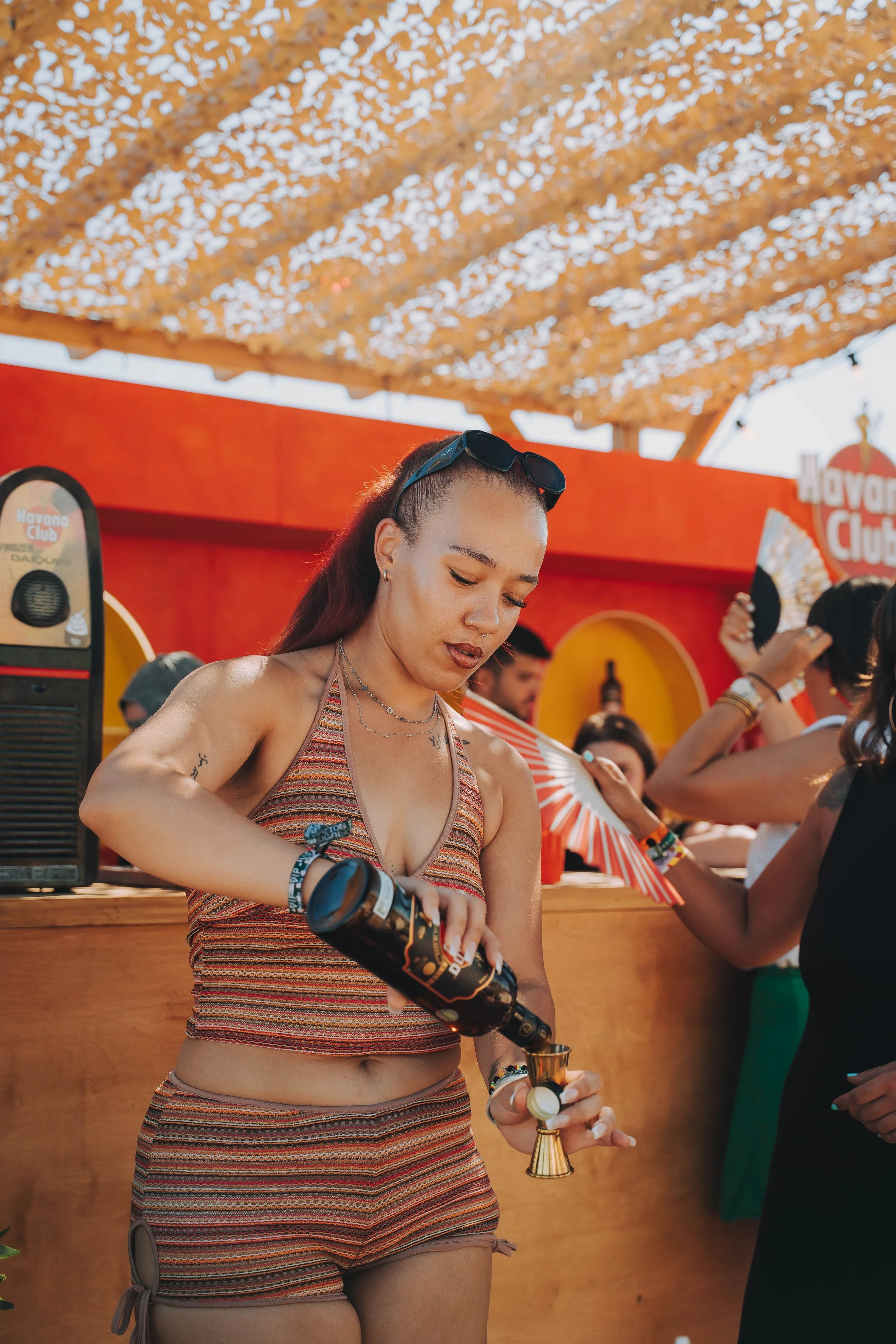
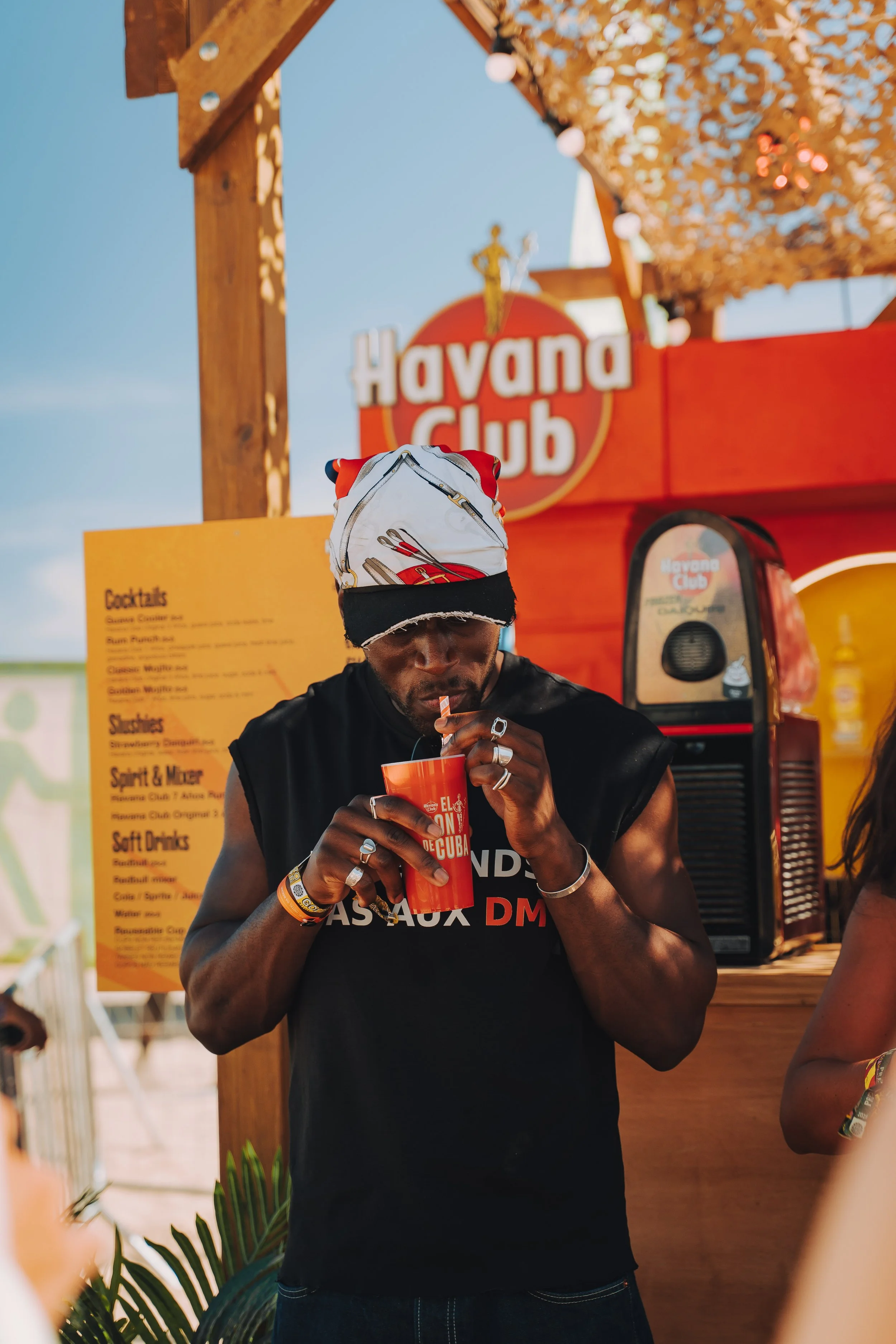
Portimão begins to resemble a temporary Black British nightlife district transplanted onto the Algarve, with London accents mixing with French, Portuguese, American and African voices. The same songs heard at home suddenly sound different when they are playing beside the Atlantic, while genres that are often separated by geography or scene sit comfortably alongside one another.
Havana Club fits into that wider ecosystem through its presence across the festival experience. Its Barrio gives people another place to gather, with DJ sets, cocktails and the brand's Golden Mojito offering a change of pace from the main stages. After a day moving between parties, the beach and the festival site, the Barrio becomes a natural meeting point before heading back into the crowd.
And that's ultimately what separates Afro Nation from a conventional music festival. The line-up is obviously central (Asake, Burna Boy, Tyla); these are all big-draw artists with devoted fans ready to cross the seven seas to see them. But while a strong bill can get people to buy a ticket, Afro Nation gives you plenty of reasons to come back. The pool parties, boat parties, beach, outfits, hotels, restaurants and late-night plans all become part of the same experience.
There's something wonderfully bizarre about being inside that bubble. For three days, Black music becomes the organising principle of the entire weekend, shaping the stages, late-night bookings and conversations around the artists people have travelled to see. The wider world feels strangely distant from this stretch of Portuguese coastline, replaced by a hyper-social diasporic summer camp where everyone seems to recognise the same references and understand why they have travelled thousands of miles to be there.
It's almost like a spoken code: everyone understands the hype when a log drum rolls in, or when dancers start to snap their fingers and Bacardi down the runway. Languages and dialects don't have to be diluted or hidden out of shame. It's a harmonious link-up where Blackness doesn't need to be force-fed or argued for. As the grainy sand burns the soles of your feet, you don't have to explain anything.
By the time the final performances finish at Praia da Rocha, the experience has stretched far beyond what happens onstage. The parties before the festival, the boat hosted by OVMBR, the afternoons by the seaside, the Barrio, the people met along the way, and the videos that will circulate afterwards have all become part of the memory. And that's Afro Nation's magic: we all stepped into a world that has been built around Black music and culture, knowing that for a few days, it was just ours to be.
Stay up to date with Afro Nation on socials here.