David Jonsson Boldly Pushes 'Wasteman' Into Must-See Territory
We examine filmmaker Cal McMau's most recent jail-set feature, unpacking his actual work in prison reform and connecting the film's visual inspiration to the gritty British dramas of the 1970s.
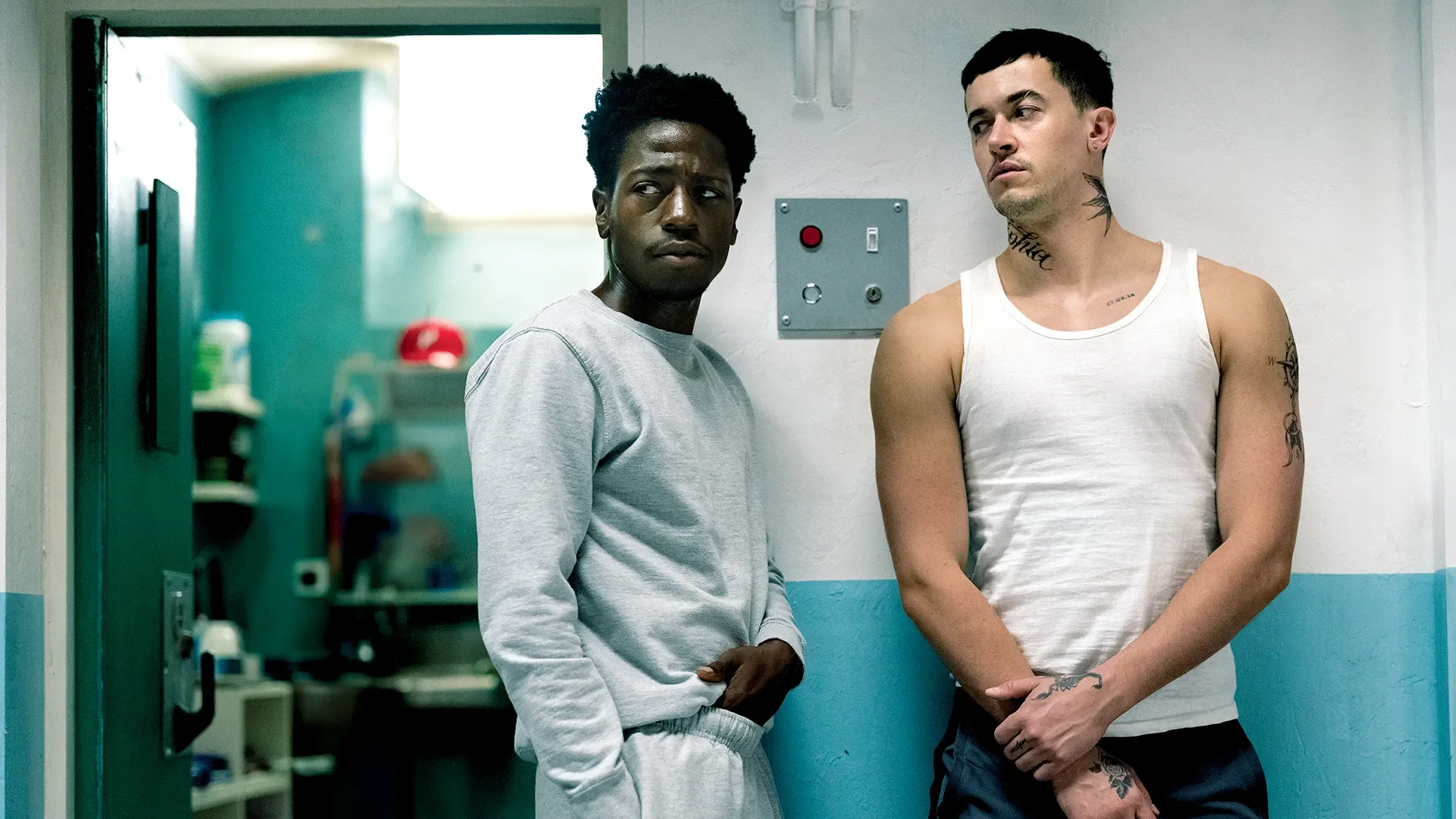
Still from Wasteman. Image property of Lionsgate.
Screened in a limited capacity at the tail end of 2025, ahead of its 2026 release, Wasteman—written and directed by Cal McMau—is a tense, gritty British prison drama that explores the psychological strain of incarceration, using its confined setting to highlight themes of power, survival, betrayal and moral compromise.
Filmed over 18 days at Shepton Mallet Prison (as well as a studio in Enfield), the film drops the viewer straight into the thick of it. Narratively, the film follows Taylor (portrayed by David Jonsson), a pensive and substance-dependent inmate who realises he is eligible for parole. All he must do is stay out of trouble. However, his new cellmate, Dee (Tom Blyth), has psychologically nefarious plans for him.
McMau told Switchback (a nonprofit he worked closely with) that the idea for the drama first struck him around 10 years ago, after seeing prison footage secretly recorded by inmates on smuggled phones. His work with the nonprofit also helped shape much of the film's authentic portrayal of life behind bars.
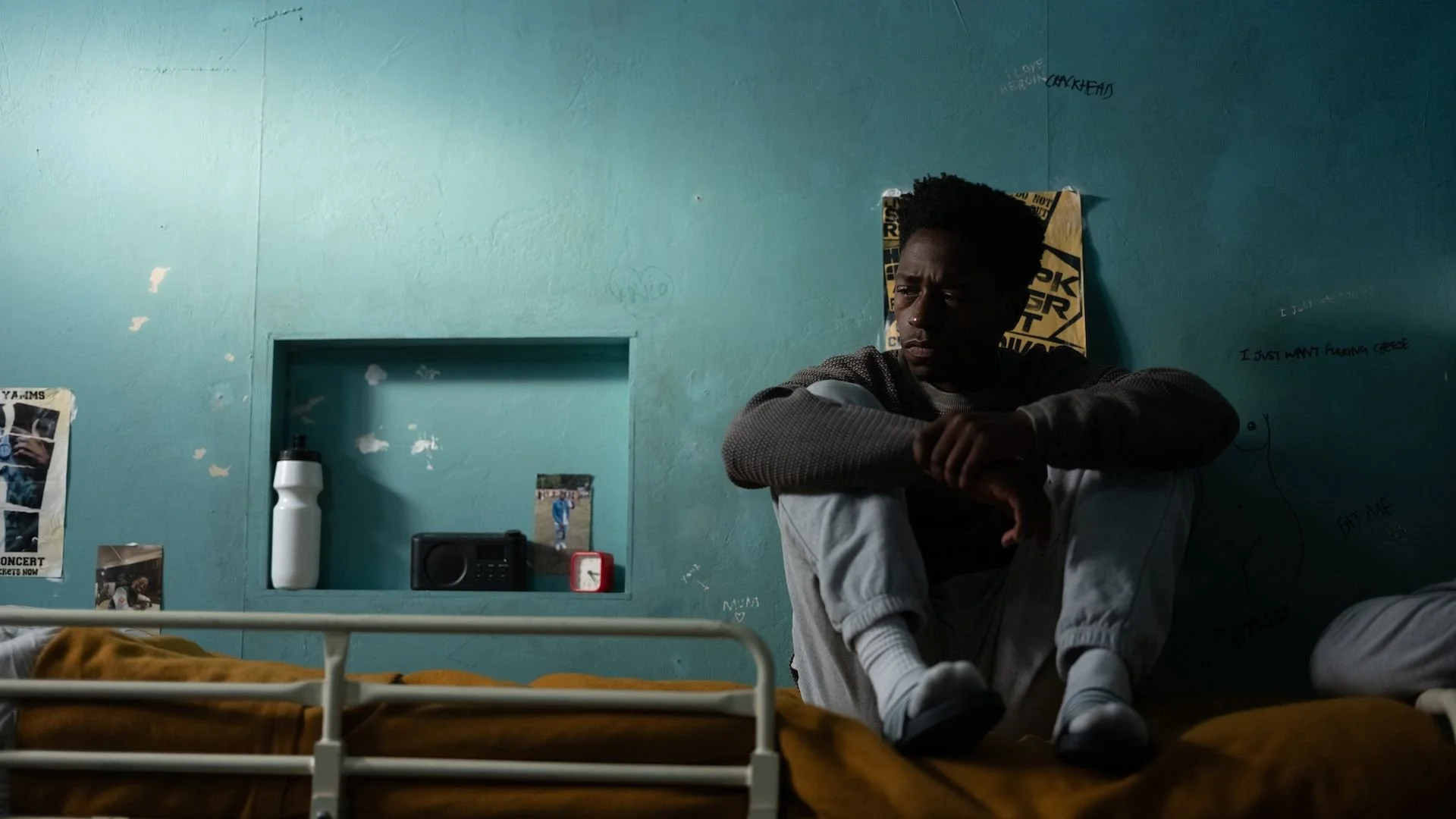
This organisation helps young men find a way out of the justice system and build stable lives they can be proud of. That same commitment to authenticity carries into Wasteman, with former prisoners contributing insights that ground the film in lived experience. McMau even enlisted an ex-prisoner as an authenticity guide—ensuring the details of prison life feel as real as possible.
Reflecting on his decade of research, McMau noted in his aforementioned interview with Switchback how the system largely just shows that "prison isn't working," with little real benefit: a perspective that bleeds into every frame. There's a lo-fi, almost weathered quality to the visuals—indicative of the film's tone. With a limited cast, the camera lingers, giving space for character motivations to breathe and unravel. Be warned, though, the film is immeasurably bleak—with a visceral, grey swamp of a tone that may be off-putting to some.
Blyth's character, in particular, is framed with a moral ambiguity that resists easy categorisation. Truthfully, he's not an outright villain. Still, his callous mean streak as a narrative hurdle is tempered by unstable emotions that oscillate between a sympathetic ally and a tormented soul. His volatility plays out against Jonsson's lead, who becomes both a psychological and physical outlet for Blyth's character to exact prison code and warped morals onto.
Visually, the film riffs on the institutional textures of 1970s prison television shows like Porridge and Colditz, as well as films like 1979's Scum, leaning into the stark, unrelenting darkness of the latter. The colour palette features cool blues and charcoal-tinted shadows, employing a stark, almost documentary-like approach to lighting and framing. Throughout the film's 90-minute runtime, the camera focuses on the characters' eyes, the sweat beading off their distressed foreheads and often frames action and conflict with DIY or fly-on-the-wall cinematography.
“As expected from McMau’s social-first and research-heavy background in prisons, Wasteman suggests that incarceration doesn’t truly rehabilitate people. It exemplifies how a series of wrong turns and chance events can erode one’s morality and sense of self, particularly in young individuals.”
This theme reflects ongoing discussions about how young people often find themselves trapped in a cycle of violence and crime following their first sentence. While the film does not provide an easy solution, its purpose as a cautionary tale—along with its commitment to presenting a grounded reality—holds up a mirror to the challenging issue of prison reform.
Following 2023's romantic comedy, Rye Lane, 2024's creature-led space romp Alien: Romulus and 2025's terse horror flick The Long Walk—Wasteman is another stellar addition to David Jonsson's impressive acting résumé. He delivers a layered and studious performance that keeps the viewer engaged from start to finish.
Our only critique is that the movie could have been 10 minutes longer to flesh out motivations further. Jonsson's son drives the story forward, but we learn so little about him that our emotional investment comes more from the horrors of the prison than from the real-life forces motivating Jonsson's character. However, this is more of a minor point in an otherwise masterfully directed British film.
Watch Wasteman on the BFI Player here.