

'Dubplate Drama' at 20: Revisiting the Cult Series That Captured Grime's First Wave
Forget doomscrolling, this grime melodrama had viewers texting plot beats to progress the story.
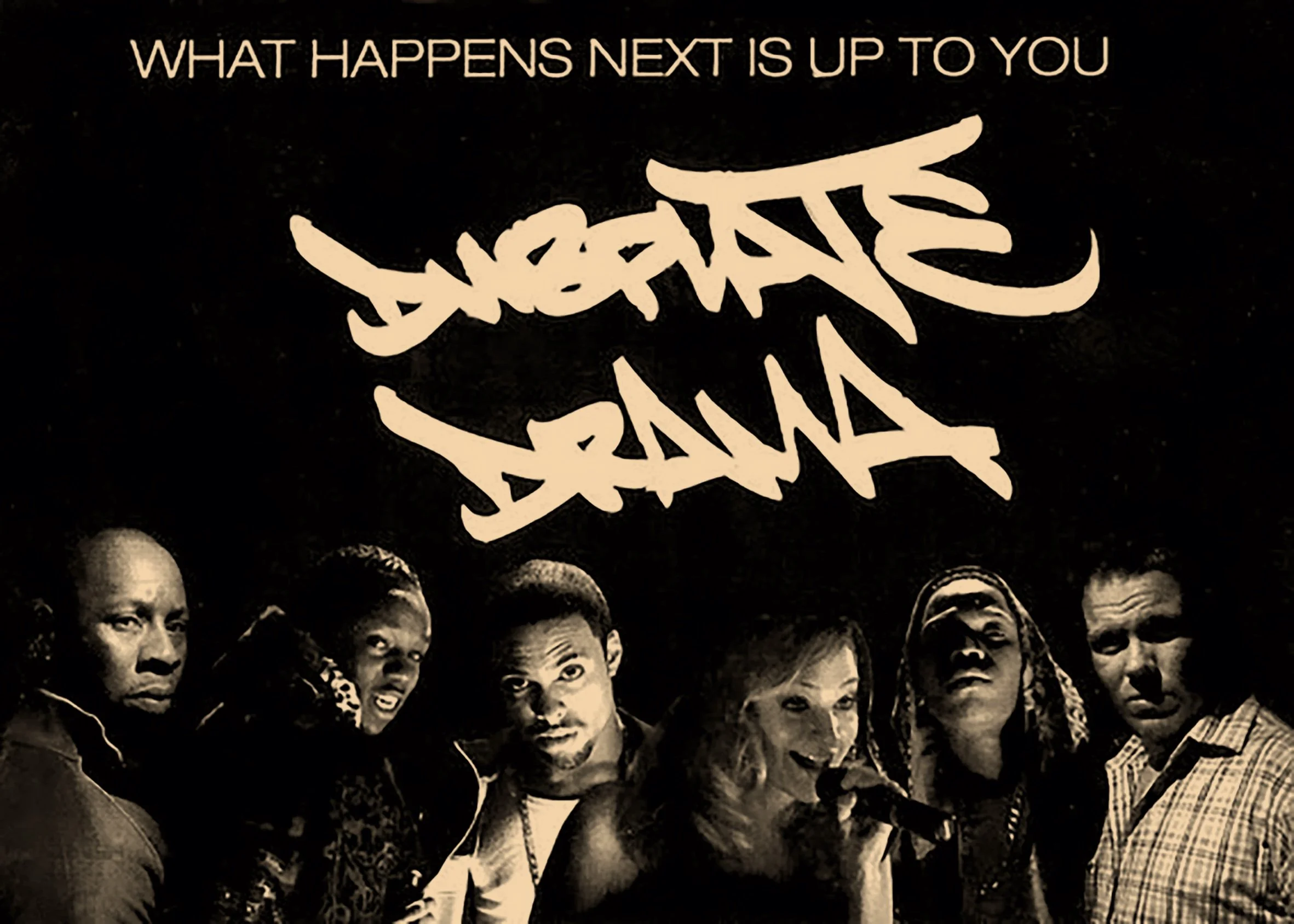
2009 series poster. Image property of Channel 4.
In 2005, Luke Hyams, a music enthusiast and youth worker in his early 20s, was writing a script for a film in his bedroom called Dubplate Pressure. After spending time with Megaman of So Solid Crew, documenting his adventures and shooting music videos that would often appear on Channel U—including Southside Allstars' "Southside Riddim". Hyams had hit a block and wasn't sure what direction to take the film in.
There were all of these incredible and unique stories and events he had been told about and experienced himself, and he wanted to depict them in a way that felt authentic and relatable. So Dubplate Pressure became Dubplate Drama. The movie script morphed into a television series, and the cogs really started to turn.
Following her 2004 debut LP Diamond in the Dirt, a young Chanel "Shystie" Calí was cast as Dionne, aka D. She had gained attention following her appearance on a local pirate radio station for both shelling it and ending up in a dangerous situation that had nothing to do with her, related to the station being taken off-air.
There are a lot of turbulent and concerning times in the aftermath of this, but after the station got taken off-air, Dionne meets the manager of another radio station, who offers to support her, propelling her towards performing at a rave, which also features a young Skepta on the mic. The season follows Dionne's efforts and the trials she faces in pursuit of her dreams across family, love and more.
The show's first season was recently screened at East London's Rich Mix cinema last month to celebrate its 20th anniversary, followed by a panel featuring writer and director Luke Hyams and some of the cast, including Shystie, J2K (Jason Black), Rodney P of London Posse, Daniel Parmar, whose house was also used for filming and the crew during the show, Abdul Salis and Ricci Harnett. The discussion was hosted by Shay Mula—rapper, DJ, event producer and youth mentor.

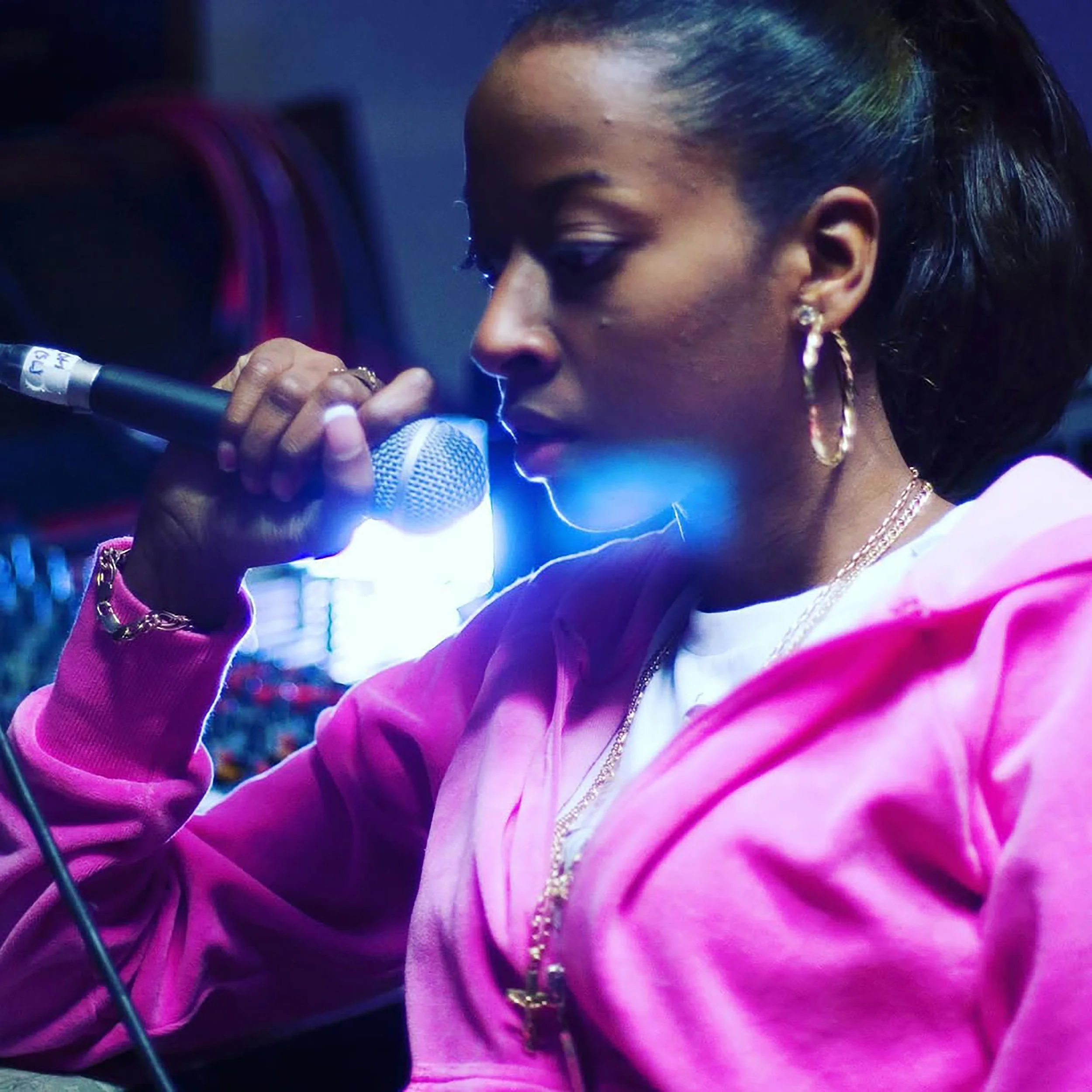
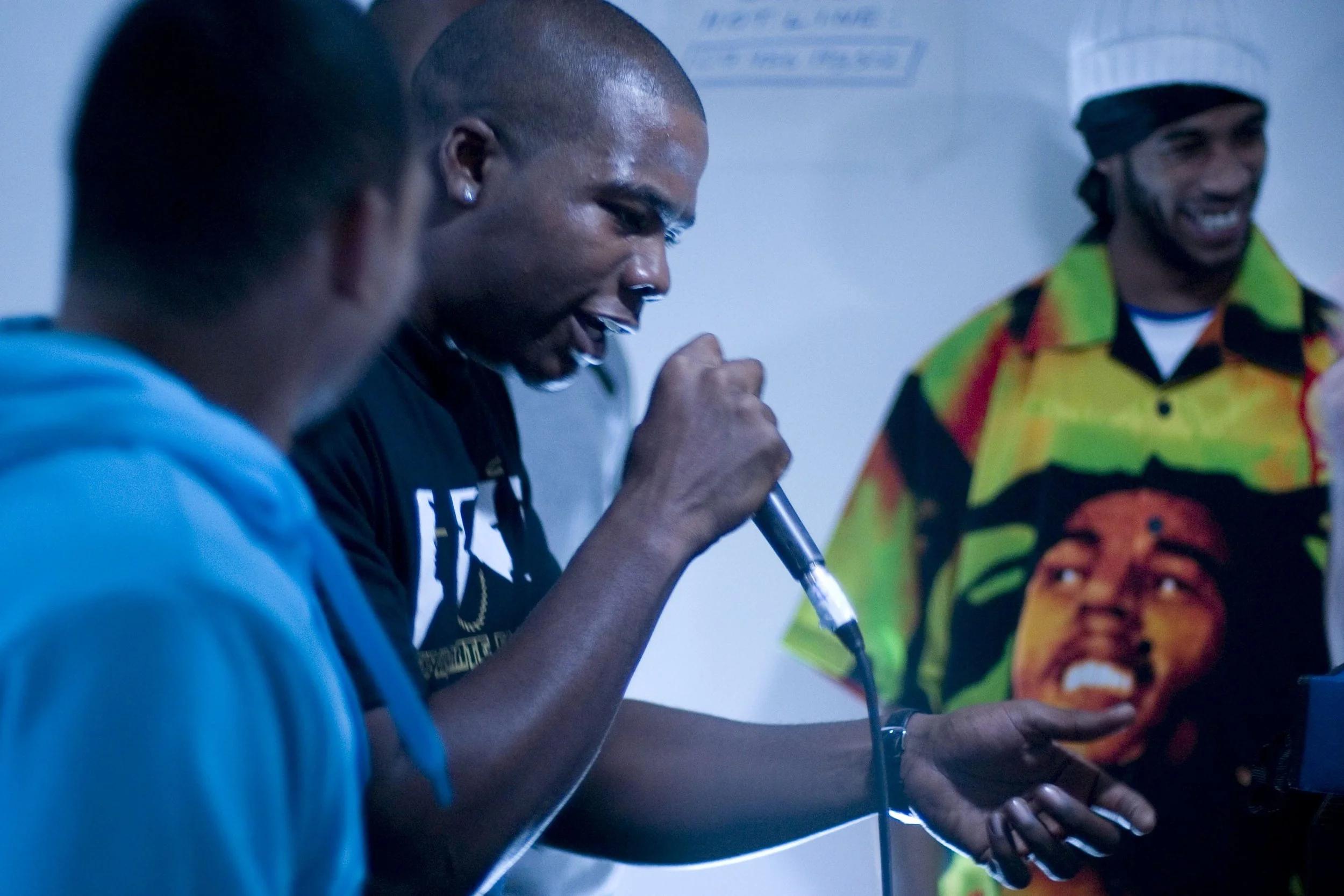

In the audience, alongside fans of the show, were some of the producers and crew, journalists and archivists such as Hyperfrank, Niall Smith and Sik Frydas, as well as many great artists. But a section of the crowd that stood out in particular was the young people—emerging emcees and producers themselves who were rapping along to the iconic bars and throwing up gunfingers whenever an emcee they recognised appeared on-screen. It was genuinely heartwarming and a reminder that grime still speaks to the youth today in the same way it did at its inception.
Throughout the screening of the first season, everyone was reminded of grime's beginnings: the style people had, the slang they spoke, the way emcees sounded and the resourcefulness of a culture and movement that wasn't being embraced outside of the people building it. Characters like Prangers, a radio station manager introduced in the first episode, fixing aerials on rooftops, takes inspiration from Rinse FM's early days, while the raves being organised reflect the challenges artists and promoters faced with venues and the police.
What is also really cool is how Dubplate Drama captures UK hip-hop, garage, grime and dubstep all existing in the same space, immortalised in both the series and the soundtracks that accompanied it. In the first season alone, Nolay and Skinnyman are emceeing in a pub on a karaoke mic. We also see Ms. Dynamite and Akala appear alongside each other at a performance, a young Jammer, and many more legends gracing the screen: moments that sparked cheers and applause from the audience.
What made Dubplate Drama stand out even more was its interactive feature. One of the godfathers of UK hip-hop, Rodney P, would appear at the end of each episode asking viewers to choose A or B—inviting them to vote by text (and reminding them to ask the bill payer's permission first... remember that?).
The choice determined alternative endings, with the highest vote deciding which episode would air. It was a completely unique selling point at the time, something only previously seen in a Casualty and Holby City crossover episode earlier that year. The format encouraged audience involvement and allowed young viewers to take part in decision-making around themes that often reflected their own inner worlds and lived experiences.
The series really acts as a time capsule. If you want to point to the people shaping music and culture at the time, putting on an episode of Dubplate Drama is a great place to start. Throughout the show, there were so many important roles and cameos of creatives just starting to make a name for themselves who are now the artists, producers and actors that we consider iconic.
These were the people Hyams wanted to spotlight from the very beginning, and in doing so, he showed his sharp eye for generational talent. His mission was to shine a light on the music he loved and the communities it spoke to, many of whom rarely had the opportunity to appear on television or in film. Shystie also shared during the panel that for many of the cast, it was their first time acting, and that Dionne wasn't far removed from her own life at the time, giving her a chance to explore another creative outlet. The show itself was a real labour of love. Despite how groundbreaking it was, it wasn't financially viable, but it opened many doors for the emcees featured, carrying the same DIY energy that grime was born from.
After struggling to secure funding, the producers continued reaching out to companies and eventually received support from E4, MTV and PlayStation. With Sony keen to embed its then-new PSP handheld console into youth culture, advertisements were placed before the show in exchange for production support. Episodes were even available for download on MySpace and mobile phones—technologically of their time and reflective of what young people were engaging with in the 2000s.
“They originally pitched the show to me like it was going to be my version of ‘Moesha’, but it was nothing like that. In the end, it wasn’t hard going from music to acting, because I’d been memorising lines for music videos. I’m so proud of the series.”
Alongside this, NSPCC's Childline worked with Hyams and Livity, a youth marketing agency and non-profit involved in Dubplate Drama, which focused on accurately representing and highlighting the issues faced by young people from inner-city areas.
Dubplate Drama was truly the first show of its kind, depicting a generation and giving them the chance to see themselves reflected on the screen. Also, the series gained popularity on early YouTube, showcasing behind-the-scenes clips and a collection of exclusive 'B-Sides', including behind-the-scenes tidbits and interviews. Over the years, the archival efforts for the series have varied in terms of streaming platforms and HD broadcasts. Still, most of the show is available in 480p glory on YouTube. Higher-quality DVD releases and the show's CD mixtapes have since become sought-after collector's items.
Dubplate Drama is a groundbreaking series that aired 20 episodes over four years, concluding in 2009, just before the smartphone boom. It has since achieved cult classic status, and although no series quite like it has emerged since its debut, a reboot would certainly be welcomed with open arms.
Watch Dubplate Drama here.