

namesbliss: Finding Peace in the Unknown
Following the release of his second album, where's bliss?, we sit down with Kilburn rapper namesbliss to discuss creative growth, his ADHD and learning to feel at home in uncertainty.
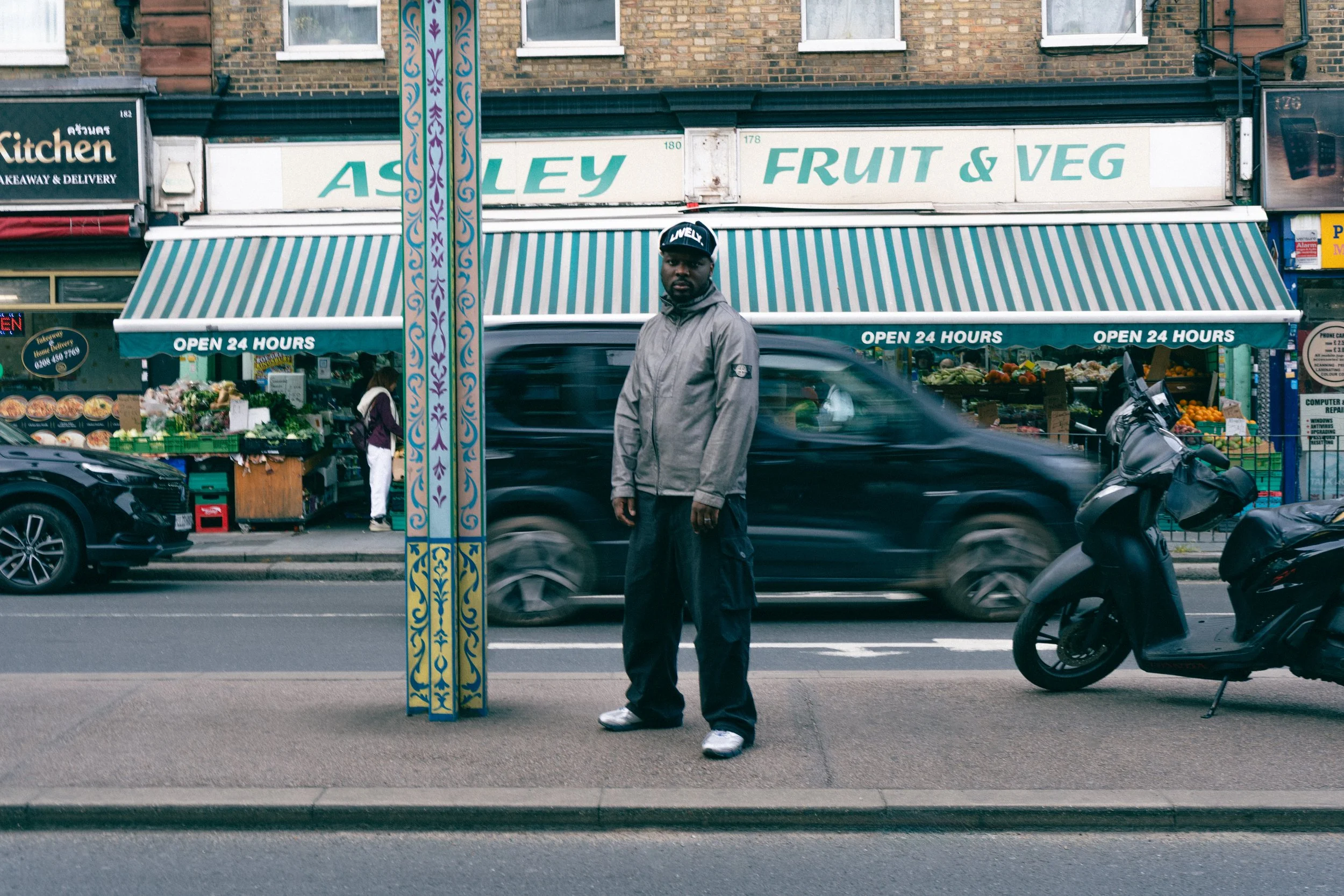
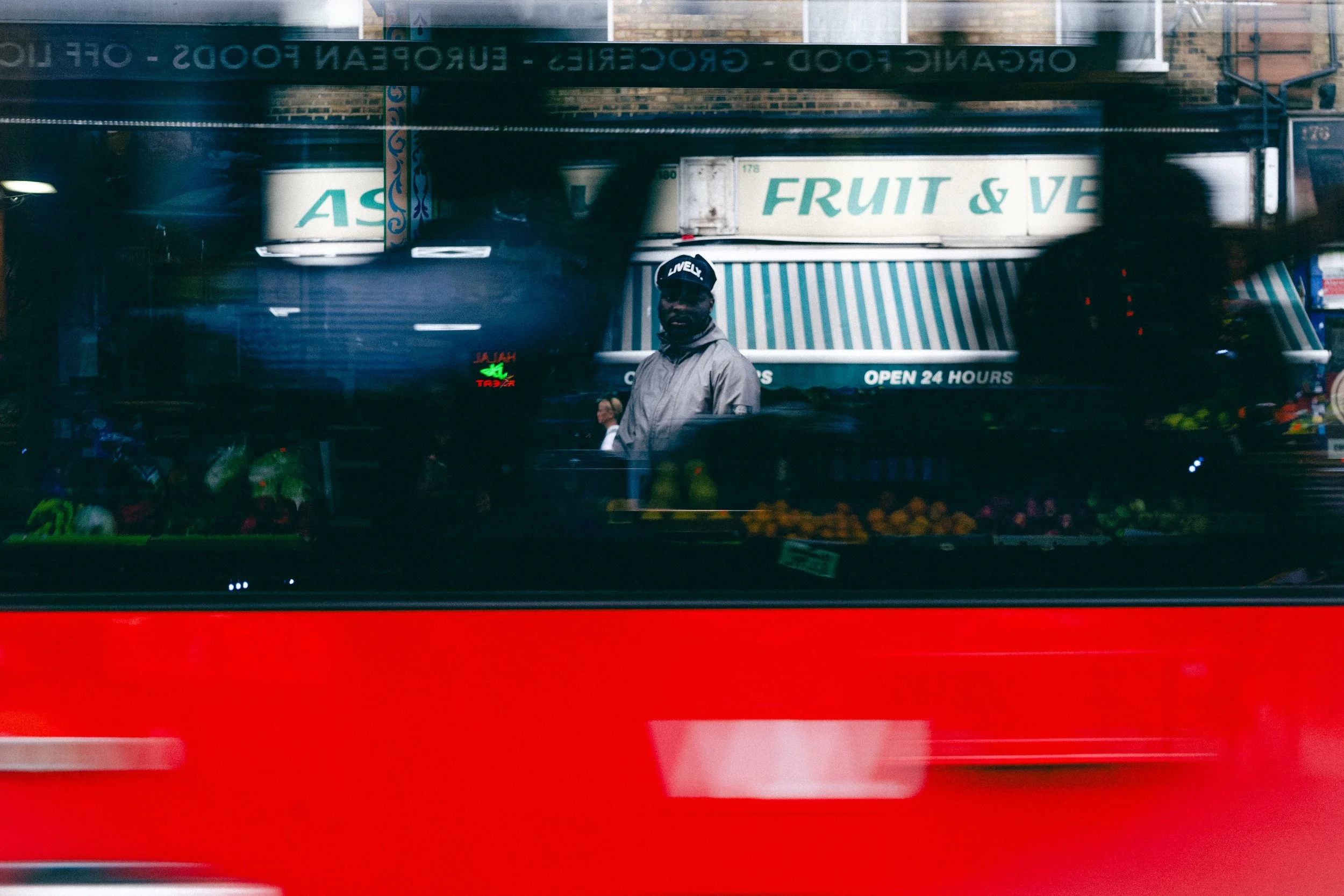
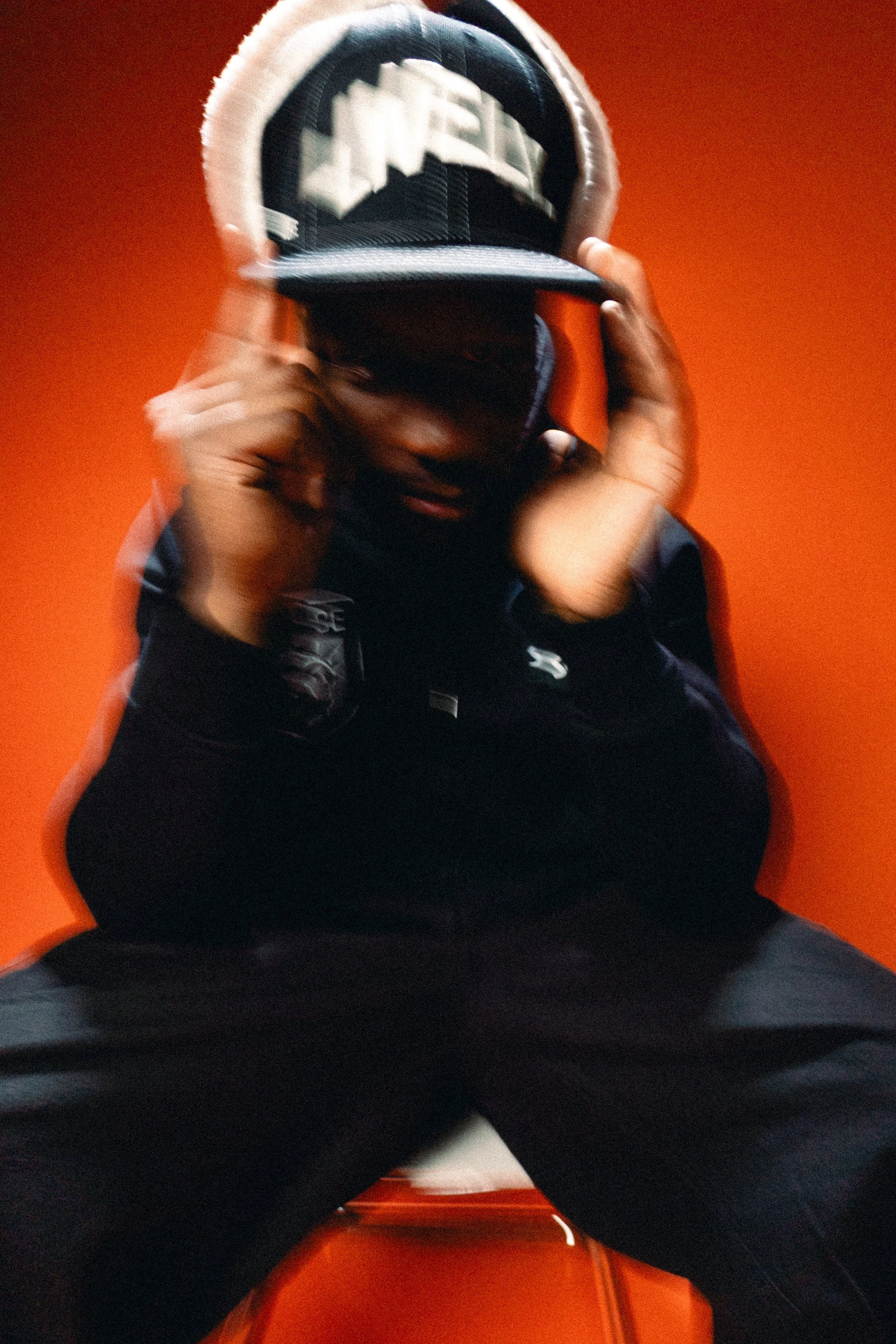
namesbliss in 2026. Image property of Elizabeth Lenthall.
There is a moment at the end of where's bliss? when namesbliss stops searching for a neat answer. Across the album, the Kilburn native moves between lively, chest-out confidence and the quieter questions that arrive when the crowd disappears. By its final track, he is no longer trying to convince himself that every sacrifice has been worth it. Instead, he lets the uncertainty sit.
That tension has always been present in namesbliss' music. His 2024 debut album, Lively Experience, introduced a sound he describes as neo-grime and jazz-rap: sharp flows placed against warm instrumentation, with enough personality to make reflection feel as immediate as a reload-worthy bar. Its breakout track "Iniesta Flow" pushed namesbliss towards a wider audience and helped establish the loyal community now found across his shows.
Two years later, where's bliss? expands that world across 13 tracks. Most of the record was built in-person with producers including t.o, Parkland, Vagrant and scruz. "Nervous System" opens with voice notes from fans asking the album's central question. Elsewhere, "Midas Touch" captures him at his most playful while "Careful", featuring Claudia Isaki, brings two distinct styles into the same emotional space. The result feels more expansive without losing the conversational ease that first drew listeners towards his music.
A MOBO nomination and sold-out London headline shows at the 100 Club and Scala have turned earlier doubts into proof, particularly for a father who once feared where rap could lead his son. Yet success has created a new pressure: delivering for the listeners who backed him early without allowing their expectations to reshape the connection.
Speaking with The Culture Crypt, namesbliss reflects on becoming more compassionate towards his younger self, the classroom experience that helped build his stage presence and why where's bliss? is comfortable enough to leave its biggest question unresolved.
The Culture Crypt: You've described your sound as a meeting point between grime and jazz but it's become something unmistakably yours. Looking back at Lively Experience, how do you think you’ve evolved sonically and creatively on where's bliss?
namesbliss: "Looking back, I can see that I've done a lot more live instrumentation. With Lively Experience, I was very specific about the instruments I used. On where's bliss?, I've built on that sound.
A lot of the beats were built from scratch with the producers. I would say half of Lively Experience was done online and half was done in-person. With where's bliss?, maybe all of it was done in sessions. The producers and I sat down and built the beats together.
On the intro, 'Nervous System', I got the fans to send voice notes saying, 'where's bliss?' 200 people sent them in. I sifted through every one, sent them to my engineer and we mixed them into the intro. I've been more honest on this project. Lyrically, it's stronger and the production is grander and more cinematic, particularly on the intro and outro. But it's still unmistakably me."
This album feels like your most introspective project yet. Was there a moment during the writing process when you realised you needed to be more honest with yourself than ever before?
"It was when [producer] Dylan Hingston produced 'Nervous System'. When I heard the instrumentation, I was so moved. I thought the quality was so high that whatever I wrote on it had to be honest and really capture where I was.
There was also pressure because Lively Experience gave me a fan base. With where's bliss?, I needed to deliver to them. They might be telling people, 'This namesbliss guy is cold,' so I need to give them something they can get behind. That pressure and the level of instrumentation made me feel like I had to show out and be truthful on this project."
"ADHD" is one of the album's most personal records. How did revisiting those experiences change the way you viewed that chapter of your life?
"It made me kinder to myself. Before, I had this mentality that I was the bad youth, then I found faith and became a good man. I don't see it like that anymore. I see it as: I've been me the whole time. As I understood more about ADHD and the way I'm wired, I understood myself more. I learnt how to thrive and be more effective as a human. It's less about thinking I was bad before and more about understanding myself now, so I can navigate the world in a better way."
You also spent time working in education. Did being in the classroom shape the way you perform?
"Teaching helped me big-time because being at a show is like being a teacher. My stage presence came from that. When you're in a class with young people with ADHD, you have to keep them engaged. When I became a full-time artist, I still had that ability. I learnt it in the trenches with youths who had no focus.
Performing is like exposure therapy. At my first shows, I was nervous and hesitant. Over time, that exposure forced some of it to go. Each time you go on stage and do the hard thing, you rewire your brain."
On "Nervous System", you reflect on your dad's fears about you pursuing rap. What have the sold-out shows and MOBO nomination meant for your relationship?
"It's been massive. When I was younger, it was the early days of grime and there was a lot happening around Kilburn. There were stabbings associated with rap beef and my dad's work exposed him to reports about that violence. Then he heard that my brothers and I wanted to become grime emcees. He was strongly against it because he wanted us to do well. His thing was, 'Read, read and read. Be academic and get a good job.'
I went to the University of Essex, studied English Language and Linguistics and got a 2:1. Later, he came to the first show he had ever seen me perform at the 100 Club. Seeing his face while fans sang the lyrics was big for me. When I told him I had been nominated for a MOBO, he lost it. He sent me a voice note screaming because he was so excited. It showed me that he never wanted to limit my life; he just wanted me to be well. It changed our relationship and allowed me to see him for who he is."
“Before, I had this mentality that I was the bad youth, then I found faith and became a good man. I don’t see it like that anymore. I see it as: I’ve been me the whole time.”
As your audience grows, how do you make sure you create for yourself rather than the expectations that come with success?
"If I don't like it, it's not coming out. I know why my fans like me. I make sounds I genuinely enjoy and my personality comes through clearly in what I say and how I rhyme. If I stopped doing that and allowed things to sway me, I would lose them.
It has taken me longer to get here, but it feels more valuable because I have fans who are connected to me rather than people who are here for a trend. The sound I make isn't the trend right now, it's just what we do. I don't feel pressure to deviate. I feel more motivated to double down."
To bring it back to the album—where's bliss? is both a title and a question. When listeners reach the end, what do you hope stays with them?
"I want people to feel like not knowing is part of the adventure. The process of trying to learn about yourself and what's important to you is fun, but it's uncertain too. I'm asking myself, 'Is this what I wanted? Is all of this worth it?' while knowing deep down that I'm going to continue regardless.
Being happy in that uncertainty is how I want people to feel at the end of where's bliss? You don't have to have all the answers. You can still be ok and have an adventure within not knowing."
Stream where's bliss? below: