

When Passion Wins: How 'Sinners' Broke the Rules of Movie Marketing
What's the most effective way to get people to the cinema? Over the years, film marketing has taken on a lot of forms. If there used to be a specific science to it, social media has blown that completely out of the water. So what works? Let's explore three of the most popular film campaigns of 2025 and why Sinners came out on top.

Illustrative Sinners artwork. Image property of Howie Noel.
The 2025 film scene was dominated by three major blockbusters: Sinners, Marty Supreme and One Battle After Another. In terms of marketing versus sales (or as I call it, butts-in-seats), each of these films had marketing budgets in the $50-80 million range.
Yet, Sinners was the highest-grossing globally, earning $367 million. Marty Supreme (A24's most expensive film) made just under half of that, while One Battle After Another made around $210 million, resulting in a $90 million loss.
So what made Sinners so successful? Its marketing strategy, from its release up to now—after four historical Oscar wins—has been extremely passionate. In fact, almost evangelical. Ryan Coogler and Warner Bros. campaigned for Sinners with full belief in its potential.
The most notable moments include: the game-changing Kodak format breakdown video on aspect ratios, which drove people to the cinema in waves; Ryan Coogler screening the film in Clarksdale (the town Sinners was set in); the cast rocking matching grills at the London Premiere; and the iconic poster, which reimagined Ernie Barnes' renowned 1976 painting, The Sugar Shack.
There's also been endless panel discussions and talks between the cast, crew and Hollywood heavyweights like Christopher Nolan, Denzel Washington, Matt Damon, Viola Davis and Ben Stiller, to name just a few. Industry backing to this extent can't go unnoticed—it increased not only audience appeal, but Hollywood's too.
During and significantly after the film's release, Warner Bros. organised exclusive screenings in major cities, especially London, where they were hosted by Black-led film clubs.
Equally, the film's multiple press runs weren't limited to highbrow industry giants. Ryan Coogler, Ludwig Goransson, Autumn Durald Arkapaw and the cast went where they were welcomed—and connected with smaller, independent publications and platforms, significantly expanding the film's reach.
What's interesting, though, is that despite all of the above, nothing helped Sinners quite like old-fashioned word of mouth—an almost overlooked element of film marketing in our ever-increasingly digital landscape.
The power of word of mouth has heavily expanded through social media and become quite entangled with viral marketing, but in the case of Sinners, it was equal parts in-person and online. This opened the door for so many to connect with the film and its team in ways they never imagined.
While Sinners went all in on authenticity, A24 and Marty Supreme's viral, unconventional campaign felt like it did the opposite. It largely relied on surface-level yet impactful viral gimmicks and celebrity co-signs of the very popular merch jackets, magnifying the film's very minuscule use of orange ping-pong balls.
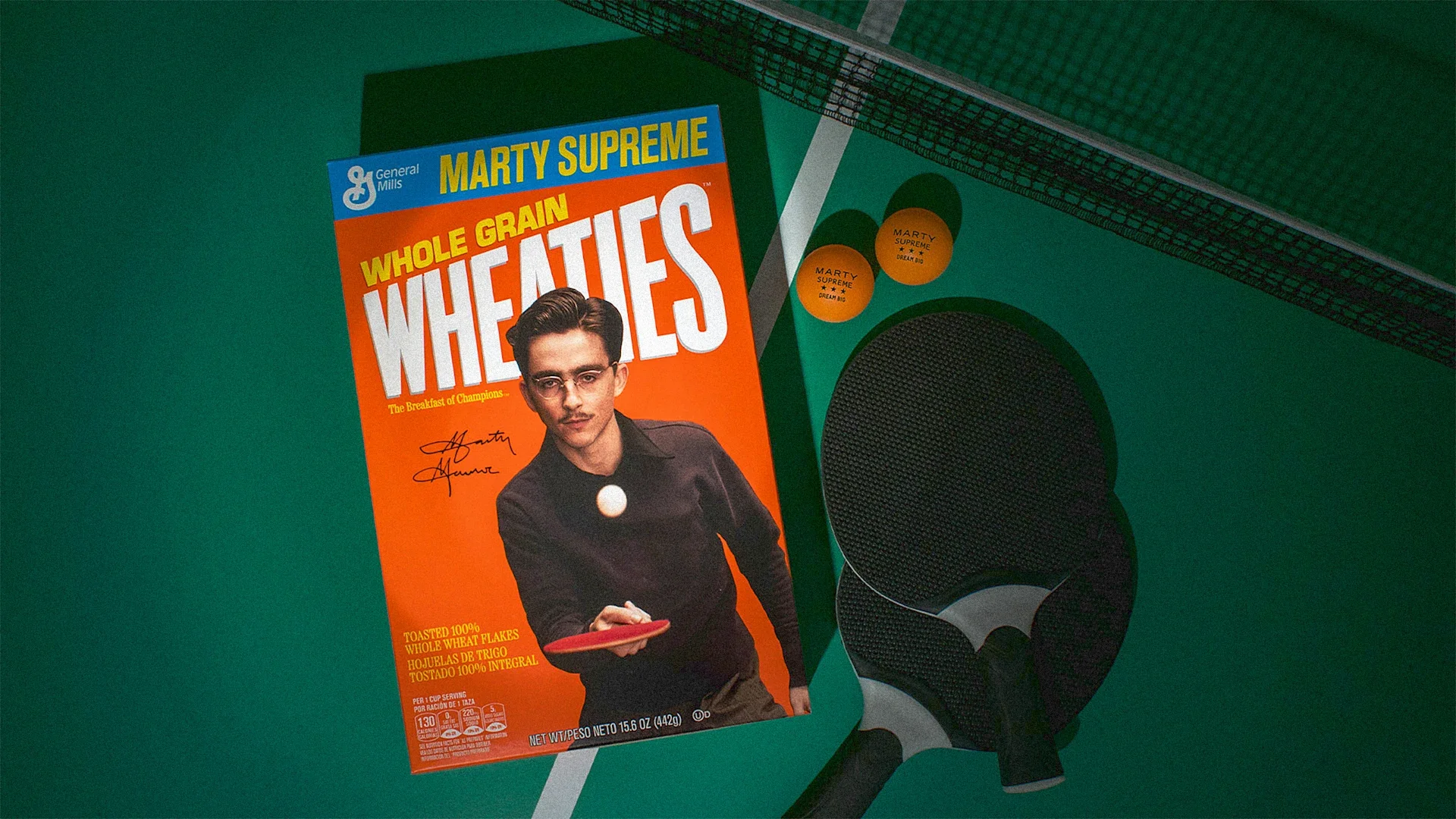
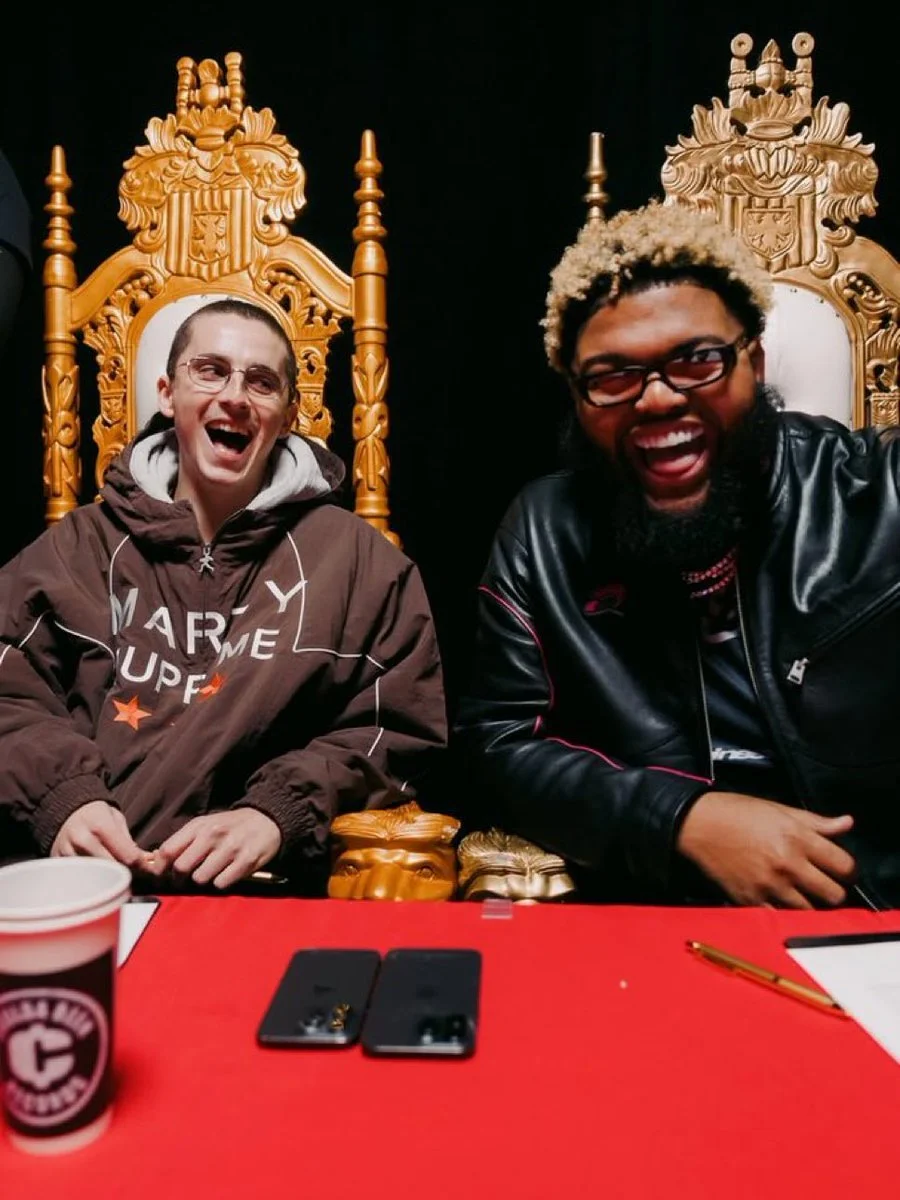
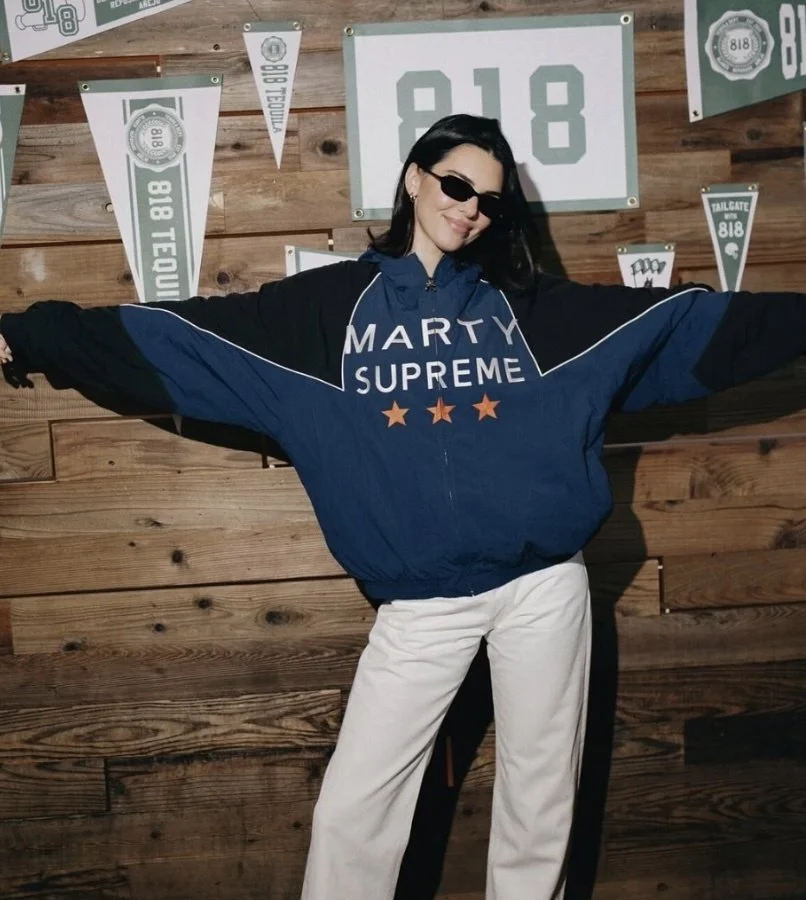
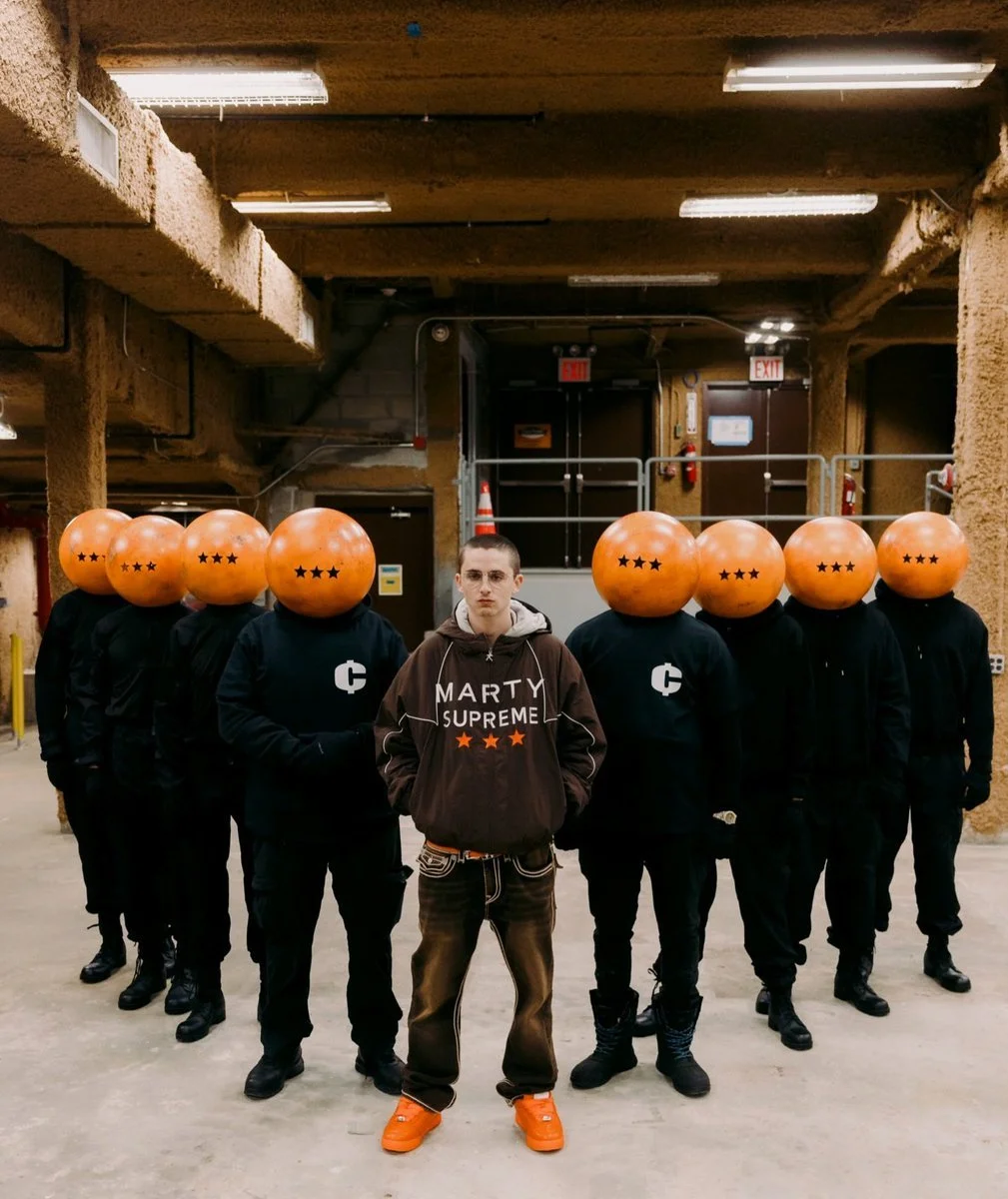
The rollout was met with equal disdain and success. Timothee Chalamet was practically handed the marketing reins. A few panels alongside the main cast. A scene breakdown. An internal brand marketing Zoom meeting. A very orange-red carpet Chrome Hearts look alongside his girlfriend and pop culture icon, Kylie Jenner. A guest appearance on Druski's Coulda Been Records YouTube series. An EsDeeKid feature: a move that disproved viral TikTok theories that Chalamet was doubling as the fast-rising masked UK drill rapper.
Did it get people to the cinema? Absolutely. Did the merch fly off the shelves? Naturally. But did the film truly satisfy its audience and enhance its marketing in a way that complemented its story? Not quite.
As an A24 film, success and visibility were practically guaranteed. The company is known for getting mainstream acclaim for their artsy productions. As a niche film with a superstar lead, they leaned right into the merchandising and the pop culture audience that loves them dearly.
“As we’ve established, ‘Sinners’ didn’t have a significantly higher budget than its peers, but the cast and crew really showed their devotion to the film in authentic ways, and that’s something most films don’t have anymore.”
The strategy appeared to be obnoxious (in line with the film) and everywhere, using Chalamet's reach alongside his celebrity friends' to create allure around the £250 track jackets and full collection of merch (the Marty Wheaties box, mini orange blimps, table tennis equipment and orange tennis, basketball, rugby and golf balls).
Marty Supreme's rollout wasn't as tasteful or enduring as Sinners, nor as restrained as One Battle After Another, but it worked—getting people into cinemas. Chalamet is no stranger to using the internet as his most powerful marketing tool. From mysterious "performance art" videos to riding a Lime bike onto the red carpet, he makes full use of the world's eyes on him (and anything he stars in).
One Battle After Another, however, is a bit of a mystery to many. Despite the very direct exploration of revolutionaries, racism and immigration, the marketing felt practically non-existent despite its tried and true press run.
That ambiguity perhaps reflects its director. Paul Thomas Anderson, despite the breakout success of 1997's Boogie Nights and the Oscar-winning 2007 film There Will Be Blood, has never been a traditional box office draw. He has long been positioned as a postmodern Hollywood auteur, with much of his filmography—Magnolia, Hard Eight, The Master—focused on character studies and thematic deconstruction rather than popcorn action. In that sense, One Battle After Another performing as well as it did is a win. But for all of Leonardo DiCaprio's heavy lifting, the campaign felt unusually restrained, leaving a lot on the table.
It's a curious parallel: a film tackling urgent themes like race and resistance, yet often skimming their surface, especially when compared to the specificity and depth Ryan Coogler brought to Sinners, particularly in its interrogation of Black identity. Still, box office aside, One Battle After Another cleaned up during awards season—arguably a safer, more familiar choice, propelled by a battle-tested star rather than a bold, diverse blockbuster like Sinners or an indie darling on ego steroids like Marty Supreme.
So, what made Sinners sell more? The passion. As we've established, Sinners didn't have a significantly higher budget than its peers, but the cast and crew really showed their devotion to the film in authentic ways, and that's something most films don't have anymore. In many cases, just hearing the team talk about the film stoked something in its viewers, and the consistency of the marketing allowed the film to stay with us all year long.
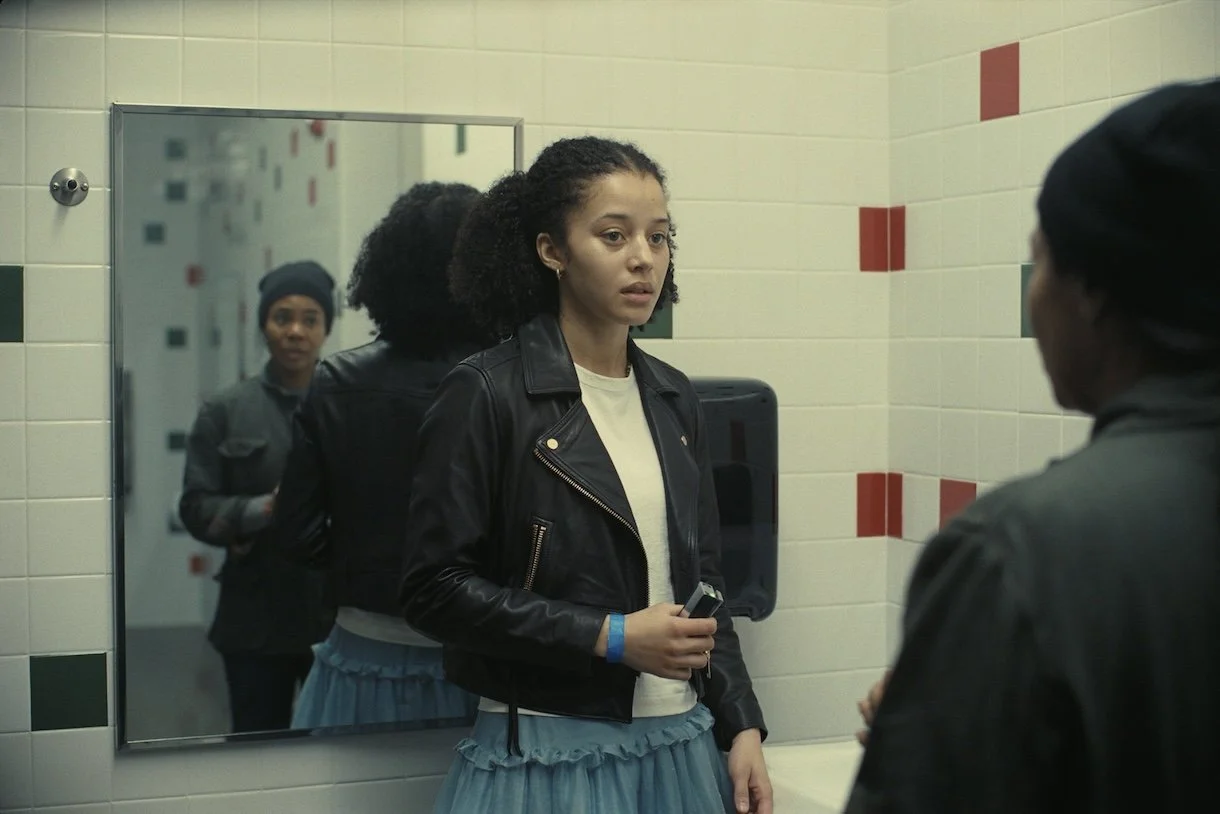
Still from One Battle After Another. Image property of Warner Bros. Pictures.
To close, the art of selling a movie can't be whittled down to partaking in the most viral situations possible or relying on the lead's star power and existence to get people to the cinema. Audiences are smarter than ever to the tricks and inauthenticity that advertising can contain, and they're more vulnerable, so they expect to see it from campaigns too.
Nerdiness and creative passion are in—Sinners and Coogler's Kodak video proved that. Misleading flashy campaigns don't hit audiences under the surface—Marty Supreme proved that. And in the case of One Battle After Another, no matter how good the film is, expecting high-profile names to do all the work cuts off a significant amount of potential viewers. When the final curtain fell, it was Sinners that left the most meaningful mark; the driving forces were belief, passion and heart.
Watch Sinners on HBO Max here.