

Mariah the Scientist and the Business of Heartbreak
Heartbreak narratives continue to dominate our cultural imagination. Do destructive R&B love stories, embraced by the likes of Mariah the Scientist, hold us back or set us free?
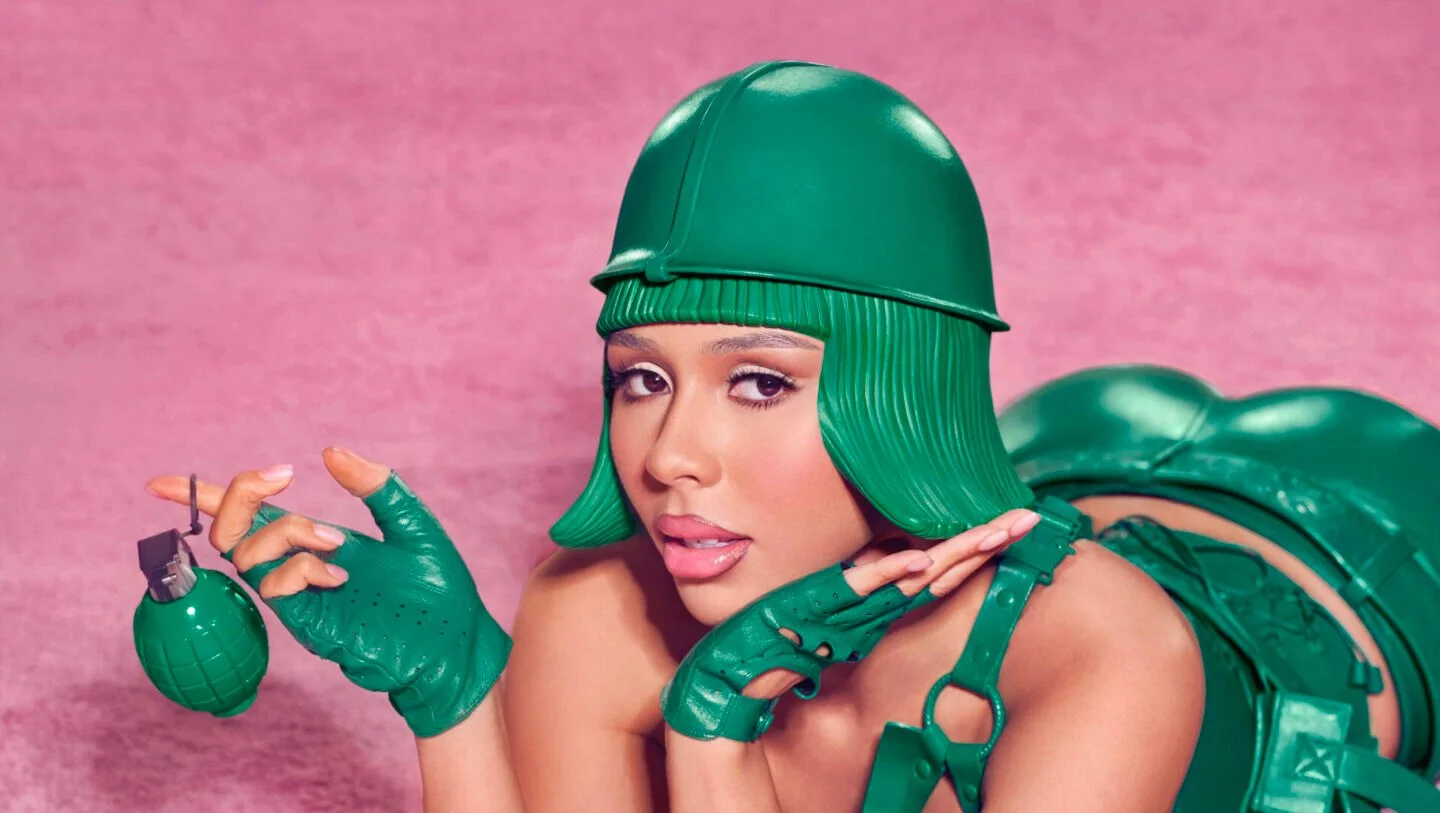
Mariah the Scientist in 2025. Image property of Vijat M.
2021 was a great year for contemporary R&B. Hell, 2021 was a great year in general. In a way, we were just freed from the shackles of the COVID-19 lockdown, but the postmodern cultural nihilism brought on by the Western world's price hikes, extortionate streaming bundles, and doomscrolling was—fully—the norm.
2021 was the year of 'Eat Out to Help Out' if you lived in the UK and if you were to flick onto your Apple Music or Spotify app back then, you'd be serenaded with a flurry of delightful R&B. Securing notable chart positions, both Giveon's lovelorn "Heartbreak Anniversary" and SZA's ethereal "Good Days" reinforced the quality of timeless ballad writing across the genre.
As newcomers like SZA became cultural mainstays and legacy artists returned with refreshed polish—like Bruno Mars teaming up with Anderson .Paak for Silk Sonic—a new wave of rising stars began to cement themselves in the zeitgeist. Enter Mariah the Scientist. The former biology student turned recording artist from Atlanta was still a budding figure in R&B, yet to fully break through.
The Atlanta singer-songwriter released her debut LP Master in 2019, but it was her second full-length project, 2021's Ry Ry World, that really caught net attention, alongside her viral single "Always n Forever". Bolstered by a feature from rapper Lil Baby, the track quickly took internet attention hostage.
Mariah's artistry blends light 1980s pop-synth textures with ruminative contemporary R&B, using both to probe the enduring, almost cyclical experience of heartbreak. Fast forward to last year and her hit single "Burning Blue" landed at #25 on the Billboard Hot 100, extending a conceptual thread she's described as "the war on love"—a framing that turns romance into something closer to battleground than bliss.
If we're being honest, despite Mariah's prolific output, there's a strong parasocial current running through her work—arguably more so than many of her contemporaries. Her tussles with love are well documented, with relationships linked to artists like Lil Yachty and her now-fiancé Young Thug often filtering into the public imagination as much as the music itself. Hell, we've even previously explored Thug's own questionable artistic choices before, but the less we say about that, the better.
Still, this context feeds directly into Mariah's fourth and, as of writing this, latest album Hearts Sold Separately. The record draws heavily from her past and ongoing relationship journeys, painting a deeply conflicted emotional battleground in her pursuit of love. It's R&B at its most immersive, occasionally bordering between greatness and something more serviceable. But the question lingers: is there something more quietly festering beneath the surface?
Thematically, the record depicts intimacy as a cycle of devotion and collapse, with emotional instability framed as self-imposed turmoil. This repetition draws listeners in—vulnerability becomes an art form, cloaked in cinematic allure. On the downtempo, piano-flecked "Rainy Days", when she sings, "And still I pray for love instead of common sense," Mariah crystallises this tension: having opened her heart and been hurt in return, she oscillates between feeling wronged enough to want revenge and recognising that, against her own logic, she still longs for love.
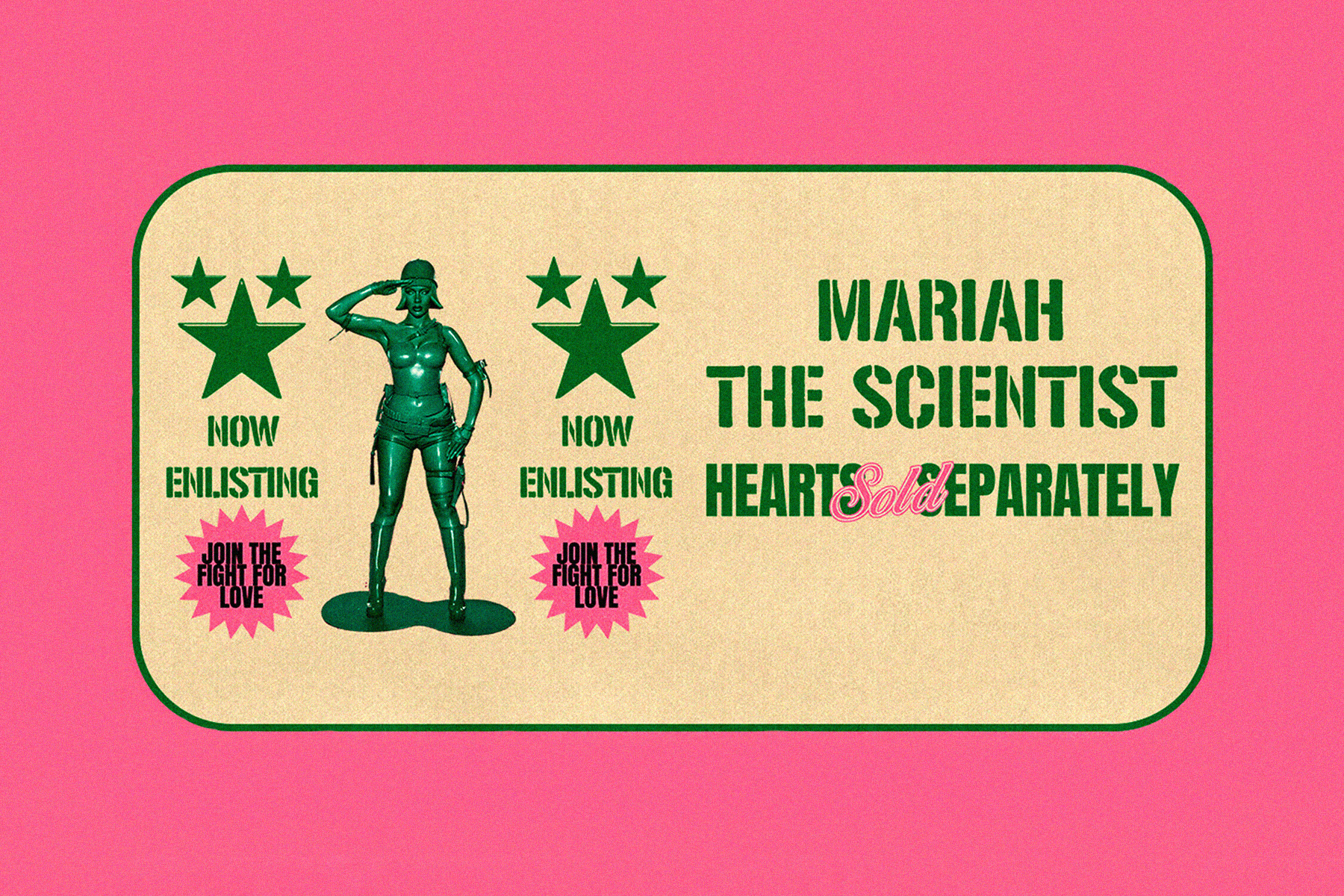
The result is a threefold emotional car crash: it's something that mirrors the tabloid mess, the (potential) emotive listener's own life, and something operatic, romanticised, with army green and candyfloss pink art direction working in tandem with Mariah's pensive narrative. And at the end of the day, most of the revenue generated feeds right back to the record label, streaming services and whatever sync deals that may land in the future. But the main question is: would this R&B land without the incessant reliance on heartbreak? I mean, that's what R&B is all about… no?
To me, resonance is the key ingredient that underpins Mariah's success. The use of heartbreak as an artistic reference point and its subsequent universal appeal speak to the interconnectedness of the human experience. As a fan of her work, I mostly relate to how she articulates how equally immersive and abundant love and pain can feel. Often at the same time, too.
I wouldn't consider myself someone willing to sacrifice it all, but many moons ago, I definitely thought that was what love was all about. Ironically, I was introduced to Mariah by a previous partner at a time when I probably would've "prayed for love instead of common sense" as well.
What draws me to Mariah is her vulnerability, specifically her openness in trying to make sense of intimacy and romantic dynamics rather than reducing them to simplistic observations. Acknowledging the objectivity of disrespect in relationships is important, but she reveals this inner dialogue and informed reflection that often goes unaddressed.
Although I don't exactly relate to the heartbreak narratives today, I still contemplate and lament. She reminds me of a version of myself that I am constantly forgiving. For that, I appreciate her discography immensely. After all, music, art, media and "canon events" are all part of the social performance we put on.
The state of romance and personal heartbreak stories have inspired expression and artistry across R&B, pop, jazz and beyond. From Keyshia Cole's 2005 ballad "I Should Have Cheated" to Ella Fitzgerald's 1961 track "Cry Me a River", themes of regret, loss and longing shape cultural expectations of the experience of heartbreak, even if you have never experienced it before. Many of us had no business singing some of these lyrics at 10 years old… me included.
“Vulnerability becomes an art form, cloaked in cinematic allure”
The idea of heartbreak was (and still is) injected into the zeitgeist from a young age. Brandy was just 15 when she began writing about love and heartbreak for her 1994 self-titled debut album. Jazmine Sullivan was also 15 when she was signed by Jive Records for her unreleased debut, Break My Little Heart, in 2003, while Monica was only 11 when she was discovered in 1991.
Across each of these early careers, emotional themes typically associated with adulthood were already being filtered through a teenage perspective. The timelessness of ballad writing means that years later, their songs still carry intergenerational appeal, even if some of the adolescent framing feels slightly awkward in hindsight.
Even before Mariah achieved A-list status, she delved into similar themes in her 2018 debut EP, To Die For. "Beetlejuice", her Wavez-produced early standout, became instrumental to Mariah's now-standard lover-girl archetype. She introduces this concept of self-destruction and passionate toxicity that she references across her discography. She questions and contemplates. She ruminates and anticipates disappointment, accepting the challenges relationships bring. Mariah writes in a way that feels deeply reflective and incredibly honest.
The disappearance of overt romantic expression is often framed as cultural decline, yet it may simply reflect a shift in how intimacy is performed and consumed under digital conditions. In this landscape, emotional expression exists as much in social media posts as it does in streaming platforms and algorithmic playlists.
Despite the ever-so-necessary discourse driven by Chanté Joseph's viral Vogue article, "Is Having a Boyfriend is Embarrassing Now?" and the heterofatalist movement itself, many people are still yearning and craving to be loved. But at what cost?
The data suggests a continued appetite for emotive music. In part due to streaming accessibility and trend-driven listening culture, emotional replayability now translates directly into commercial value. Heartbreak-driven albums like SZA's SOS exemplify this shift, becoming long-running fixtures on the Billboard 200 and reinforcing the commercial strength of vulnerability as a listening experience. Within this framework, heartbreak narratives function almost as the audio rom-coms of the post-digital landscape.
This is not to suggest that love-centric music is new. Sentimentality has long been central to Black musical traditions, from Isaac Hayes' 1969 Hot Buttered Soul album onwards. The difference lies in how intimacy is now circulated. In earlier eras, audiences primarily engaged with the music itself; today, they consume the artist's mediated persona alongside it. Contemporary artists like Mariah the Scientist operate in a space where the 'digital avatar' of the artist is inseparable from the work.
The conversation around R&B artists, particularly how projects from SZA and Summer Walker have shaped self-perception among listeners, has surfaced repeatedly across digital platforms. SZA's radical relatability drove a movement that explored themes of self-doubt, insecurity and despair, with tracks like "Normal Girl" resonating with marginalised women across the globe: myself included.
However, being a conscious consumer means recognising R&B as a timeless and deeply relatable genre while also acknowledging that it may not always mirror our own experiences—or rather, it does not need to. Conscious consumption allows listeners to appreciate the music for what it has done and what it continues to do, without allowing it to disproportionately shape personal narratives.
The demand for heartbreak narratives reflects the emotional realities of romantic relationships, which play a huge role in the success of contemporary R&B today. While Mariah continues to feed our yearning hearts as we sing line after line, beyond the tracks, we must manage and interrogate our desires. Remember that you hold the pen to write your own pages.
Stream Hearts Sold Separately below: