

Community, Culture and Black Joy Collide at London's Inaugural Ludi Festival
Home Radio is bringing a staple Caribbean game to the heart of London. Following the inaugural Ludi Festival, we reflect on the success of a day steeped in Caribbean culture, ancestral history and the joy of the game.
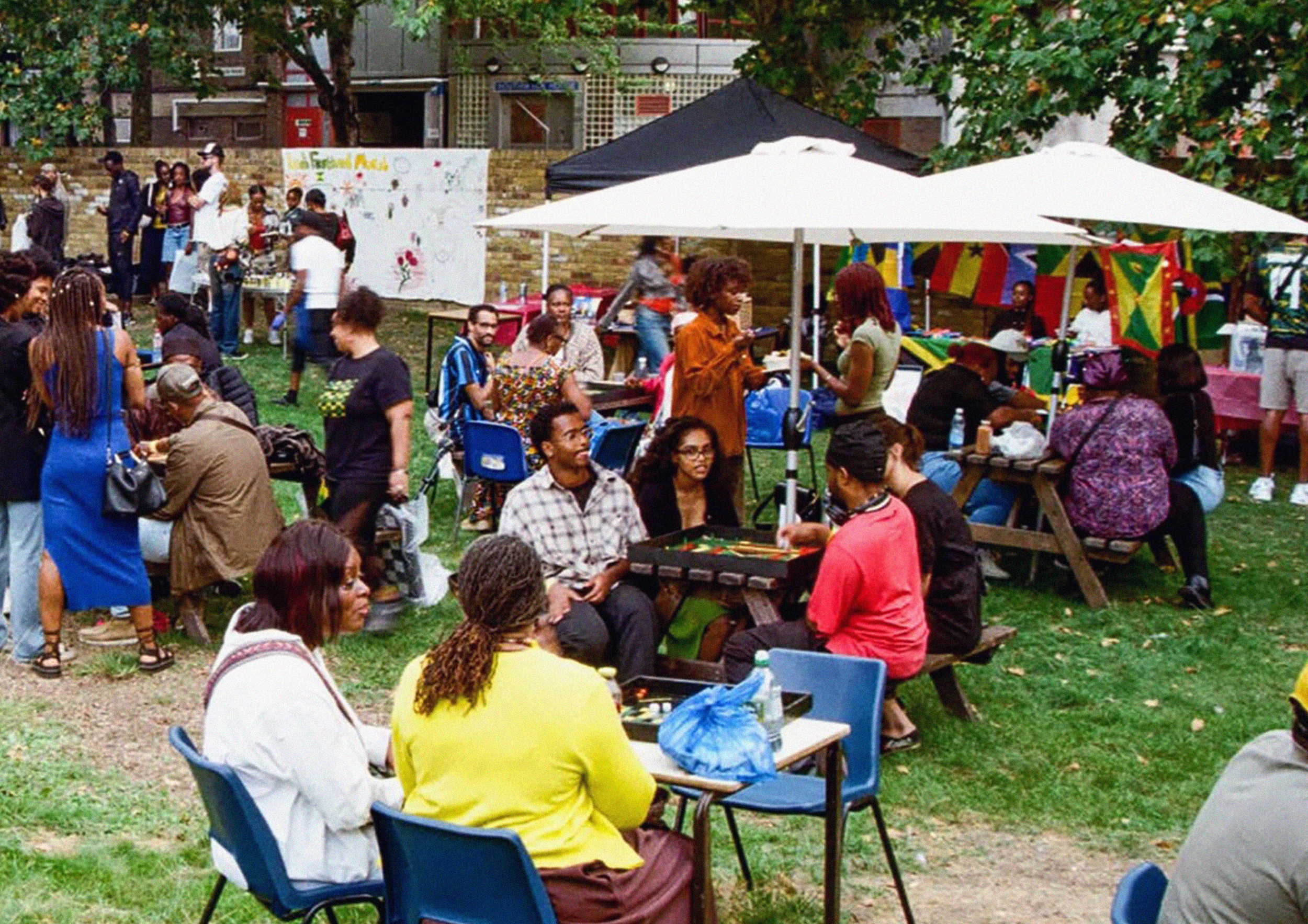
Ludi Festival 2025. Image property of Roshad van der Pool and Home Radio.
In a city where the breakneck pace of change can erase or flatten memory overnight, entities like Ludi and Home Radio work differently: they slow things down, fold time back on itself and create spaces where past, present and future can meet.
The mononymous Shari—a spatial designer, DJ and founder of the aforementioned community organisation, Home Radio—put her heart and soul into creating The Ludi Club, from which the first-ever Ludi Festival was born.
Home Radio evolved from focusing on music niches to engaging in purpose-driven, socio-political storytelling. Through Ludi, play becomes a way of reclaiming space, connecting generations and preserving heritage.
Gabriel, a team member, reflects on Home Radio: "It brings time back together—the past, the present, and the future become whole again. When the radio show first started, it was all about recognising niche cultures within music and the different microcosms that exist across the musical landscape." Here, we see how, in her creations, Shari digs deeper than what lies at the surface.
So where did Shari's idea for the Ludi Club stem from? Seeking to create a unique and intergenerational third space for her community, and inspired by the creation of chess clubs, Shari chose to research the history of Dominoes clubs and the culture surrounding them. She decided to embrace Ludi, a board game with Jamaican roots that is not dissimilar from the widely known Ludo.
"In Brixton, there are champions across the community who play these games at the community centre. They meet and gather, and it's so authentic; this inspired the club's beauty. Starting in Peckham, most attendees were locals, which was quite good. The focus was on placing the club in authentic areas", Shari reflects.
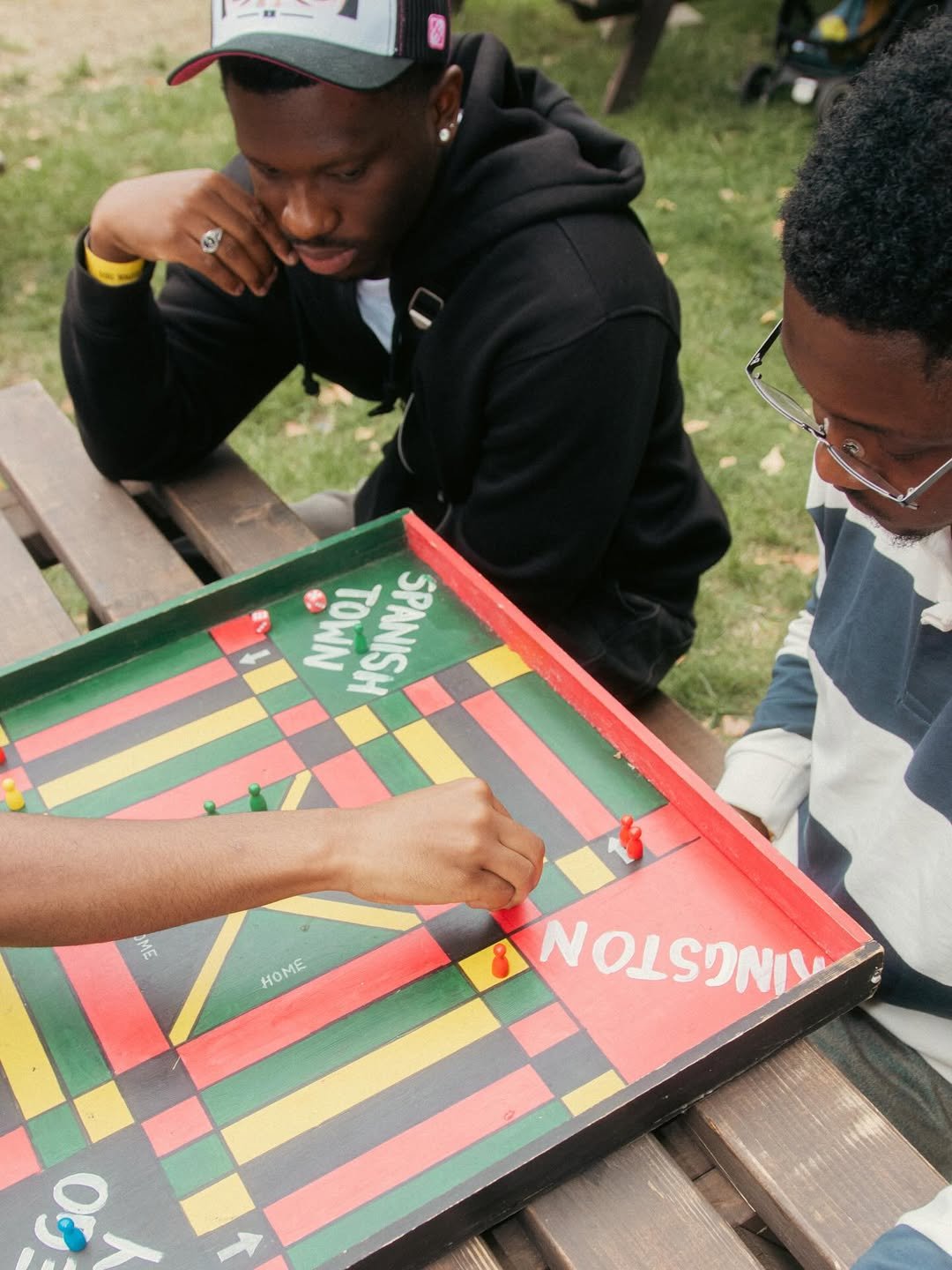
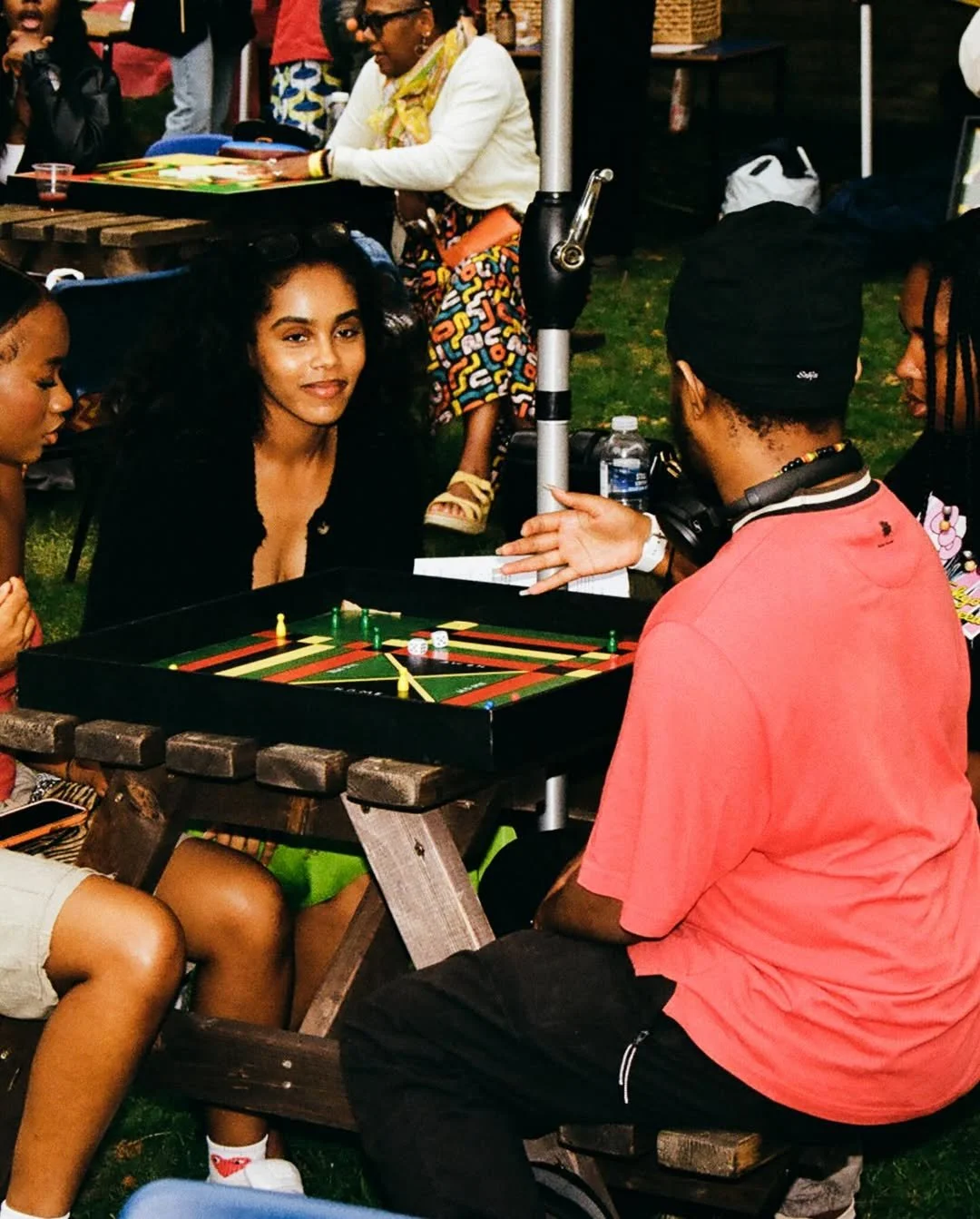
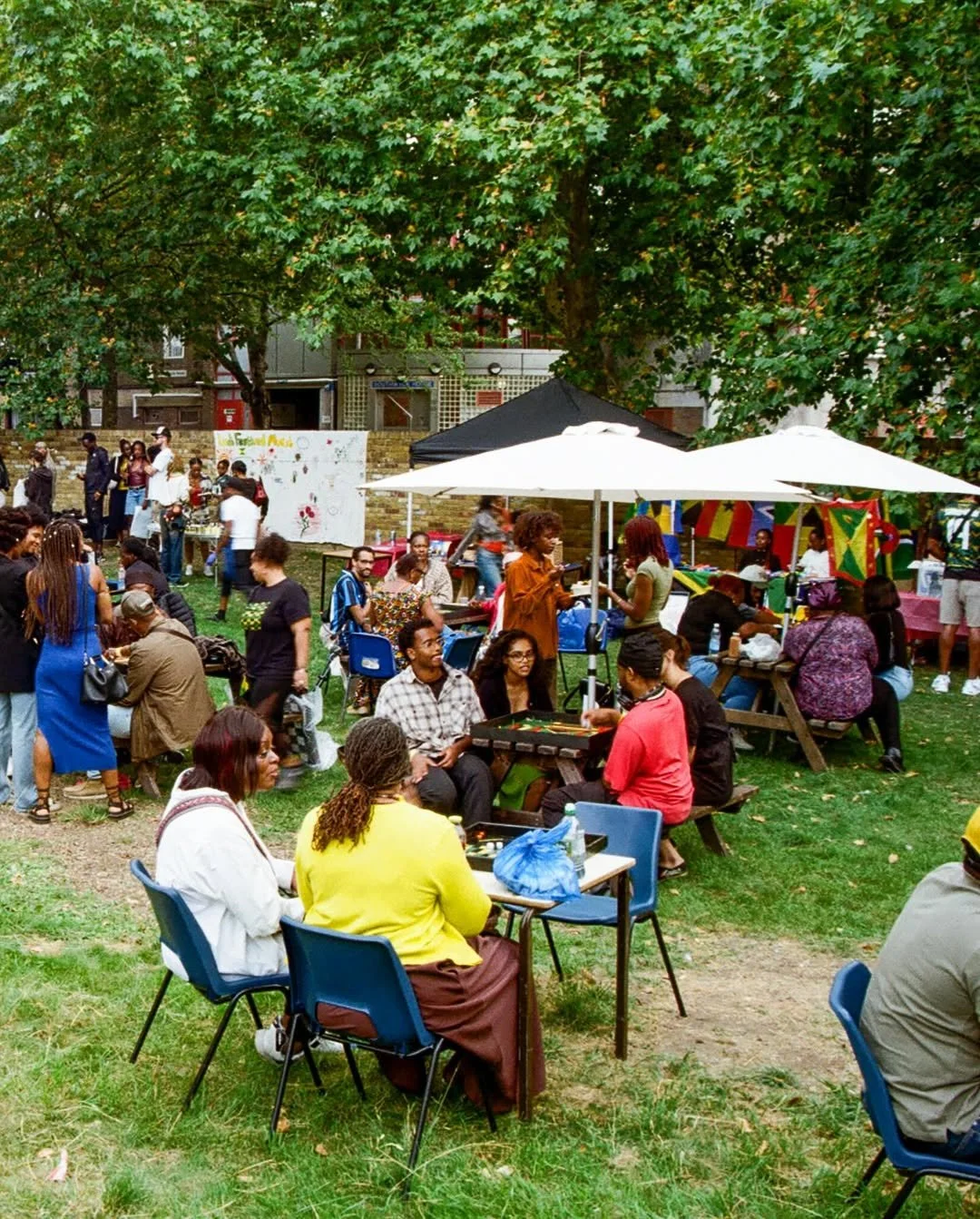
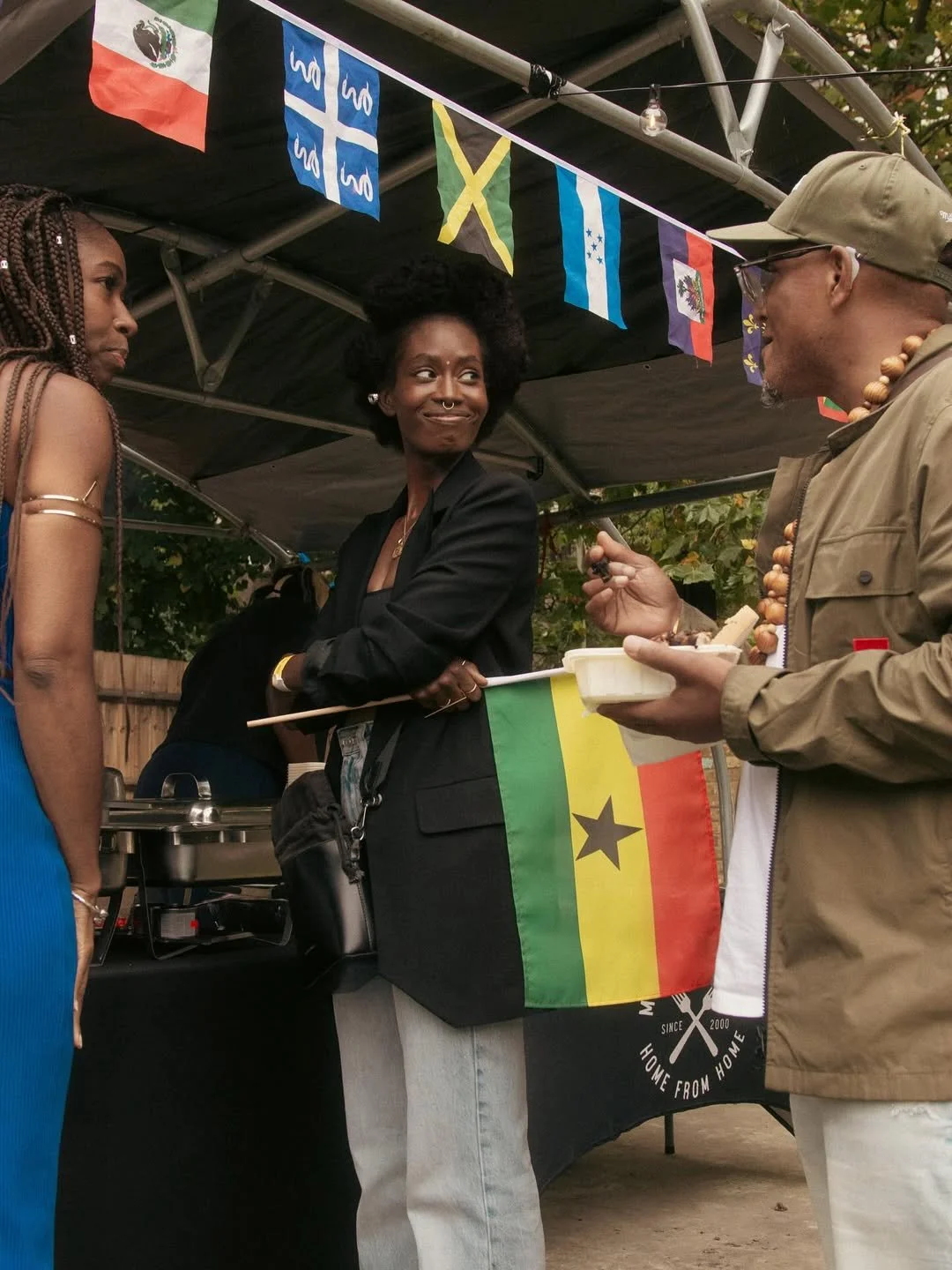
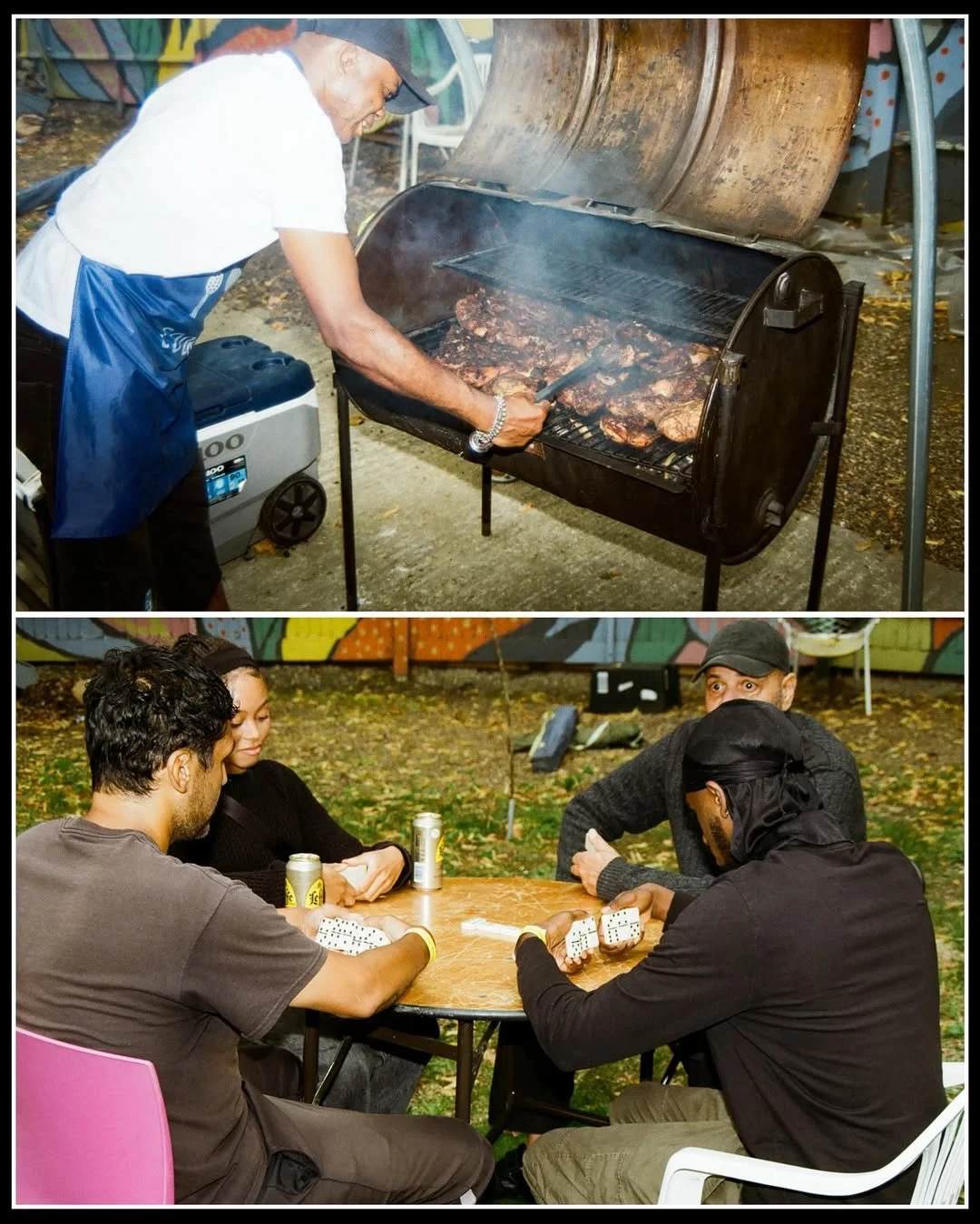
To create the Ludi boards, she drew on Ghanaian and Jamaican influences, recreating a tradition that was passed down from her father to her. These roots reflect how past, present and future collide in the Ludi Club's origins and mission; overall, it celebrates Black culture. The idea blossomed into a monthly African and Caribbean games night hosted at Jumbi in Peckham, allowing new players and veterans to reconnect with their heritage through these games.
On 16th August, the expanding Ludi Club collective united in Brixton for its debut festival at the Immortals Dominoes Centre, a venue founded by members of the 1970s Windrush Caribbean community. The gathering celebrated Black joy, togetherness, and a triumph in the Ludi Club's growing success story.
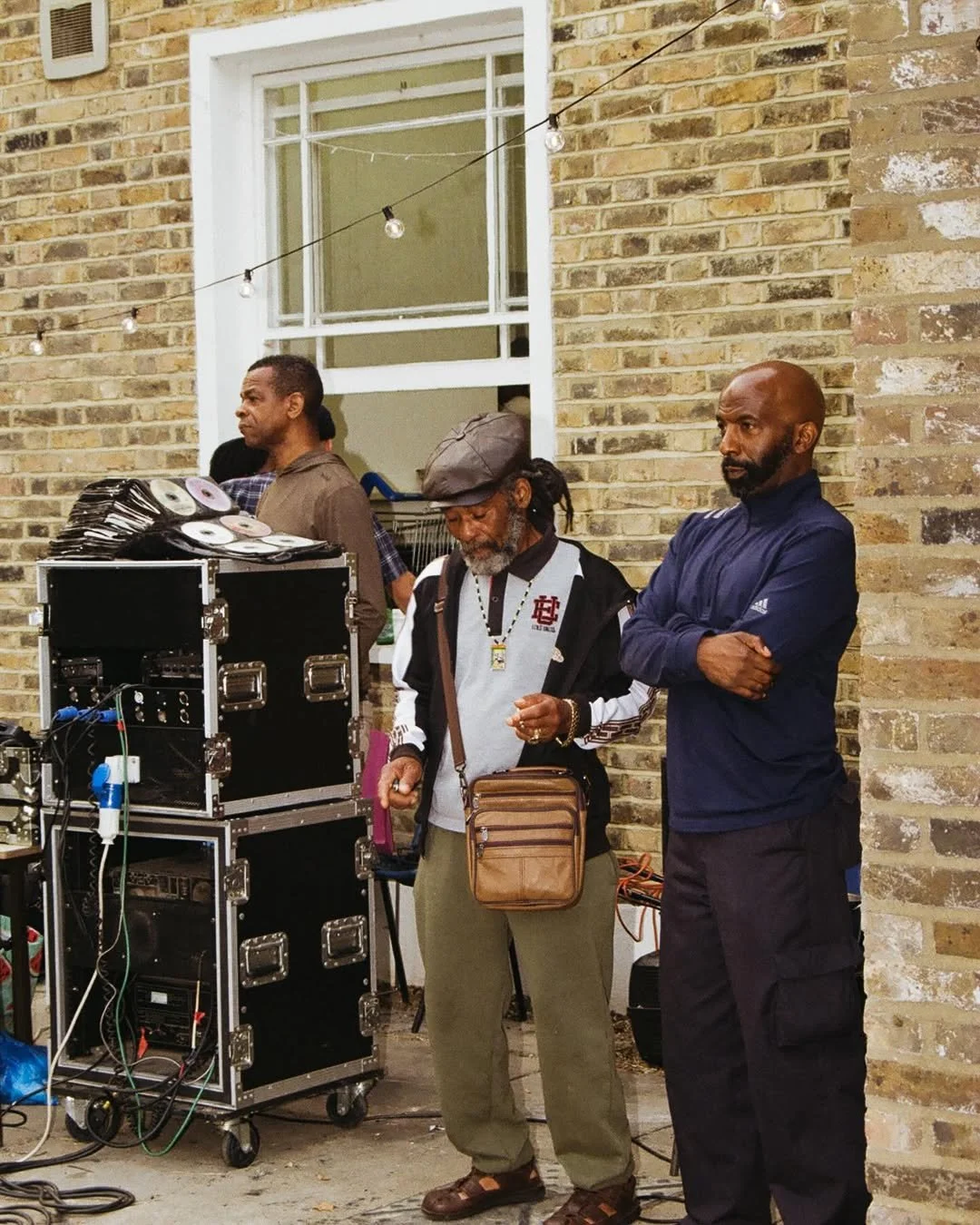
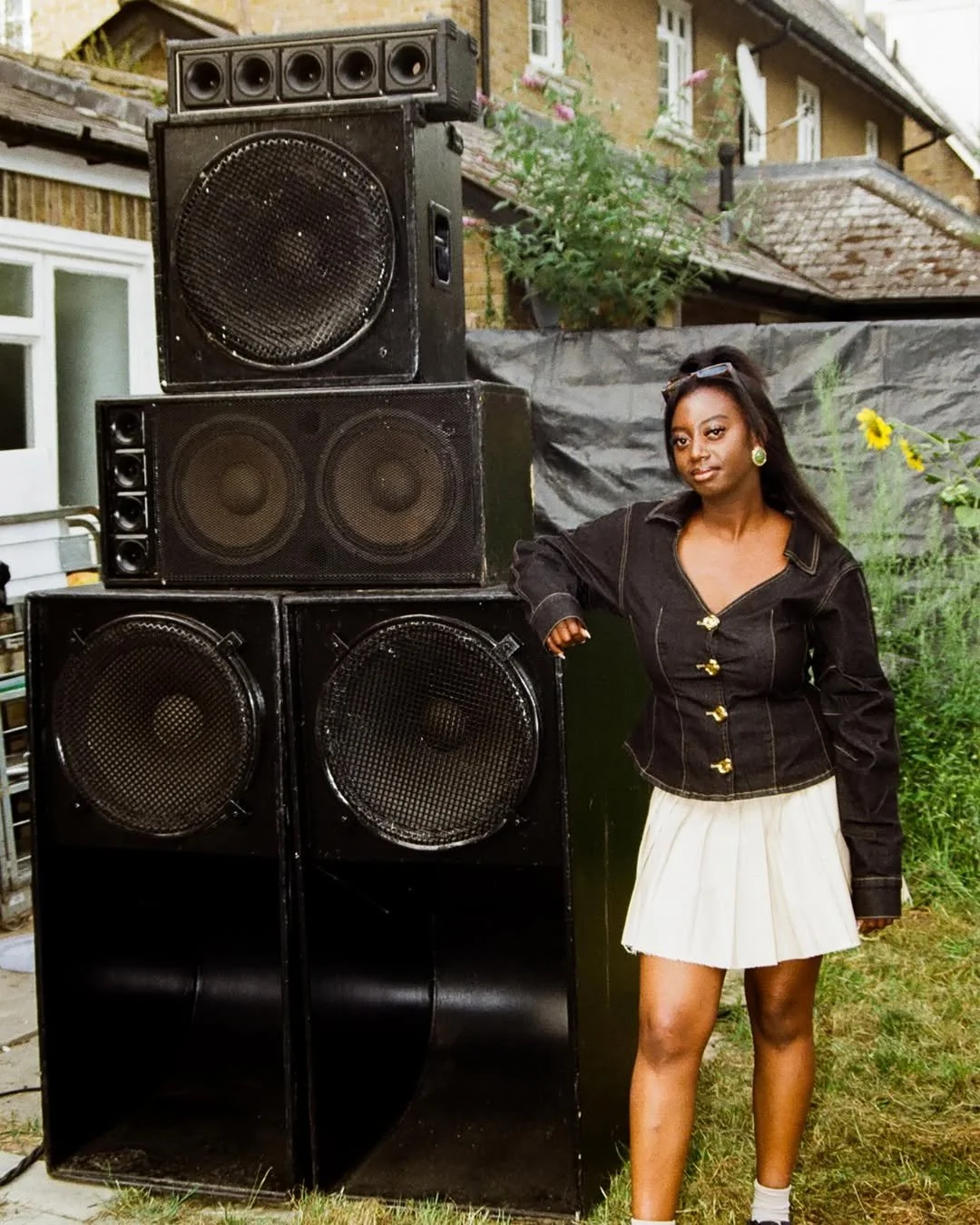
The Ludi Festival was adorned with an all-star line-up of DJs, providing a sonic backdrop for the array of games the intergenerational attendees enjoy. Shari was intentional about championing older-generation DJs rooted in sound system culture with connections, for example, to the Saxon Sounds family.
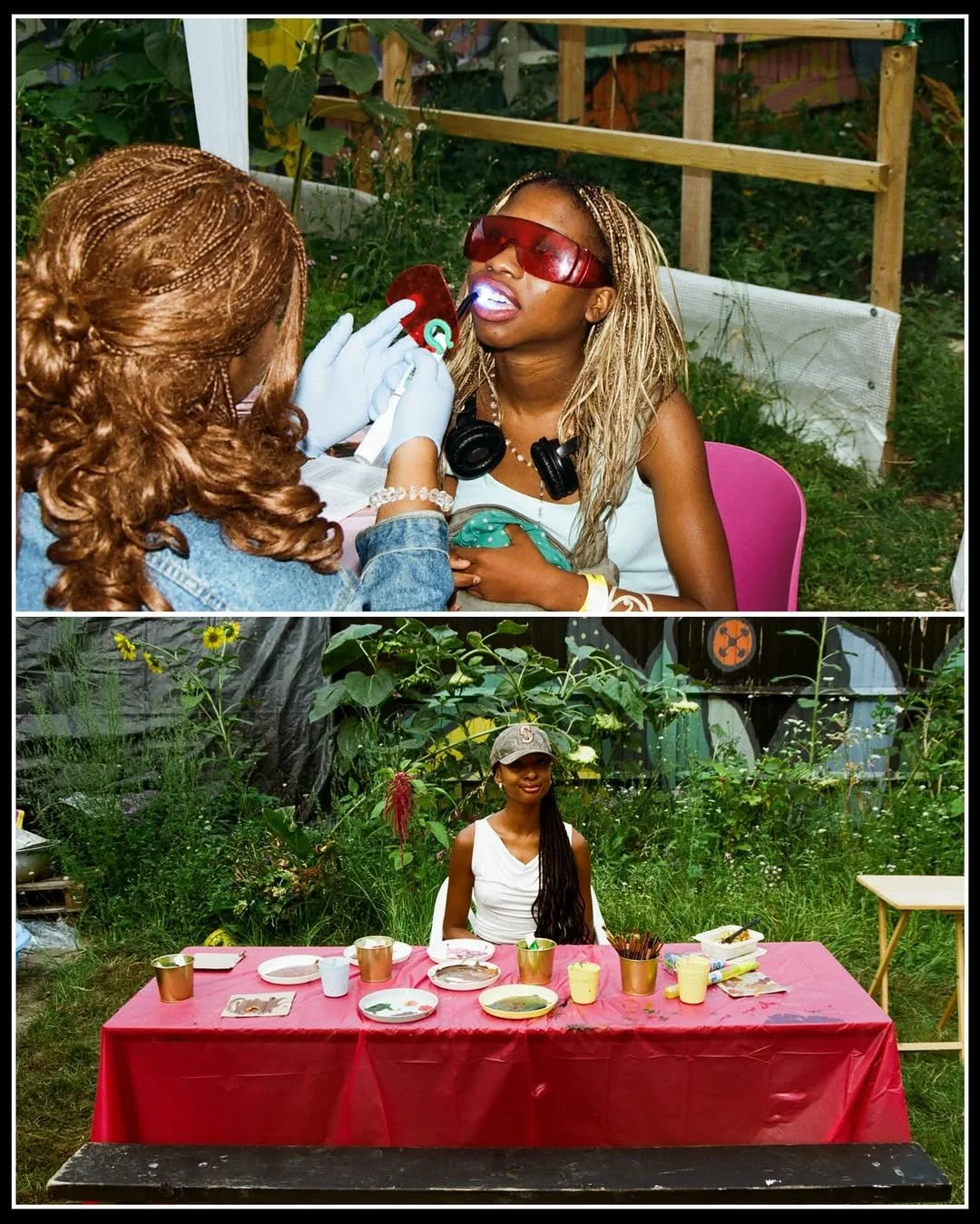
As an attendee, seeing different generations come together to play these handmade board games was beautiful. Kids and adults alike were playing, dancing and having fun. It felt like a family cookout and a celebration of history and lineage, the multigenerational atmosphere shone bright. It truly felt like home. Learning how to play Ludi, meeting new people and feeling part of a heartfelt and budding community was unforgettable.
In this digital age, it can be easy to forget to enjoy the moment and truly appreciate being in people's presence when gathering together. This event inspired a feeling of nostalgia that I had been craving, and filled a void that many other events have been unable to. The community felt like family, and those moments are cherished because we are truly rich in those connections—you don't need much else.
Team member Gabriel expresses concerns about new creatives and spaces being uprooted from their origins. "People can be too focused on trying to create their own image, develop their own sense of identity, their own sense of self, but they're not connected to the heritage they come from, and they're also not building any infrastructure to pass on to younger generations," Gabriel added. And here lies the importance of The Ludi Club, in its efforts to create and foster a deep-rooted, enriching community through play.
In the current cultural, financial and political climate, finding spaces where we can still feel that sense of community outside of the home is crucial. Third spaces can be a vital mechanism of wellbeing; if these spaces don't exist, we must create them. Shari did that: from the seeds of her passion, a community steeped in culture, heritage and playful enjoyment has grown.
Stay up to date with Home Radio on social media here.