

Superfine, Superfly & Super Important: The Power of Dandyism in Black Male Expression
From Harlem's reimagined luxury to the Met Gala runway, Black dandyism has always been a statement of rebellion—and this year's theme is rewriting the rules, one tailored suit at a time...
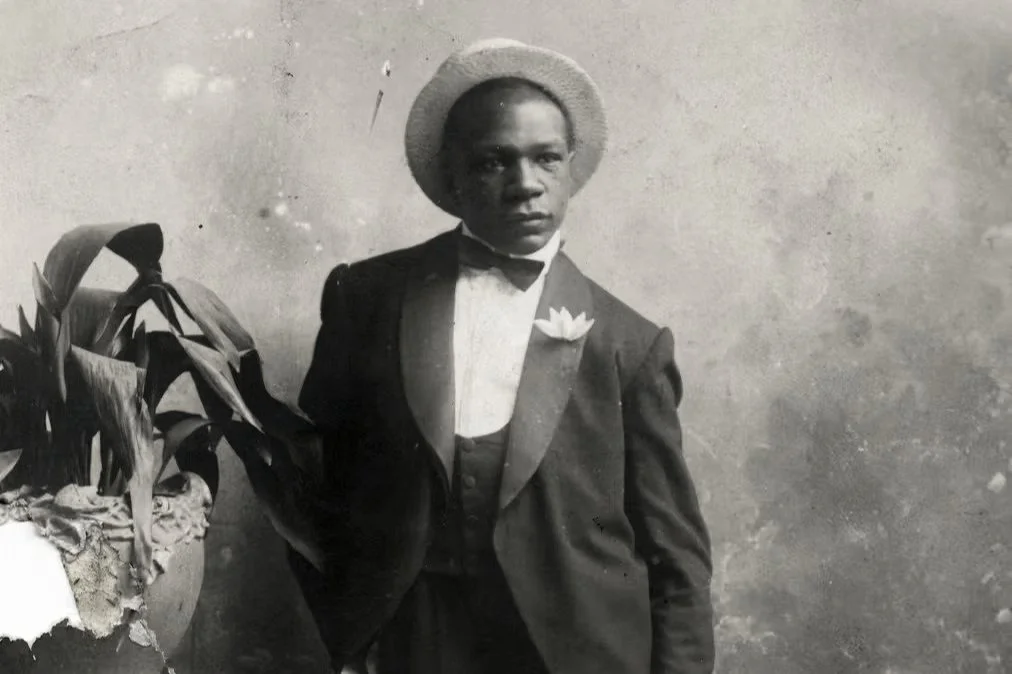
Raúl Grijeras (labelled el negro Raúl) circa 1910. Image property of Archivo General de la Nación Argentina.
The first Monday in May has come and gone, and now fashion lovers everywhere are weighing in on what the biggest names in pop culture yanked off the rack for the 2025 Met Gala.
This year's theme, taking inspiration from curator Monica Miller's book Slaves to Fashion: Black Dandyism and the Styling of Black Diasporic Identity, highlights all things tailoring, Black style, and dandyism. Birthed as a means of reimagining identity, the dandy, historically slaves or service workers, would use style to rebel against the stereotypes and social order that they were placed in.
From formerly enslaved people who experienced freedom in the 19th century to sapeurs in 1920s colonial Congo, who adopted a European aesthetic to mimic their colonisers—Black dandyism has always been about resistance.
The emphasis on luxury, outlandish garments and dressing to the nines, no matter who's watching, is at the heart of this style subculture. Picture André 3000 in his infamous gaudy glasses, permed hair, and androgynous post-ATLiens flair, or TikTok star Wisdom Kaye, known for his fearless play with silhouettes, shapes, and textures.
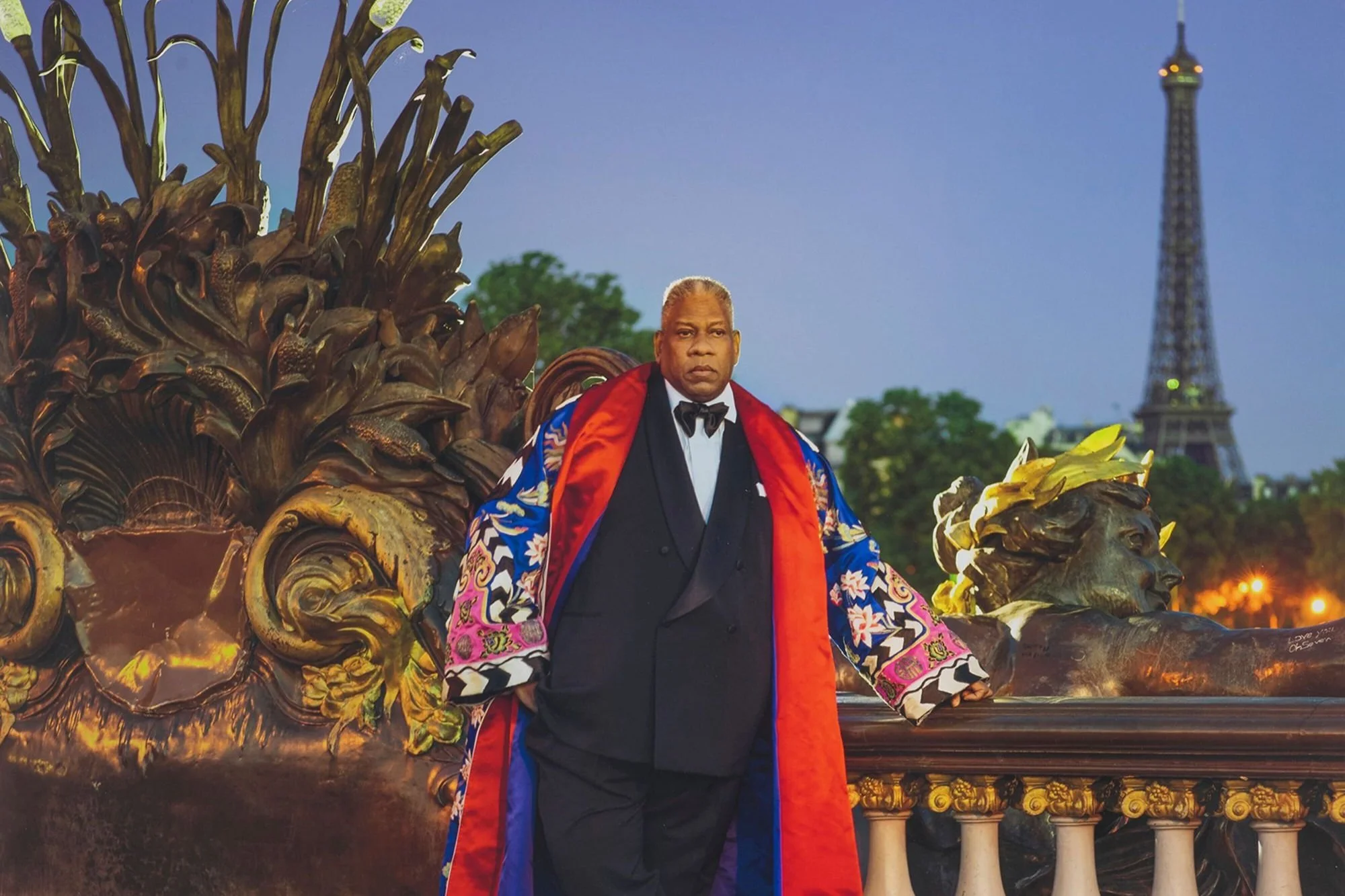
Then there's Vogue icon and the ultimate dandy, the late, great André Leon Talley, who, in the words of Anna Wintour, had an "instinct for self-presentation. He understood that, especially as a Black man, what you wore told a story about you, about your history, about self-respect."
Being the first Black male creative director of any Vogue publication, it's no surprise that Talley's uniform consisted of perfectly tailored suits and larger-than-life capes. It was a statement of his presence, an assertion of his right to be, in an industry where nobody looked like him.
At the same time, designer Dapper Dan was asserting his right to a seat at fashion's table. In 1980s Harlem, he dressed artists, gamblers, and hustlers in bespoke pieces emblazoned with repurposed Gucci and Louis Vuitton logos: a radical act of reappropriation that challenged Eurocentric gatekeeping by remixing luxury codes through a distinctly Black, street-level lens. These garments weren't just aspirational; they were statements. Through them, Dan offered his community access to a world that had long shut them out, rewriting the rules from the outside in.
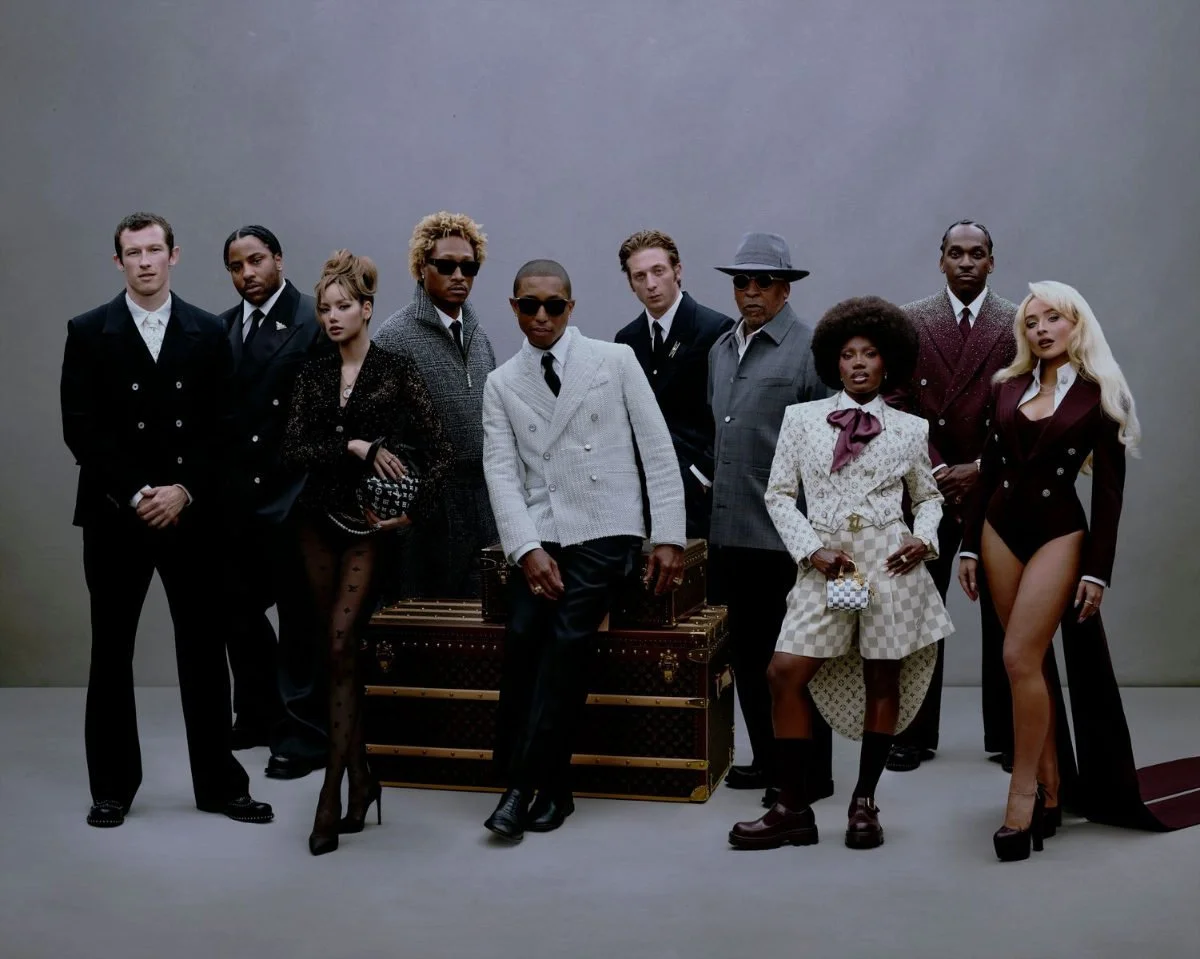
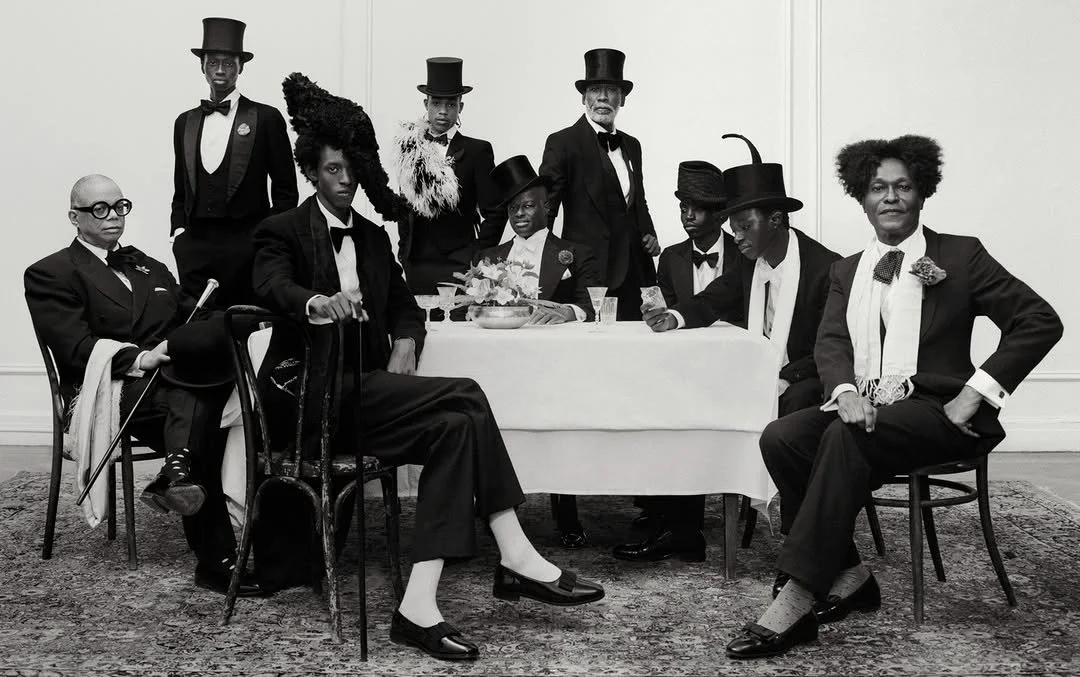
Until the 1990s, fashion and mainstream media were still steeped in harmful tropes of Black masculinity. Rappers and hip-hop artists were routinely framed as threats—aggressive, deviant, and unfit for polite society. News segments didn't just report on crime; they positioned oversized tees, sagging jeans, and gold chains as visual proof of moral failure. Fashion, in this context, became a proxy battleground for coded racial anxieties.
In reimagining high fashion and merging it with the so-called "Black aesthetic", a look often demonised in white media, Dapper Dan empowered Black men to reclaim their image. Whether they leaned into the flash or subverted expectations altogether, these men used clothing not just as self-expression, but as self-defence—a tool to navigate a hostile public gaze.
Though Dan and Talley moved in vastly different orbits (the Harlem atelier and the Condé Nast boardroom) their projects shared common ground: they understood fashion as theatre, as strategy, as survival. Talley's "chiffon trenches" weren't just a metaphor for the industry: they were a frontline where race, class, and taste collided. It's a dynamic many Black men, from boardrooms to barber shops, instinctively recognise.
Take sport, for instance, one of the few arenas where Black men have long had visibility, yet often on terms not their own. Personal style becomes crucial when your body is seen as property, your uniform prescribed, and your voice policed.
Enter Chris Eubank—striding into press conferences in top hats, Savile Row suits, and silver-tipped canes. His flamboyance wasn't incidental, it was deliberate. He embodied the Black British dandy, signalling on his own terms: "I am more than your stereotype. I am not here to blend in."
Across the Atlantic, the tension played out differently but no less sharply. In 2005, the NBA introduced a business casual dress code for players, a thinly veiled attempt to sanitise its image by targeting so-called "urban" fashion. But athletes like Allen Iverson and Russell Westbrook refused to conform. Instead, they retooled the brief—pairing durags and iced-out jewellery with blazers and loafers, merging streetwear with boardroom chic in a cultural judo move that flipped respectability politics on its head.
In both sports and fashion, these men weren't just dressing; they were rewriting the narrative of Black visibility. In doing so, they made it clear: no one gets to define our identity but us. Professionalism and tradition be damned, just like the dandies of the past. Their focus was on looking fly and subverting the limitations the league imposed on them.
But this doesn't always come without critique…
When Westbrook pulled up to the Thom Browne SS22 Show in an ankle-length skirt, fans and fellow players had much to say, questioning his masculinity and implying he was somehow less of a man for it. Former Love Island star Dami Hope has faced similar scrutiny. Known for his bold sartorial choices, he's drawn a flood of commentary online, from his painted nails to his embrace of genderless fashion. Hope has spoken candidly about his style in the past: "Men have so many layers to them. But they're not comfortable enough to show it because they'll be perceived differently and told to 'be a man'."
Whether it's the expectations of the corporate world, traditional ideals of what a man should look like, or the opinions of their peers, Black men seem to be experiencing less and less freedom to experiment and freely form identity through fashion.
When a Black man chooses to do so, he becomes, as Monica Miller puts it, "a threat to supposed natural aristocracy. He is (hyper)masculine and feminine, aggressively heterosexual yet not quite a real man, a vision of an upstanding citizen and an outsider broadcasting his alien status."
“This week, co-chairs A$AP Rocky, Colman Domingo, Lewis Hamilton, and Pharrell Williams arrived in their cleanest, sharply tailored looks, not just celebrating style, but using fashion as a powerful narrative tool—honouring culture and the stories it tells.”
Guests like Teyana Taylor and Ncuti Gatwa proudly blended their respective Harlem and Ghanaian heritage with the world of high fashion, making the night a true welcoming of the outsider. More importantly, it was a public endorsement of Black expression.
Where generations of Black men have been suffocated and bound by the court of public opinion, this year's Met Gala is a reminder that dressing is a form of rebellion. It tells a story about who you say you are, despite what society expects of you.
As the staircase to the gala was filled with narratives of Black history: from the Windrush generation, to the Harlem Renaissance, to the Black church, it is an encouragement to the next generation to proudly, unapologetically, keep styling and expressing every part of themselves.