

The Sound of Survival: BBE and the Future of Black British Music
Long before the term 'Black Britain' became widely recognised, one record label was already shaping Black British identity and exporting its unique sounds worldwide. We're tracing the rich story and seismic impact of BBE Music, and shining a light on the new generation that flourishes in its wake.
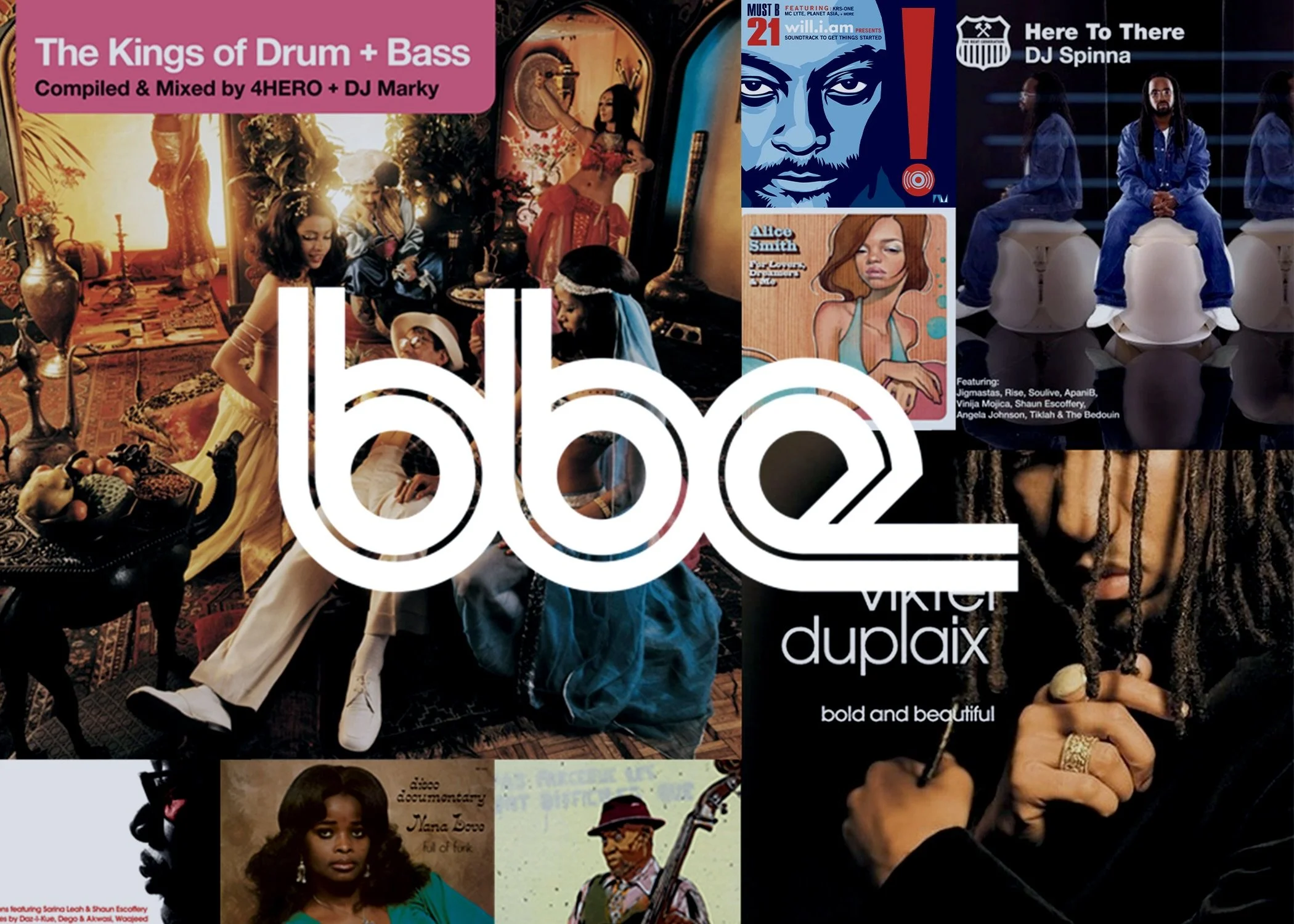
A handful of BBE releases over the years. Image property of BBE Music.
BBE Music was a record label founded in 1996 by Pete Adarkwah, a Ghanaian-born, London-based DJ, and fellow selector, Ben Jolly. Named after the disco banger "Barely Breaking Even" by the Universal Robot Band, BBE was born from the early 1990s London club scene.
Adarkwah was inspired by the success of his eclectic club nights, where he played rare groove, soul, funk and acid jazz, so he set out to create a label dedicated to these overlooked genres.
Many of the records that Adarkwah loved were out of print and largely unknown, but still full of creativity and innovation. BBE's mission therefore became clear: to rediscover and share these hidden musical gems with a wider audience.
The record label helped lead the charge towards the lost futures that this music represented, wherein virtuosic Black musicianship and analogue recording techniques clashed with Silicon Valley prophecies of sentient machines encroaching upon human expression.
At the same time that BBE was rising to prominence, UK producers like M-Beat, 4Hero and Manix represented this battle by transforming rare groove music (by the likes of Patrice Rushen, Anita Baker and Minnie Riperton) into experimental and cathartic jungle classics. These electronic and bass-led compositions were Afrofuturist visions from the first generation of digital natives.
These producers proceeded into technology's angst-inducing armageddon with the armour of their heritage and the war horn of Black soulfulness. BBE abetted movements like this, proliferating lost classics so that the legacy of Black creativity and humanity could be re-experienced, rejuvenated and refined.
A range of new genres emerged during this period—most notably, broken beat, which later shaped the foundation of UK funky. This style poured the musicality of rare groove and acid jazz into the mould of electronic dance music.
After it had been incubated by Plastic People (the legendary Shoreditch nightclub where broken beat found its early footing) and Co-Op (the club night that spawned that sound), BBE distributed refined releases from American music-makers, like DJ Spinna and Masters at Work, who took broken beat Stateside.
Amongst these, arrived Vikter Duplaix's Bold and Beautiful, which was heroic because it sharpened the home-grown broken beat philosophy against a global edge. It coalesced Philadelphia gospel, trip-hop and R&B into a visceral presentation of emotive human expression.
A multitude of releases like this encapsulated BBE's ethos, 'Barely Breaking Even': the integrity of this music was more important than the pursuit of profit, which meant genres were proliferated through a genuine care for the artform, rather than a care for business.
In an effervescent and ecstatic four-room fiesta, BBE celebrated this legacy for their 30th anniversary celebrations in Hackney a few months back. Legends that have been bred from the label's efforts—such as Gilles Peterson, Benji B and DJ Spinna—gathered in buoyant reverie, spinning virtuosic sets that captured the gleeful, kaleidoscopic sound that BBE has become known for. Sharp, jilted breakbeats punctuated sonic journeys through a transatlantic history of Black resilience.
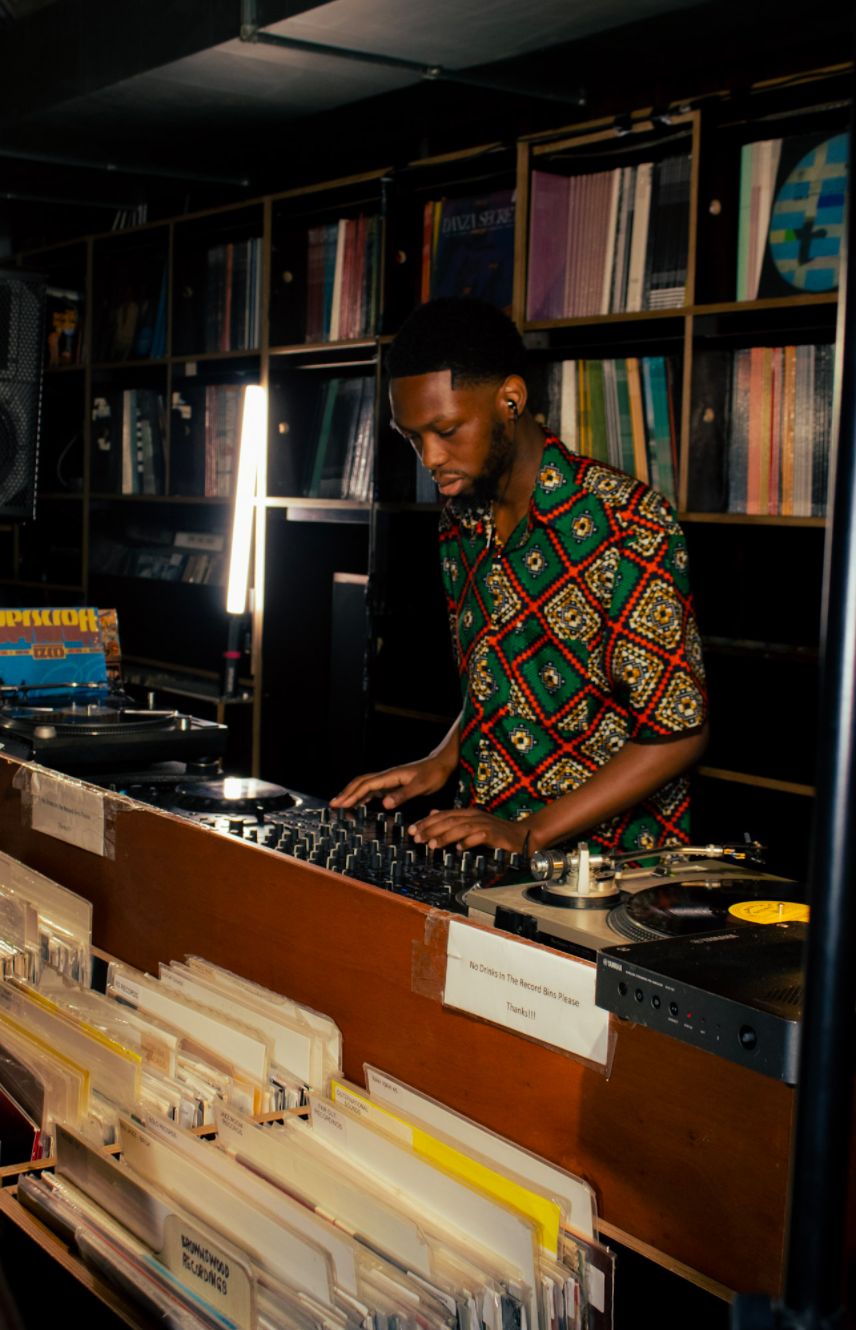
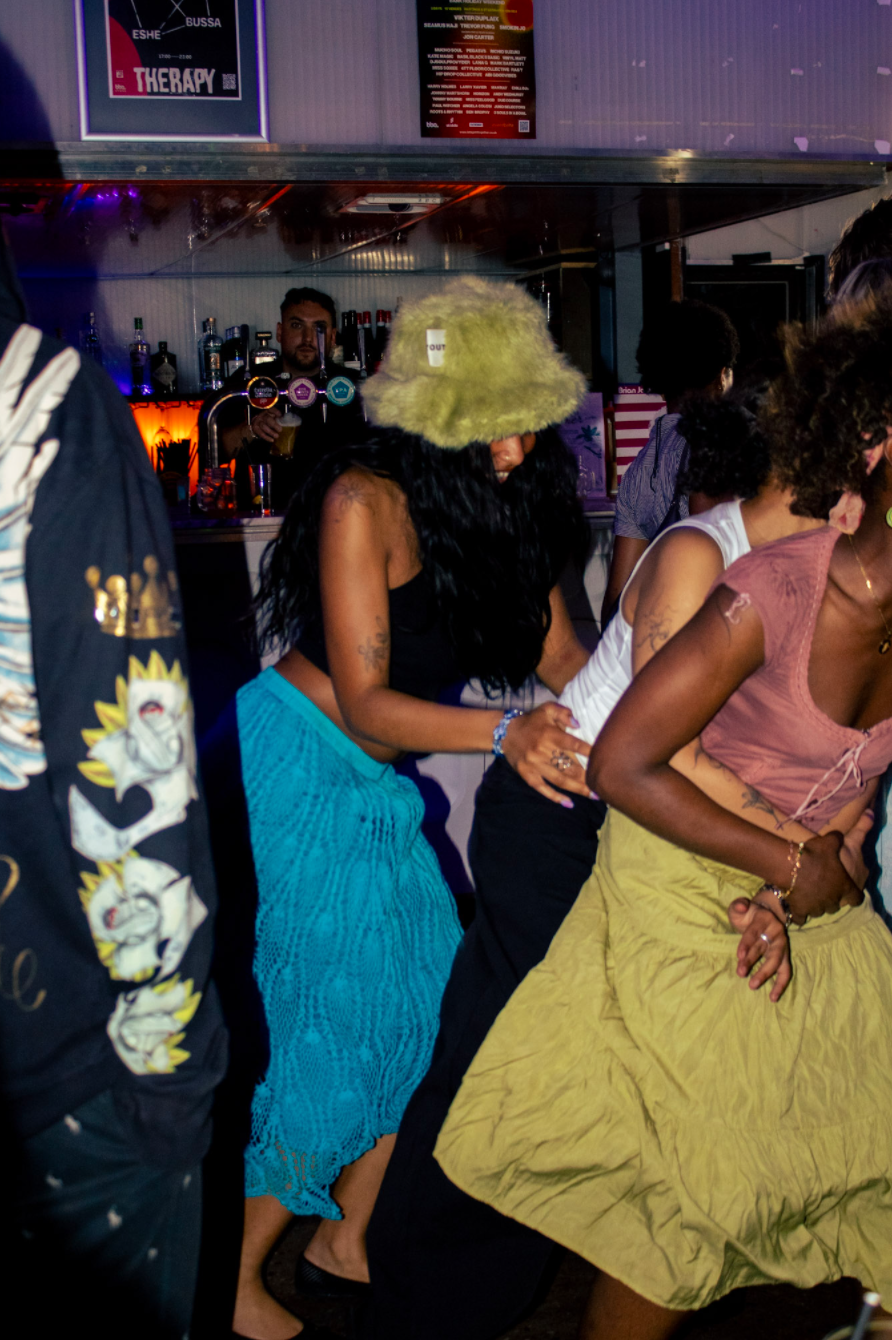
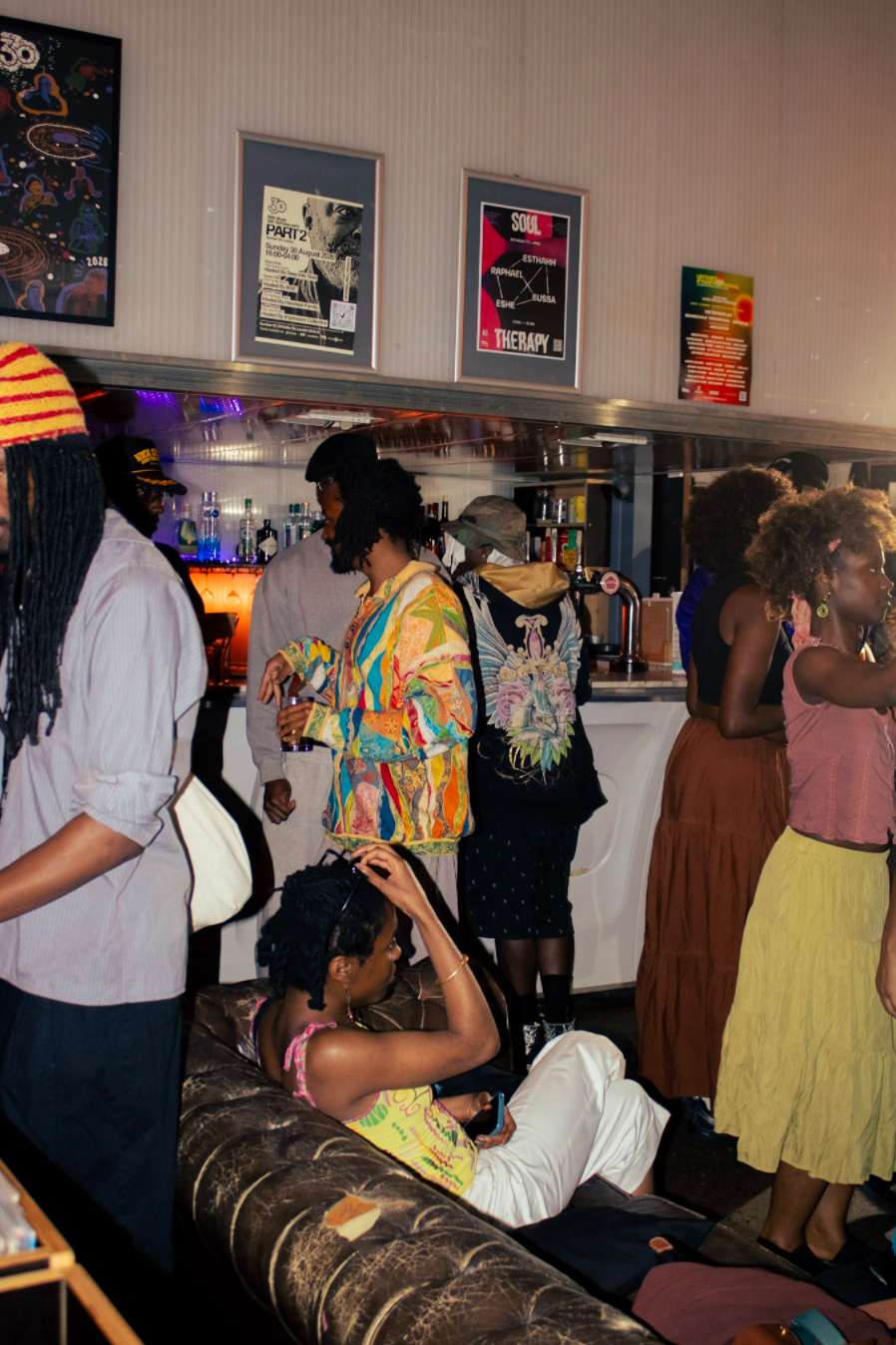
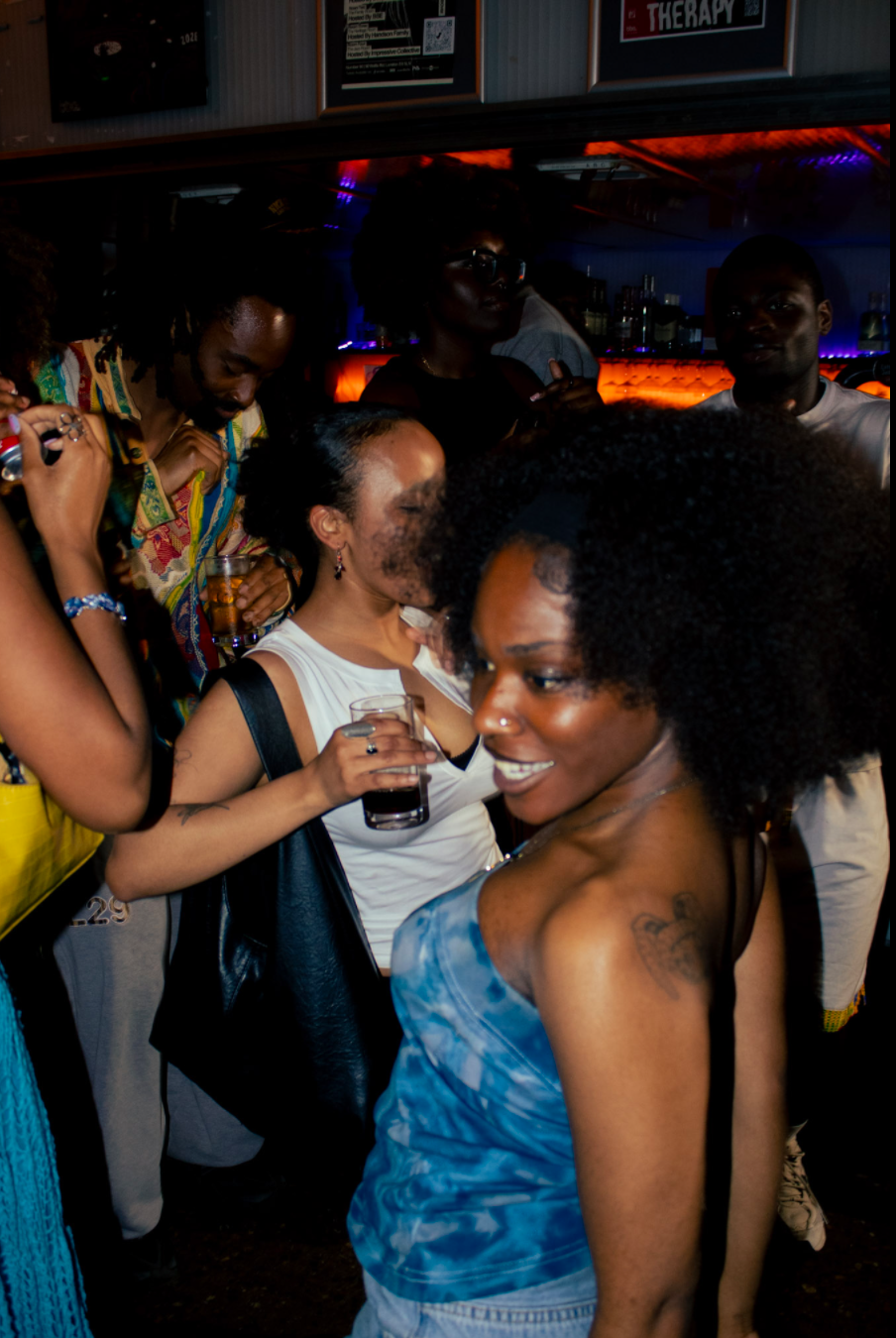
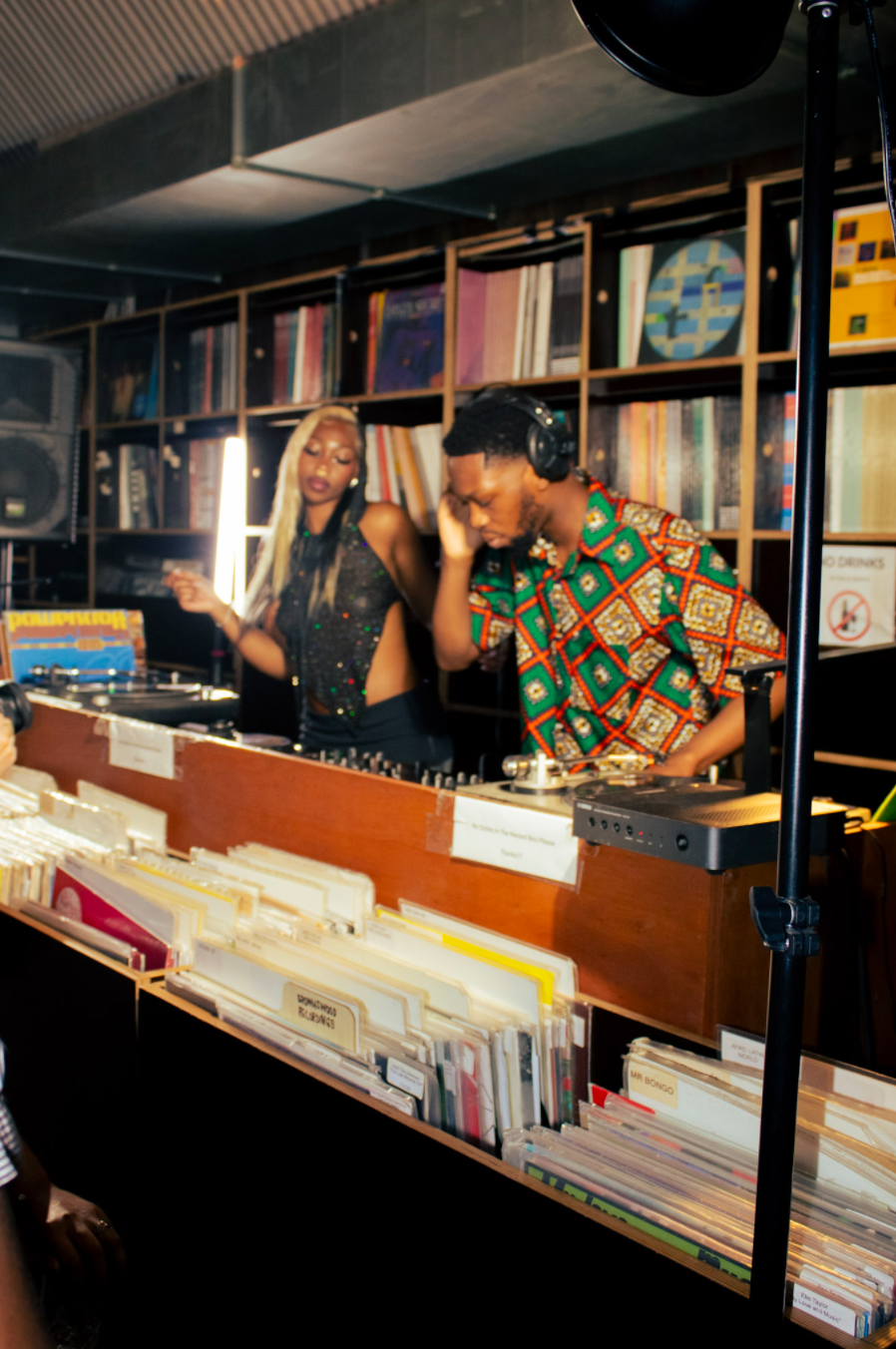
Photos of Elysium, TheBooksDem's event, hosted in The BBE Store in Hackney. Images property of Roni Michaela Pierre.I was there that night, wading through dancers to reach the front of the room as DJ Spinna invoked Afronaught's "Transcend Me" at the start of his set. The drums inhaled and exhaled, jazz hi-hats cacophonying over kick drum heartbeats—the song's title became a prayer of remembrance. I thought about the dancefloor martyrs who have, for decades, catalysed Black innovation out of underground obscurity, then offered a heavenward thanks for their contributions.
But as the psychedelic synth pads glistened over the drop, I looked to Vikter Duplaix and Johnny Reckless standing side-by-side with Spinna, and recognised that these legends are still here, on Earth, for us to give flowers to and learn from now.
Furthermore, the Blackness of their innovations is still intact in their syncopated, eclectic rhythms, though the conditions of who performs the music and how it is received is forever in flux. The prayer became one of serenity.
At cathartic junctures of the night, DJs played beloved hits that had been cultivated from BBE and its peers over generations. These were hard-won victories: General Levy and M-Beat's "Incredible", DJ Spinna's remix of Shaun Escoffery's "A Better Day", Louis Vega's "A Whole New World", Afefe Iku's "Mirror Dance".
It was through a resilience against clampdowns on jungle (which were later echoed in Form 696 laws on grime), a perseverance against the impossible economics of UK nightlife, the Thatcher government's persecution of pirate radio stations, and a refutation of soulless commercialism that these collectives protected their integrity to make such meaningful classics.
The current iteration of the UK scene can learn a lot from this. As the dominance of AI and the degradation of grassroots music venues loom over the creative industry, artists ask themselves how their cultural outpourings can retain their legitimacy. A recent example of this dilemma is Ice Spice's venture into bongology—a subgenre of Ivorian-inspired dance music innovated by a group of producers across the UK and France.
For many, the crisis wasn't simply that Ice Spice had stolen the sound, but that she had co-opted it before it had developed a life of its own, preventing it from developing naturally. Just as the local sounds of broken beat blossomed in real-life intimate settings before being cross-pollinated by BBE globally, we need to envision new infrastructures that protect our innovations locally before they are catapulted into algorithmic wormholes.
Moreover, BBE's impact on indie US hip-hop is striking. They were responsible for dispensing J Dilla's 2001 and 2006 solo releases, Welcome 2 Detroit and The Shining, will.i.am's debut and sophomore albums (Lost Change and Must B 21), and Pete Rock's Petestrumentals, amongst many other gems from DJ Jazzy Jeff, Amy Winehouse and the Wu-Tang Clan. At all times, they served as a refuge for mavericks looking to preserve the essence of their art, giving them free rein to do so.
Though there is still an abundance of labels and nightlife staples offering musicians the space for authentic individuality, the changing layout of the creative economy means that we must consider new ways of incubating music.
For young Black Londoners, spaces like PlayPiem, Recess and even Lancey Foux's Club Blue have recently served as nightlife spaces for alternative communities. These are, importantly, testing grounds for the future sounds of the mainstream. They've legitimised anthems like Len's "Rackistan", Che Mario's "U Da Cake" and Chy Cartier's "Yo!" through boisterous mass gatherings of Black British pleasure.
“The record label helped lead the charge towards the lost futures that this music represented, wherein virtuosic Black musicianship and analogue recording techniques clashed with Silicon Valley prophecies of sentient machines encroaching upon human expression.”
But these spaces would benefit from the balance of places led by the raw, experimental and virtuosic competition of talents pushing sounds against the grain of the zeitgeist; third spaces concerned with the production of creativity rather than the consumption of it.
Platforms like TheBooksDem, Home Radio and Garden of Afruika are paving the way in London's creative scene, curating music symposiums, building soundsystems and hosting festivals that celebrate the unfamiliar homegrown sounds of the past, future and present.
Alongside BunBabylonBakery, these platforms recently took over The BBE Store for their flagship event, Elysium. DJs like Princess Dej and Shari performed conceptual and elaborate mixes, accompanied by viola flourishes from NOLi (one half of femme-forward jungle-collective, Amengyaldem). Artists Yemi and lizmnk showcased original and unheard music spanning jungle and broken beat.
When dances like these are frequent, artists and aspiring tastemakers form communities of organic, passionate collaboration. Thus, Elysium owes some of its essence to Plentyppl, Touching Bass and NYC's Soul Connection, who are enduring caucuses of dancefloor purists.
Elysium emboldened this legacy by reinvigorating sound culture's leisurely, personal tenets. The traditions of reasoning, nourishment and liming were enlivened through peaceful games of Ludi and blissful bites of Black delicacies. The rock stars, rappers, painters, photographers and instrumentalists of tomorrow revelled in the intimacies of that moment, through newfound onenesses, discovering the cathartic innovations of tomorrow.
Stream BBE Music below: