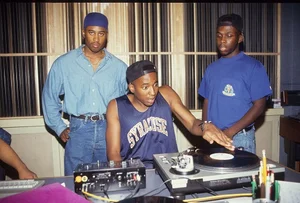
Over the past two years, the titular Soton shooter has been making waves in London's grime, rap, underground and art world as the go-to guy whenever talent or tentpole moments need proper documentation and dynamism. After shooting the likes of Jim Legxacy, Little Simz and Dave, we catch up with Sear in an exclusive cover story to talk all things photography and his creative "cinematic universe" he calls .JSR.

The Culture Crypt Issue V: .JSR. Photos by Patrick Sear.
At 24, Southampton‑born photographer and visual archivist Patrick Sear—also known as .JSR—is quietly becoming the go-to guy when you need a shot to leap out of a lens. There's a humanitarian ethos baked into his work, and a bevy of Instax prints that actively duel the algorithmic borders. From hosting art workshops to standing at the rim of London's cultural pressure cooker with a camera in hand, the .JSR style defies duplication.
Little Simz. Dave. Jeremy Corbyn. Jme. These are just a handful of artists and public figures who've been captured by the magnetic lens of .JSR. Yet, the real marvel lies in the unconventional lifestyle that fuels his extraordinary work.
Sear teaches secondary school physics by day and shoots everything from artist's album art to community portraits by night—a routine he admits isn't exactly NHS-approved. "Honestly, the only real problem is sleep, and I've had insomnia since I was a teen," Patrick tells The Culture Crypt.
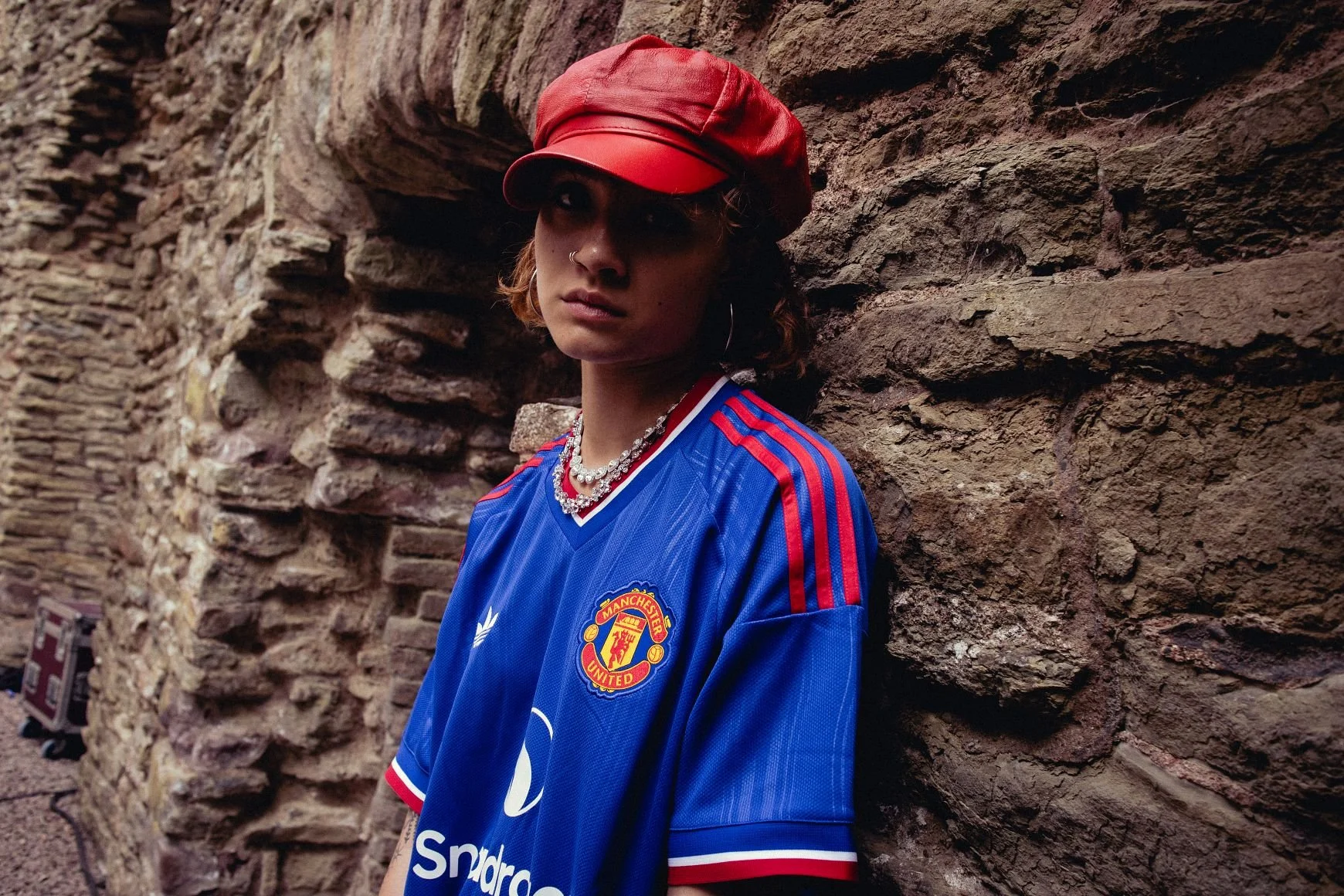
Ledbyher for Manchester United in 2026. Image property of Patrick Sear.
"So I may as well spend the time doing something I care about. I still have mental space for photos after school." He says it half-jokingly, munching on his food, like someone who's laboured over too many 3 AM edits to pretend otherwise.
Sear's time in London has been short—24 months to be exact—but he's moved like someone who's been here for decades. He's teamed up with The North Face, Complex, and an ever-expanding circle of artists and publications. Driven by conviction, he has poured his own resources into supporting Sudan, Ukraine, Yemen, the Jamaican Hurricane relief and funding more than 400 meals in support of Palestine, whilst also braving personal danger to document the Tommy Robinson-aligned London race riots with a boot-on-the-ground-style of photojournalism that rivals even the sharpest of pens.
Then somehow, after teaching a full day of physics, he'll still pull up to a gig and capture a symphony of shots. Case File #1: Sear's museum-worthy snaps of Little Simz perched in front of a live orchestra, conducting the room like a frenetic foreman. Whether it's a grime cypher, a lad enjoying a cheeky Greggs pastry or a community art day, the .JSR perspective has calcified into a cultural linchpin.
In honour of his sprawling archive, The Culture Crypt met Sear for a conversation over some empanadas at Rustic Vegan in Peckham.
The Culture Crypt: What does the word archiving mean to you?
Patrick Sear: "A collection of what's happening right now. Not necessarily what's 'relevant' just what exists in a moment. Anything can be archived, even a restaurant's menu. Put it in a box for 50 years and it becomes an archive. But that doesn't mean everything should be archived. You only learn what's worth preserving when you look back on it—although who is anyone to decide what's worth it?
That's why, when people tell me to make a book, I always say: minimum eight years from now, but hopefully more. A lot of what I do is archival, and it won't have meaning until it's viewed retrospectively. So, stripped down, an archive is just saved things. Culturally, it's a collection of important objects, moments, pictures or videos from a certain time."
What was the turning point for you creatively?
"In December 2023, someone asked me what my goal for the coming year was, and I replied, 'I want to do something with BBK [Boy Better Know].' It sounded a bit vague, but I meant working with a member of BBK. Then in January, I shot a photo of Skepta and [Jeremy] Corbyn on the same day in Genesis Worn sunglasses [a Southampton fashion brand]—it all happened really quickly. Then, in December, I was at DJ Maximum's Max Power Cypher with Jme, Shorty and a lot of other grime legends. It was a crazy way to start and then finish the year. I wanted to do something with them because they just encapsulate the best of British creativity to me."
You've also spoken about your artistic aspirations beyond photography. Can you elaborate?
"Even the riot photography—it's more about the issues in this country and what needs to change. It's not voyeuristic or provocative for no reason. The message matters more than the medium."
“We live in an age where people place so much value on a comment or a share, so exchanging a piece of physical media carries much more weight.”
Talk to me about your wider community of collaborators
"There are so many I could mention, but I need to give a massive shout-out to Emily Stanisavljević for everything she's doing with Art School. She's providing free art education to the community while bringing in some of the best and brightest across all disciplines to share their knowledge. The industry we work in can be extremely intimidating, and the work she does to open doors for others is invaluable. Go check out Art School and the incredible work they do."
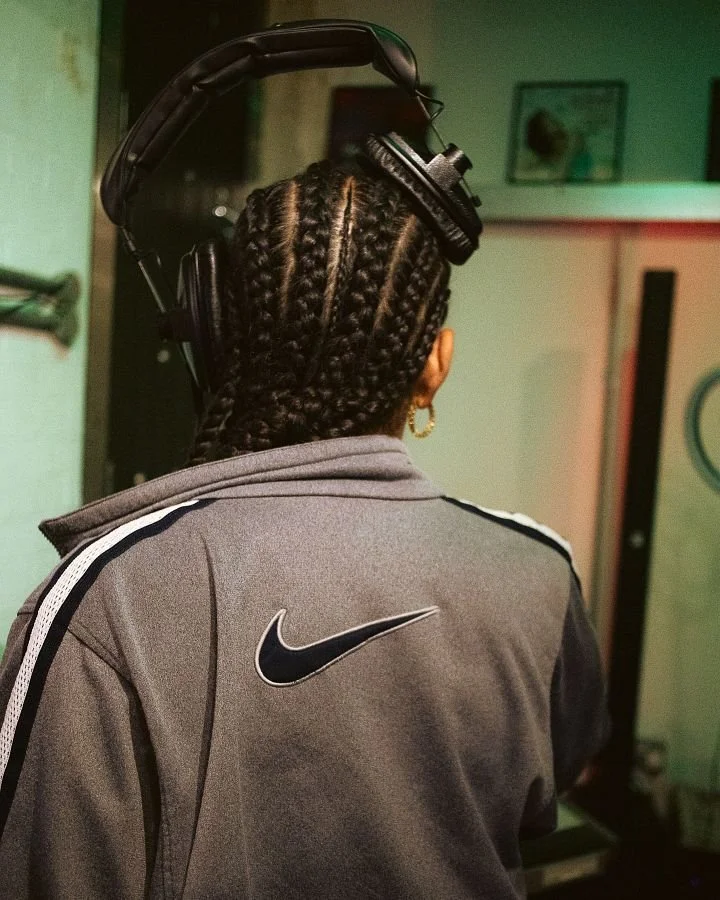
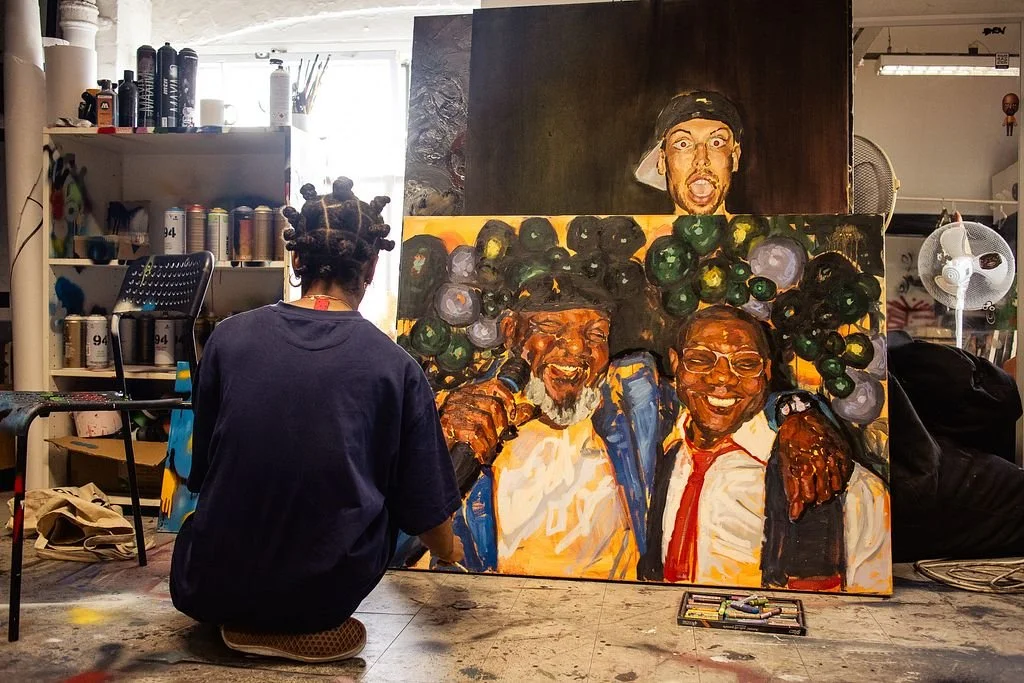
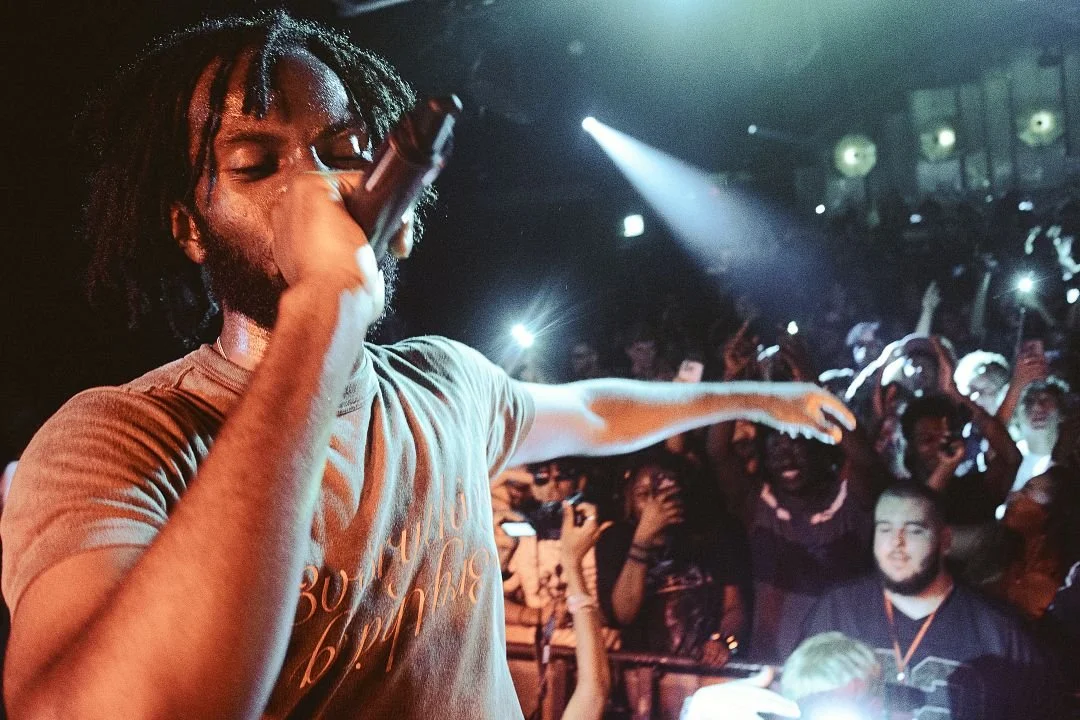
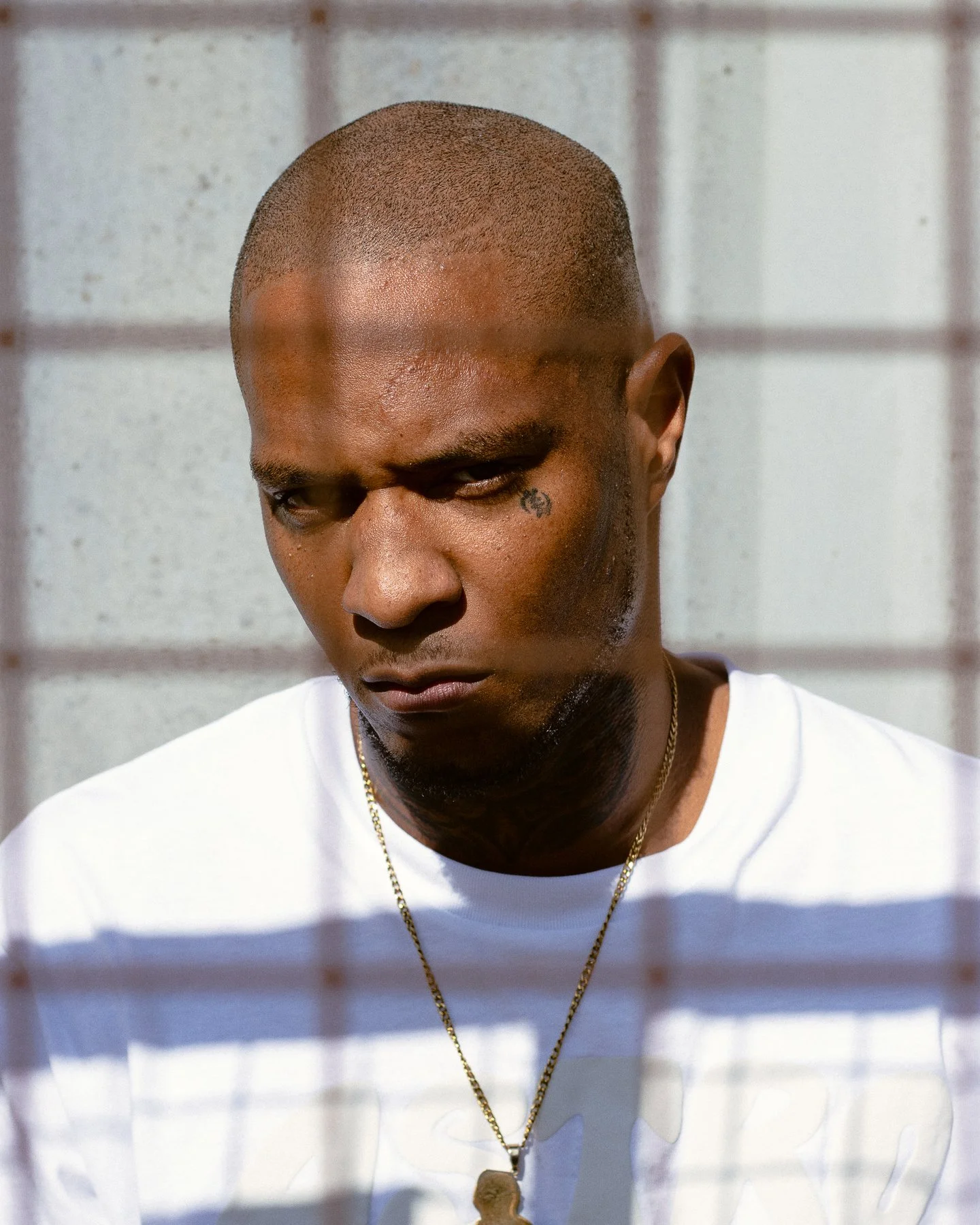
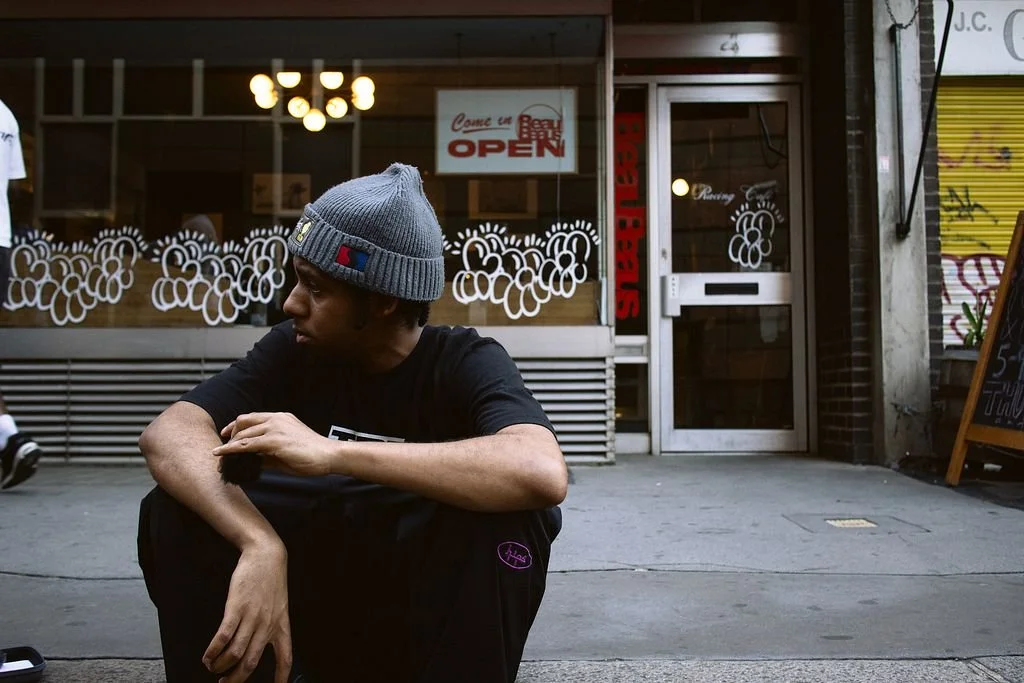
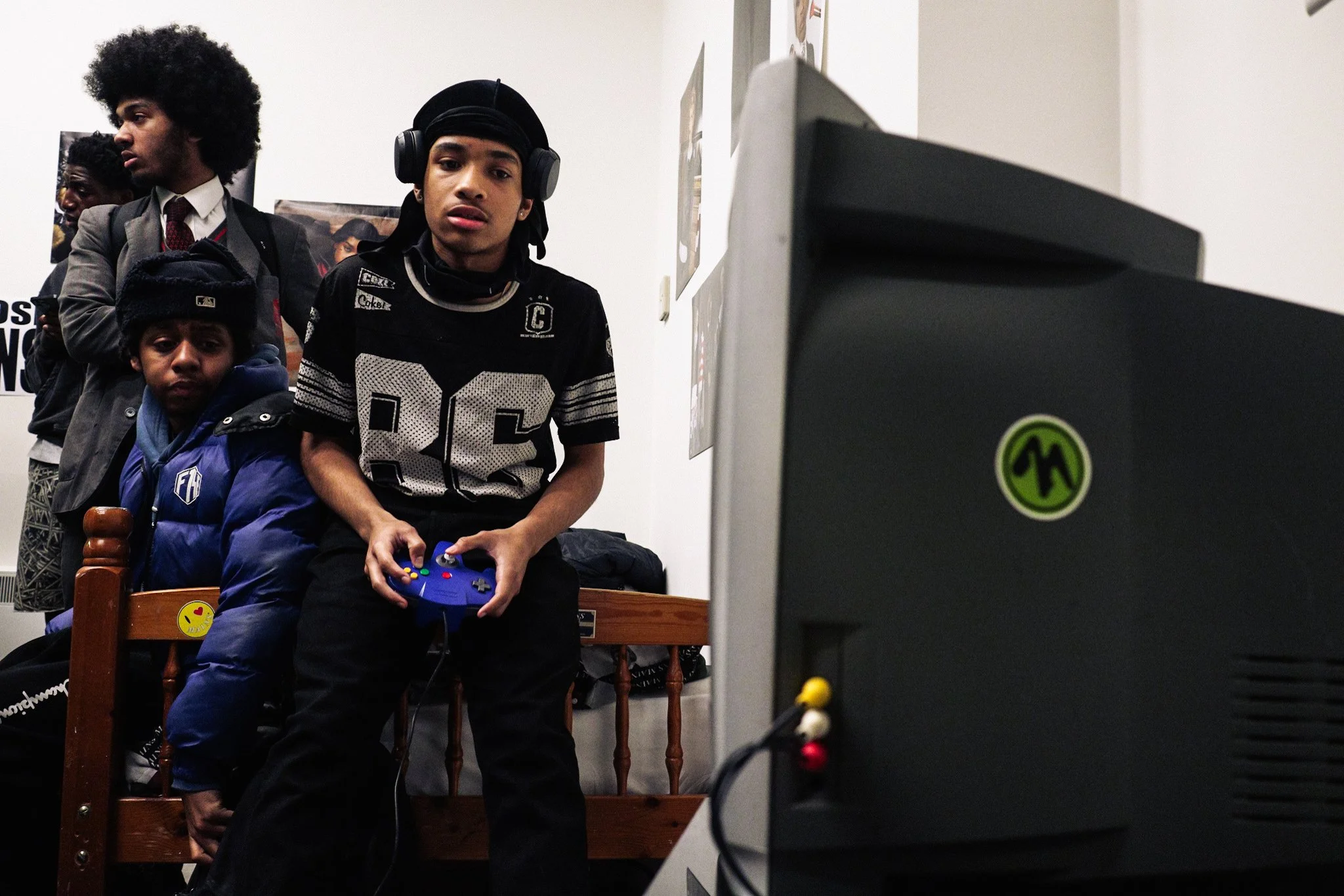
Left to right: JayaHadADream, Teoni Hinds, kwes e, Griminal, Dripset and Skepta's 2025 Mains pop-up.Can you talk about the challenge of managing teaching physics with photography?
"Teaching and photography use different parts of me. Even if I'm physically exhausted after teaching, I still have mental space for photos, possibly even need it. But I know I can't do both forever. My end goal isn't even either; I want to research inequality within the education system. I started photography during my physics degree. I was writing papers on quantum teleportation with 24% attendance, still got a first [laughs], and still managed to shoot. After that, I realised I can juggle most things—metaphorically, not literally. [laughs]."
Building those early relationships was just as important as the music itself. How did those connections shape the way you approach the scene now?
"Those early relationships taught me the importance of genuine connection over just being present. That carried over into photography—the archive I'm building, this limited edition [The Culture Crypt magazine] cover—some of my proudest moments aren't a single shot. My original plan was to save Instax photos, but I started giving them away to people who would appreciate them more than I ever could. That's become the standard for me. Shout-out to Ceebo's manager, Funmi, for the name [of my brand] '.JSR'. Jme said his daughter likes them, BRUZA's team calls me 'the Polaroid guy'. The wedge in the door—the connections I create—that's what matters. One time, I walked into a chicken shop and a couple stopped me because they had photos I took of them on their fridge. Must be over a thousand out there at this point."
And those connections—did they influence how you started using photography in this way, or was it something that developed naturally?
"It developed naturally. There's this little link between all these people with different careers at a range of stages—JayaHadADream, Ceebo, Jme, Skepta, Little Simz, Duppy, the list goes on. The fact that I've given them those photos, even if people don't see it that way or even remember me giving them, I know it's there. The owner of this restaurant has them. That common ownership is this random little thing I can say I did. You can see one in a Persian tea shop next to Bank tube station, a coffee shop in Southampton, wherever Jme keeps his collection. The simple gesture that plants an authentic connection—that's the most important thing to me, not any one-shot or campaign."J
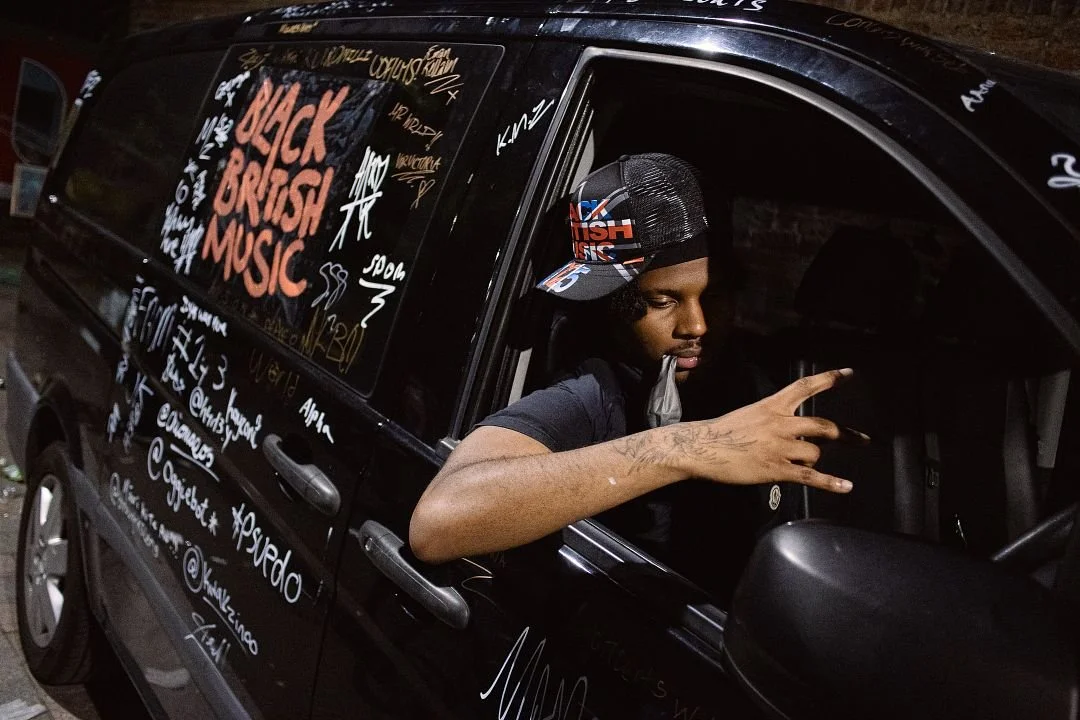
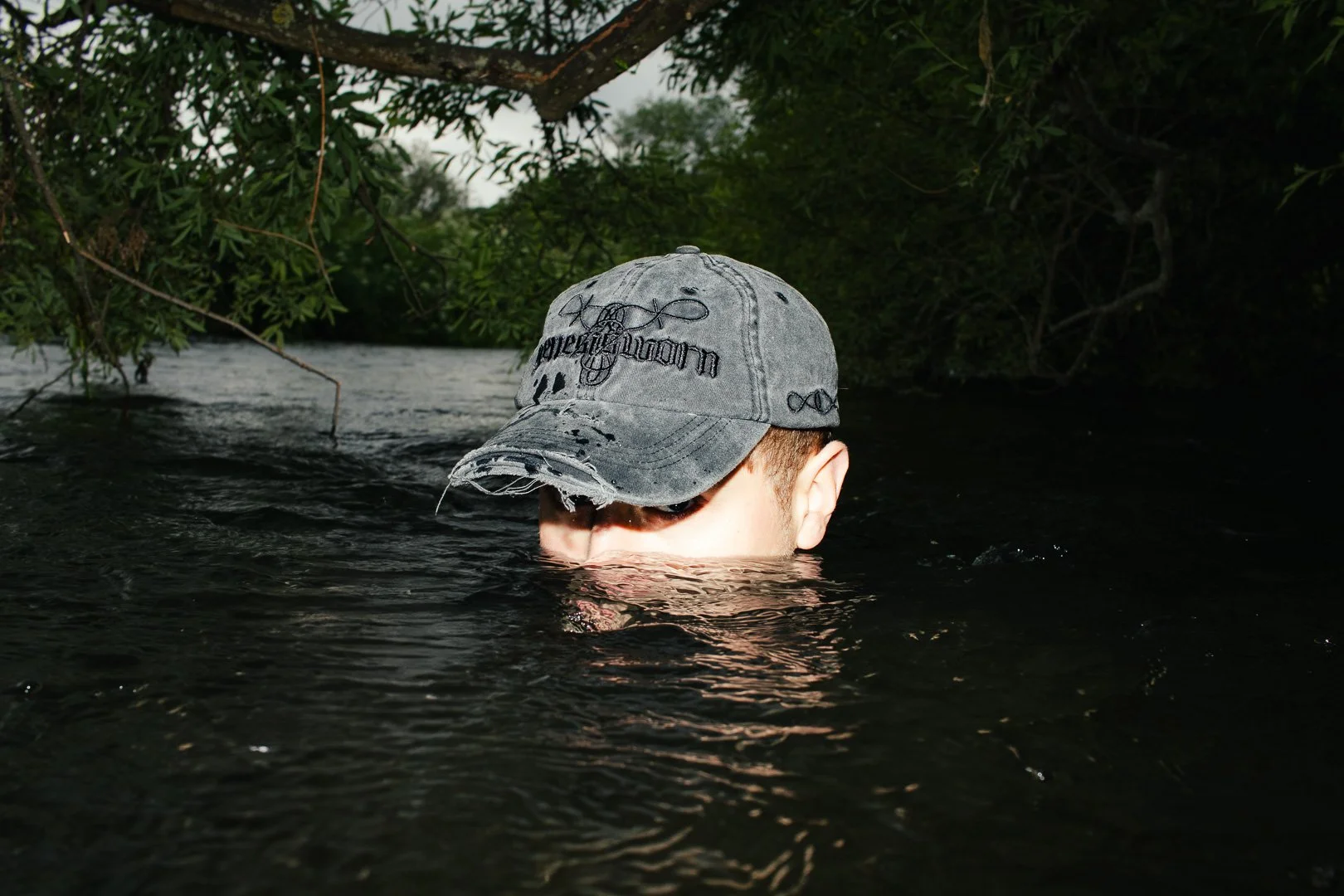
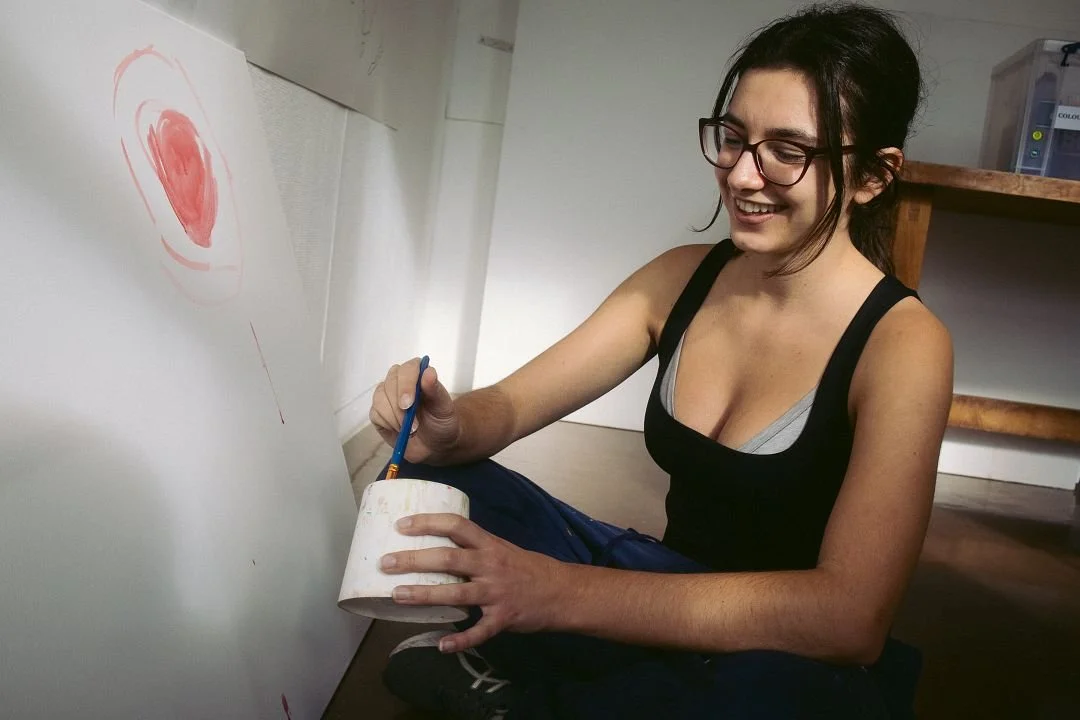
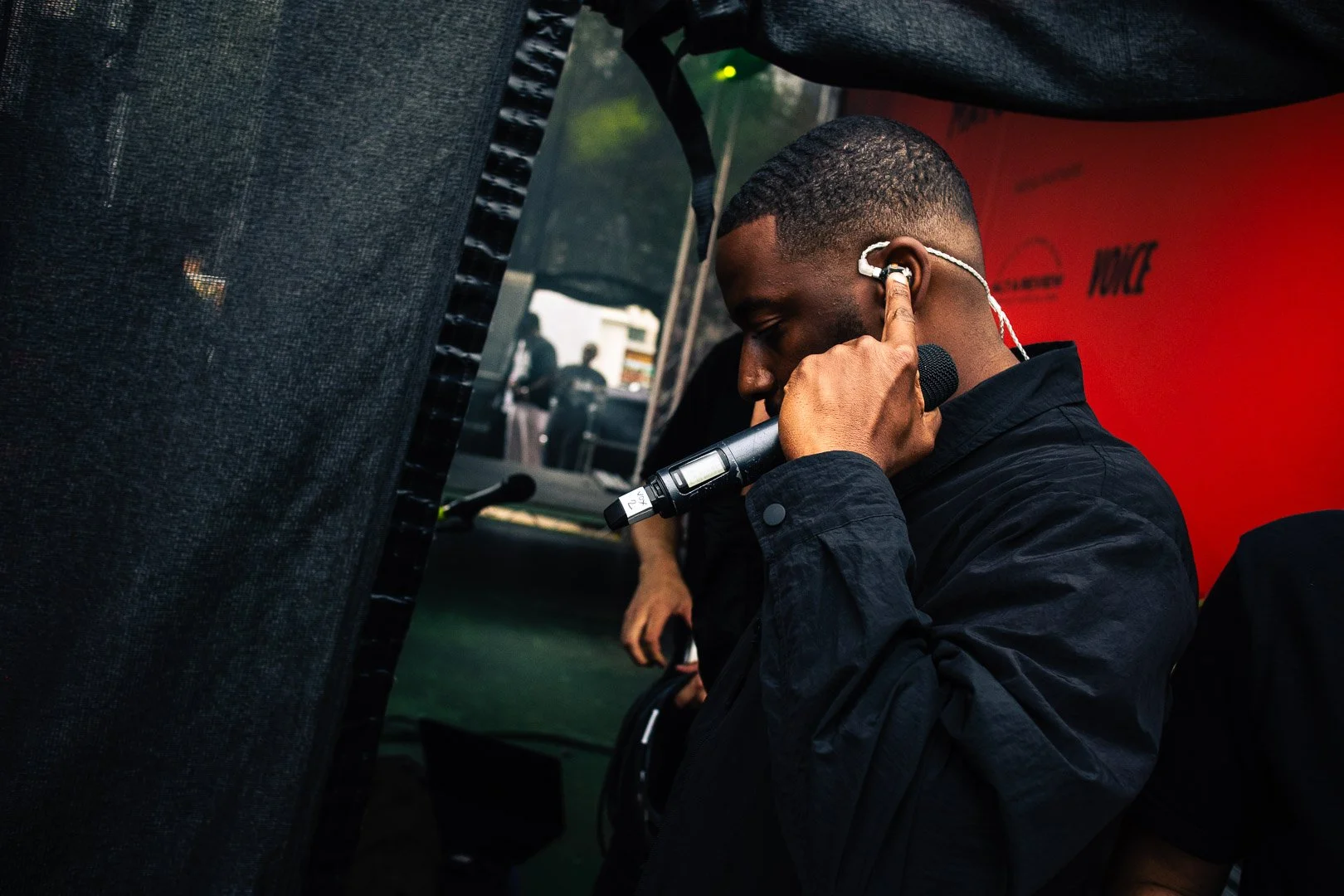
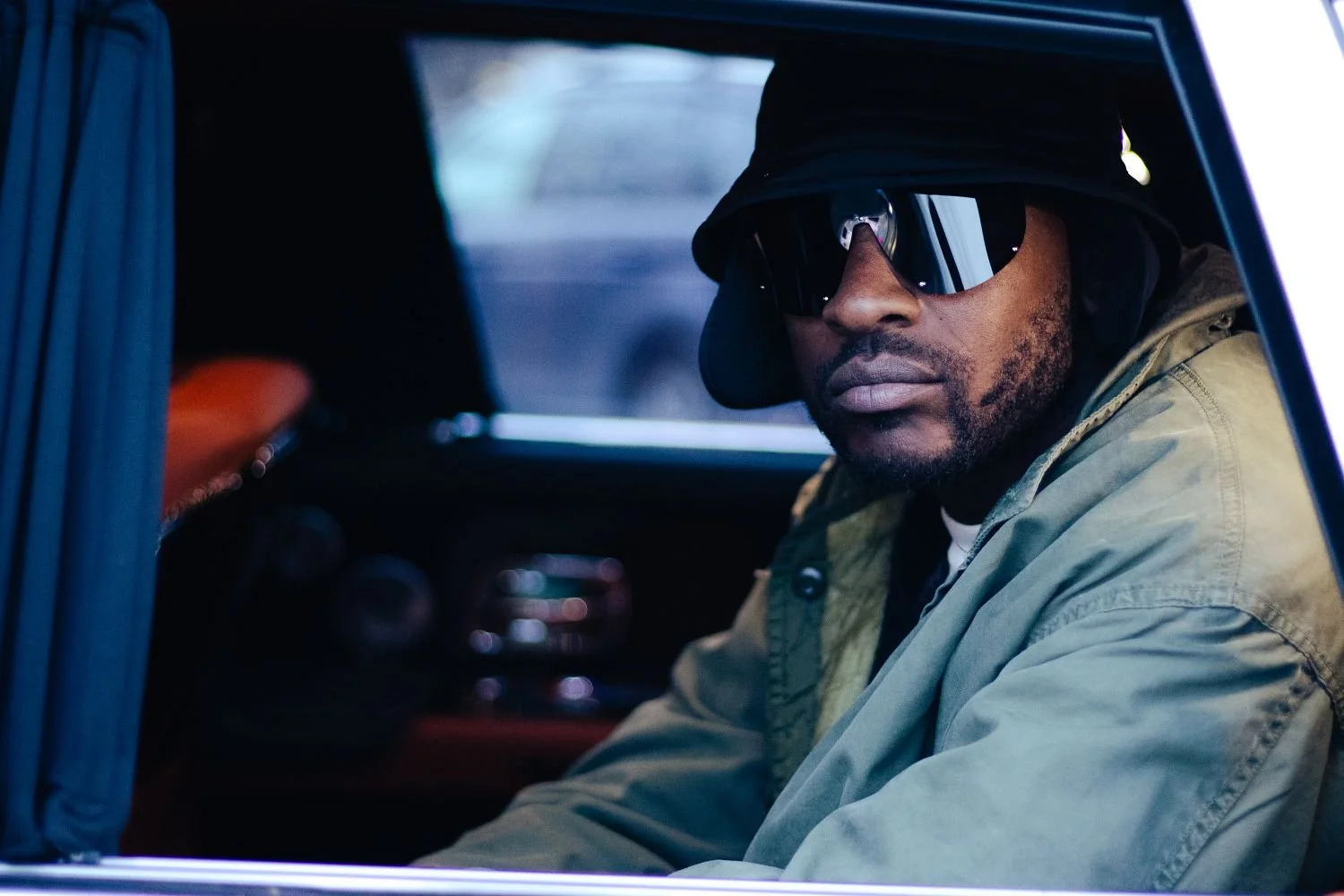
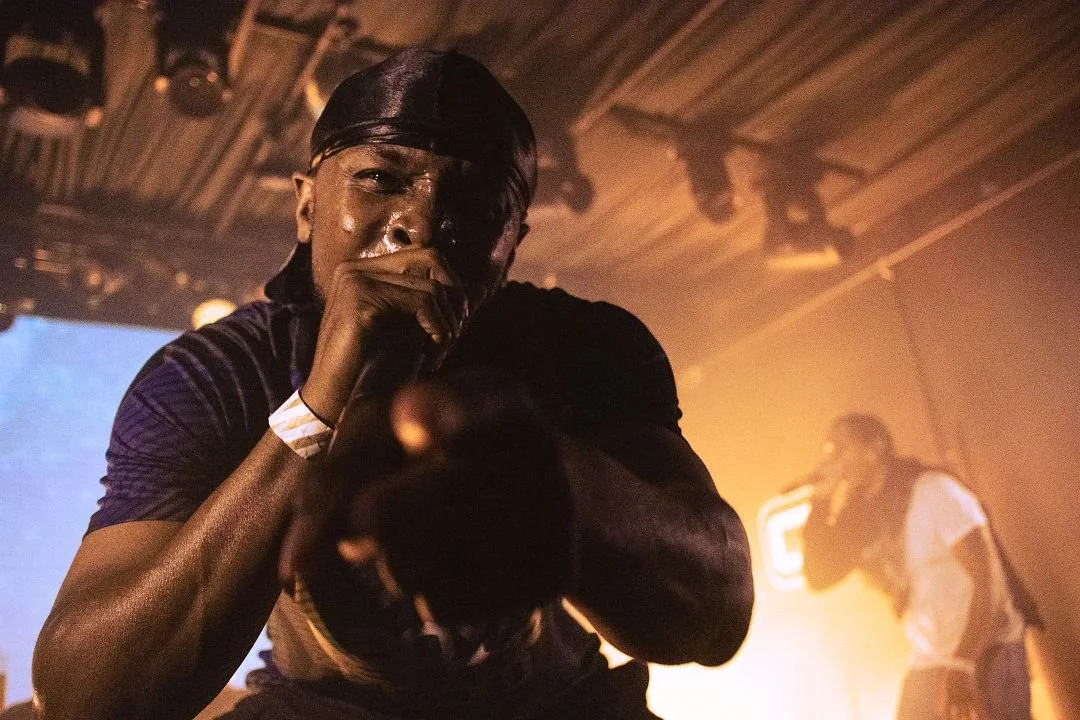
Left to Right: Jim Legxacy, Promo Shoot for the brand Genesis Worn, Emily Stanisavljevic, Bashy, Skepta and Jme.There's a sense of this invisible thread connecting everyone you've worked with. Was that something you planned, or did it just evolve naturally?
"It evolved. I never planned it, but the more I gave out, the more it became this living network, people started getting excited before I even handed [their photographs] over 'cause they knew what was coming. It's not just about the photos. We live in an age where people place so much value on a comment or a share, so exchanging a piece of physical media carries much more weight.Giving them away is as much about creating that connectivity as it is about the images themselves. I want to take this off of social media and find a way to connect communities in person."
What has photography opened you up to in the past 24 months, beyond the art itself?
"The obvious one is relationships—people who once felt untouchable. Not in a clout way, but genuine connections. The first grime artist I really got into was Novelist. Now I've met his mum and she follows me on Instagram. Teenage me would've lost his mind—who would've thought it. Even having coffee with someone like Jeremy Corbyn, people who were just names on a pedestal to me growing up, it feels surreal.
But deeper than that, I don't see a lot of my family. It wasn't always a healthy space for me. So the relationships I've built—from musicians to the owner of this restaurant—mean everything. When I walked in earlier and [the restaurant owner] hugged me, that came from me giving him an Instax photo. Little things like that build real community."
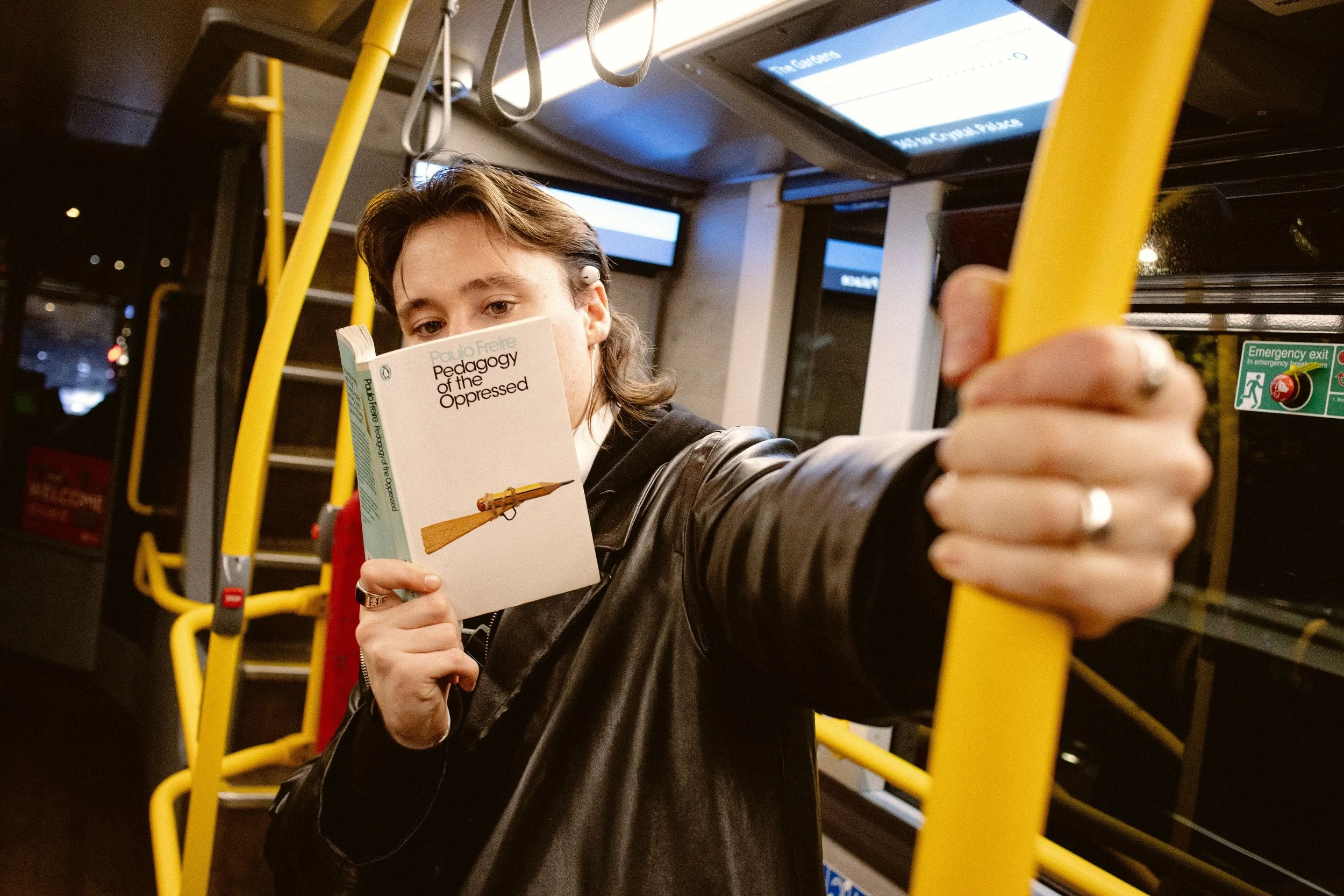
Patrick Sear in 2025. Image property of Olumide Micah Daniel.
Could you say you've now developed your own sort of found family?
"Yeah, for sure. Now, when something good happens, the people I tell first are people I didn't even know a year ago. I lost my nan this year, probably the closest bond with blood family I had, and without photography and the people I've found from it, I'm sure I would've spiralled. It didn't give me 'something to live for,' but it gave me focus, direction, and a sense of connection I didn't always find where I should. Growing up, I was distracting myself by doing dumb stuff and getting into dangerous situations, and I became a bit numb."
I've also met some bizarre characters over the years, so 'networking' doesn't feel like networking. I don't work with people I don't genuinely connect with. It's just socialising. I also happen to have a camera."
How do you see .JSR evolving from here?
"I see it continuing to link me to people in unexpected ways. Every photo I give is a thread, and those threads keep forming this wider network of connections I hope to bring together—it could be through events, workshops or mentoring, but we'll see. I definitely want to get to a place where I can open doors for others. That's what I find most rewarding—the potential for real impact is bigger than any single shot."
Stay up to date with Patrick Sear on social media here.