

Iron Sharpens Iron: Mr Eazi and King Promise Unite As Brothers
Mr Eazi and King Promise are back. In their joint album, See What We've Done, Nigeria meets Ghana and friendship becomes brotherhood—this is a 13-year bond distilled into one record and two legacies united as one.
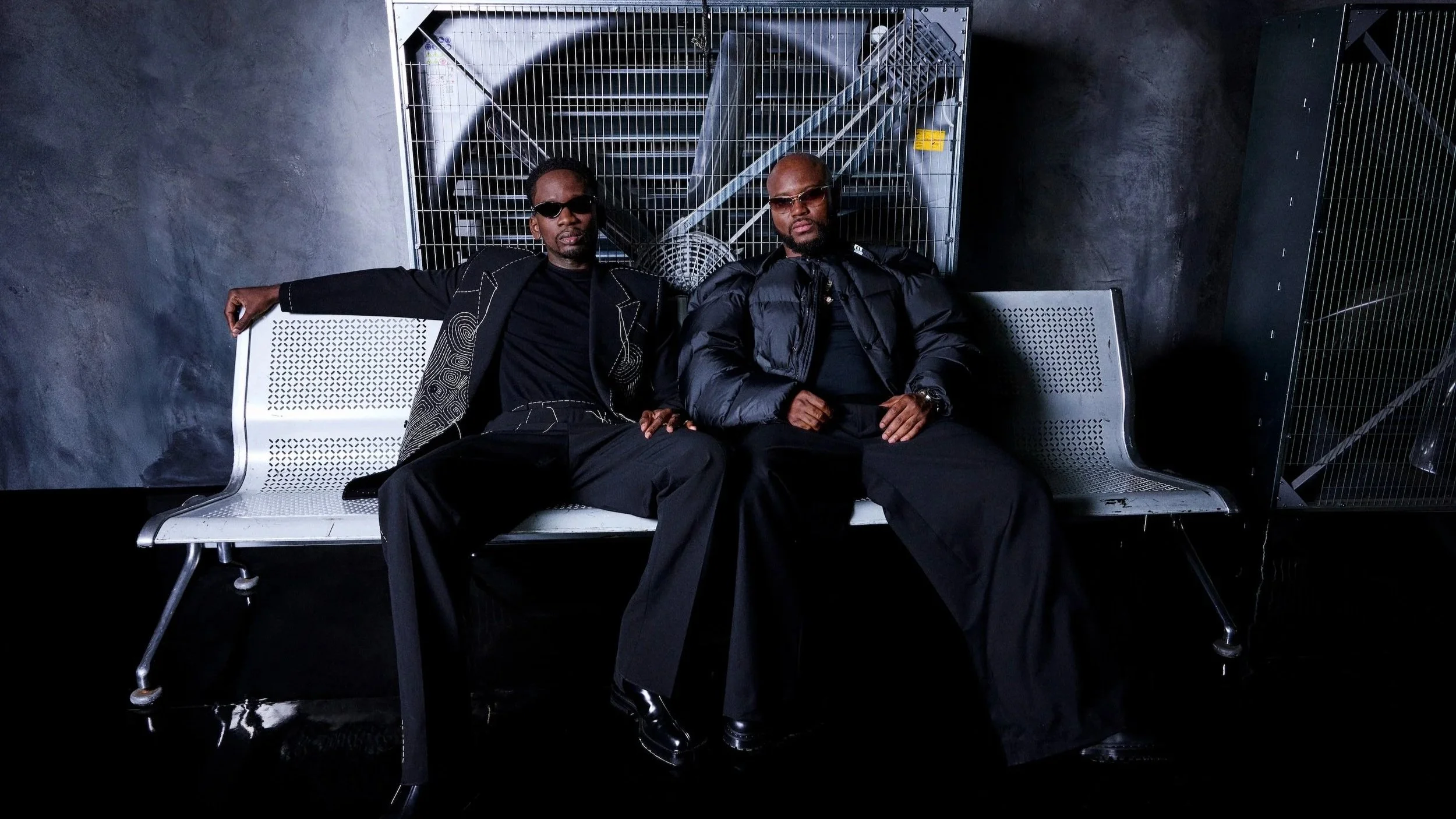
Mr Eazi and King Promise in 2026. Image via Press.
See What We've Done takes itself personally—a sentimental thread is stitched throughout the tracklist of this long-awaited joint album from two beloved Afrobeats pioneers, Mr Eazi and King Promise. The duo focus years of musical synergy into a statement of brotherhood, built on intention and layered with memories. But See What We've Done embraces joy, nostalgia, and gratitude, showcasing a true legacy without relying purely on nostalgia as a gimmick.
Personal meaning and genuine memories are folded into the core of the album. Take the music video for the project's title track, set amid the romantic chaos of Mr Eazi and Temi Ajibade's 2025 wedding, exclusively profiled by British Vogue, shot in black and white and coloured entirely by emotion.
In the album's breakout hit, "That Way," an interpolation of the Backstreet Boys' 1999 favourite "I Want It That Way" sees the duo infuse a nostalgic boyband energy through a contemporary African lens. "Mariana" follows this pre-established romantic poise with its gentle drum rolls, light string elements and airy synths. The accompanying video set on a beach enhances the album's holiday-like atmosphere, deepening the LP's sun-speckled lore.
Comfortably leaning into genre expansion, the album traverses highlife, R&B and Afropop influences, taking us on a sidewinding journey that mimics Eazi's expeditions across West Africa during Detty December—a term he coined for end-of-year festivities in the region.
The Culture Crypt chats with Mr Eazi and King Promise, who join from completely different time zones—but the chemistry is instant. They finish each other's thoughts, trade ad-libs on each other's stories, and quickly transport us back to 2013 Ghana, into the makeshift studio where their bond first took shape, before guiding us through the moments and milestones that brought them here.
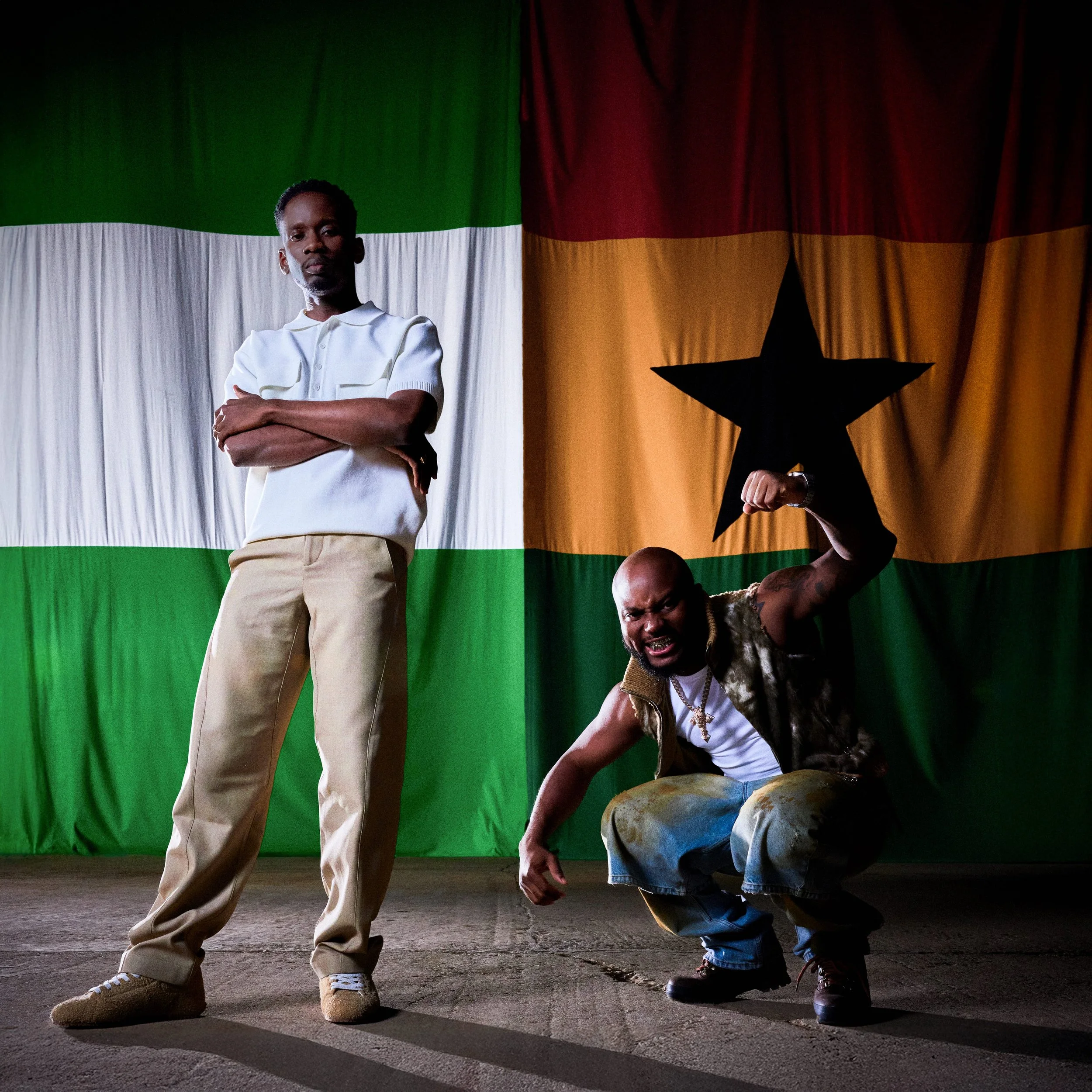

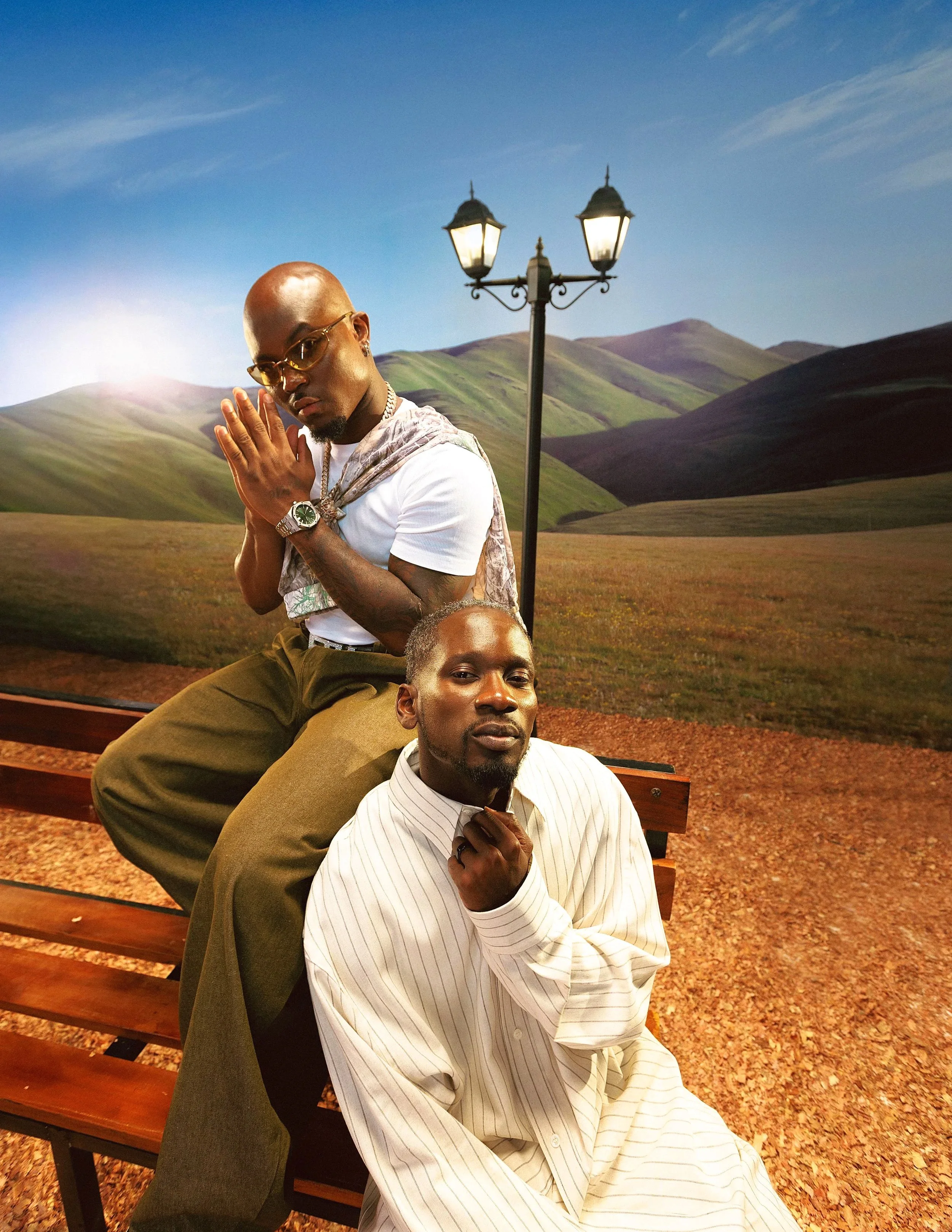
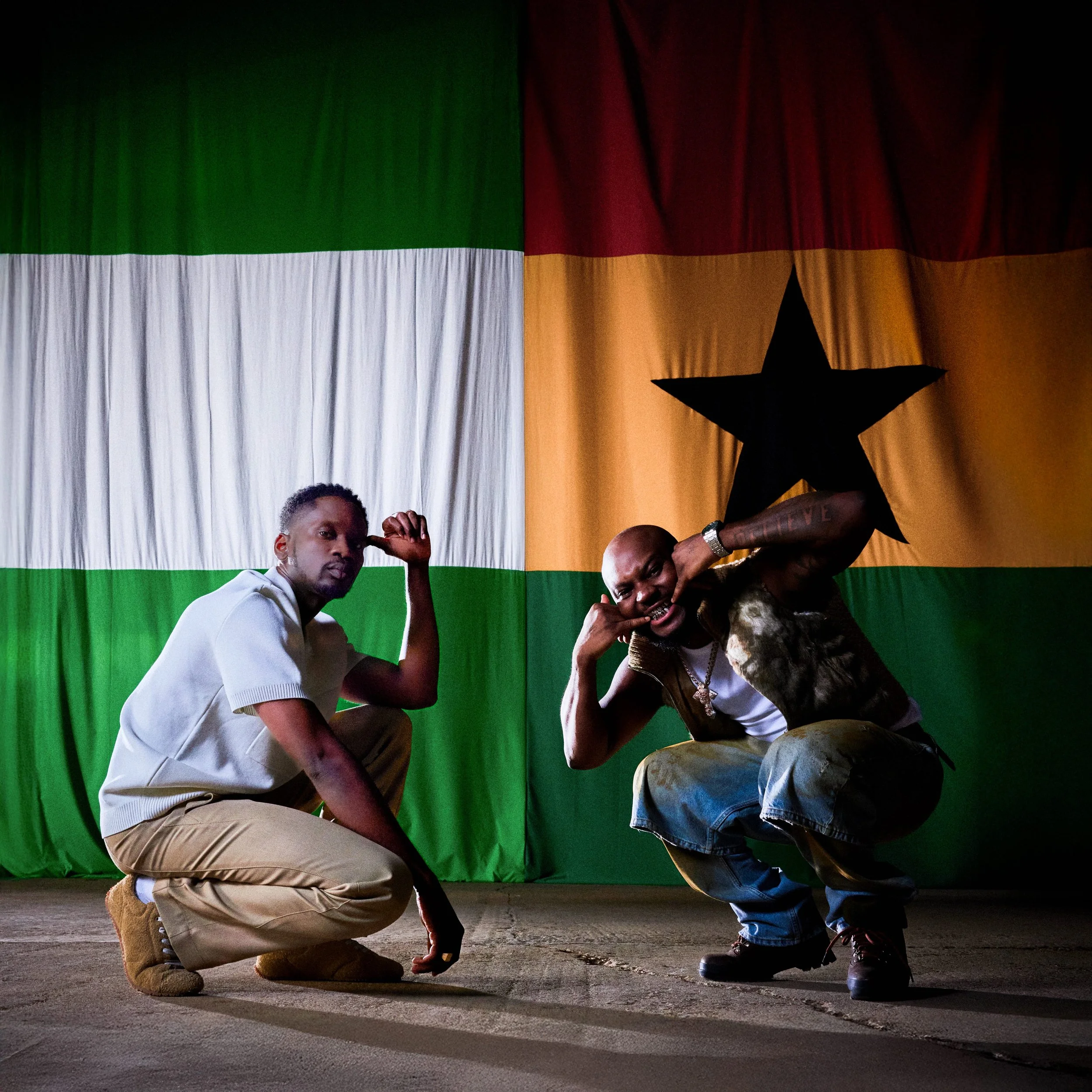
The Culture Crypt: Let's get into your friendship. How did your relationship form?
Mr Eazi: "We met in 2013, in the studio. Well, technically a bedroom. Back in the day, studio time was expensive. We had this friend who'd let us record in his house. We met one day, made a couple of songs that we didn't release, and we've been brothers ever since."
King Promise: "That day, we wrote a song called 'Hallelujah'. That's like, what, 13 years ago? I was just about to start university, and Eazi was already there. He had a mixtape he was working on called About To Blow, which he spoke into existence because he became successful right after that. I was focused on my craft at the time, so we stayed connected. We released a few tracks over time, such as the 'Oh Yeah' remix, 'Dahbabi', 'Baby I'm Jealous' and now here we are."
What do each of you bring out in the other artistically?
Mr Eazi: "We've got different styles but we rub off on each other. It's just a link-up that works. They say 'iron sharpens iron'—it's like a form of musical chemistry."
King Promise: "We're both great musicians but we're friends first, and that's what led to this project. If I were going to do a joint record, it had to carry real weight. We don't mess with the kind of music that's manufactured by labels: this is authentic, lived-in music."
“We’re both great musicians, but we’re friends first. This is authentic, lived-in music.”
How did you approach turning a well-known pop melody into something that still feels original within an Afrobeats framework?
King Promise: "I thought about something I'd done before on a song called 'Favourite Story' where I sampled 'Aso' by this Ghanaian highlife artist called Kwabena Kwabena. So, I took it a step further and sampled a '90s boy band. Once we played 'That Way' by Backstreet Boys, it spoke to me instantly. Then I linked up with GuiltyBeatz and JAE5 and got to work."
How did you guys manage to clear such a major classic as a sample?
King Promise: "Everyone was asking us this. People around us couldn't believe the idea. But I said, 'We're going to clear it because we have to.' I felt like we were well within our capacity to do it, and of course, with God being good, the sample process was smooth. We had to do it for the culture. Imagine two boys from West Africa reinventing a '90s pop staple and creating a hit like 'That Way'. This sample was a push to make a point."
Can you talk us through that Backstreet Boys flip?
King Promise: "It's technically an interpolation. I wanted a sexy Afrobeats record, sampling a boyband classic but making it distinctly West African in its delivery by marrying our flow with the original. Big shout-out to GuiltyBeatz and JAE5 for understanding that vision. Together, we just brought it to life. Same heart, new pulse."
How is nostalgia shaping African music at the moment, if at all?
Mr Eazi: "The reason we love the nostalgia in that record is that it takes us to a place—it’s not just the music. I wouldn't say this is unique to Afrobeats. But whenever it clicks, it's magical and that bridges continents. There's space for both the old and the new."
How would you define this album?
King Promise: "The album is fun and real, that's how I'll define it. It's real because there's a vulnerability in our friendship, but also fun because we enjoy ourselves and don't take everything too seriously."
Mr Eazi: "He's said it perfectly."
Why was it important for "See What We've Done" to be anchored in such a personal moment, like Mr Eazi's wedding, and what does that setting add to the song's message?
Mr Eazi: "That was a real 'See What We've Done' moment. Two guys who started out chasing their dreams, now 13 years into successful careers, with one of us even stepping into a new level in that journey.
It wasn't planned either. We were on the way to the church when Promise told the videographer to start recording, and it all came together so naturally. It captured the essence of the entire album, not just the track. Honestly, we could have dropped the entire project that day because it felt like a full-circle celebration of our friendship and everything that's led us here."
Mr Eazi, it's been about 10 years since you coined the term Detty December. Looking back, how do you feel about the impact it's had on West African nightlife and tourism?
Mr Eazi: "Wow, has it really been 10 years already? What's crazy is that I'm hosting the biggest Detty Rave in Accra this year. We're moving into a bigger venue and planning something truly special. It feels like a real full-circle moment, going from ideation to execution over the past decade, and now building infrastructure that can support the movement long term."
Where do you see Detty December going next—has it peaked, or is there still more evolution to come?
Mr Eazi: "As our music and lifestyle become globalised, people will travel where the music is made, and December is the perfect time. It's also about exploring West Africa. December is about returning home to celebrate the season. More than parties—people host open houses, feed their neighbourhoods, and attend weddings. If all you did was party, you haven't really experienced Detty December."
Stream See What We've Done below: