

Rooted In Reggae: Haile Finds His Way Home
After shaping UK music as one-third of WSTRN, Haile is stepping into his own riddim. In the dawn of his debut solo project Spare Room, a timeless and nostalgic reggae offering, Haile opens the door to his truest self and warmly welcomes us in.
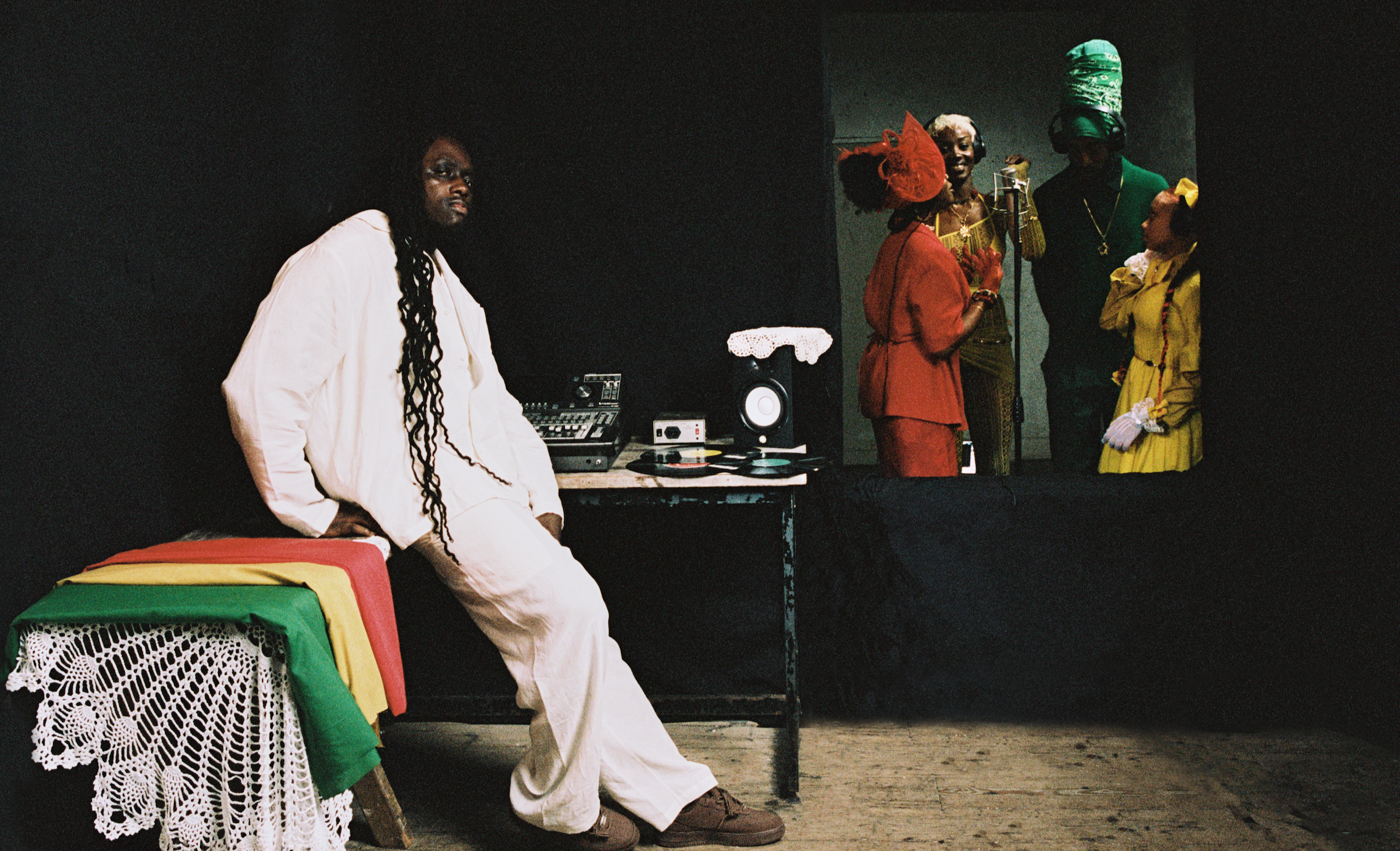
Haile. Image via Press.
The year is 2015. As a fan of the UK soundwaves, WSTRN is the name on your lips. At just 19 years old, resident vocalist Haile's sweet tones flow through your headphones, blare through your speakers, and blast through the sound systems of those warm, smoky club nights. "You'd be lyin' if you said I wasn't somethin' that you're into,"—this is the mantra, plucked from the group's chart-storming, now double platinum, debut single, "In2".
2015 comes and goes, but WSTRN remains. With their melodic rap bars and tuneful hooks infused with R&B, Afrobeats and dancehall inflexions, they rightfully become an emblem of UK music; a sign and the sound of the times. The trio—made up of Haile, his cousin Akelle Charles, and their friend Louis Rei—captures the texture and charm of UK urban music, curating a sound so enticing that it crosses over into the mainstream.
With hits like "Txtin'", "Ben' Ova", "Wonder Woman", and their featured track "Vice Versa" with OneAcen etched deep into the headstone of contemporary Black British music, WSTRN provide the soundtrack to many core memories of the mid-2010s and early 2020s.
Fast forward to 2025, and you'll find that the beloved trio are taking a gentle hiatus, embracing the opportunity to explore personal endeavours, which brings us to today, where The Culture Crypt sit down with Haile as he embarks on pastures anew. "My WSTRN chapter set me up for where I am now with my solo season—I think it shaped me a lot."
Despite previously exploring solo work through songwriting and features with an array of artists, from GoldLink to Kranium to Headie One, Haile is finally taking centre stage. "Going from doing certain parts of a song to a whole record is a new experience for me. It gives me the freedom to really express myself, to really give people an insight into who I am and my journey."
And fittingly, in an ode to himself, Haile's debut solo project, Spare Room, is a heartfelt distillation of his roots and upbringing. Honouring the sounds of his heritage, he is sidestepping the popular practice of genre-fusion and staying true to the music that made him—this record, in his own words, is "pure reggae music, this is pure lover's rock."
Spare Room is thus a love letter to the islands and a sonic expression of home—a nostalgic and timely work that draws deep inspiration from Haile's Grenadian and Guyanese roots—and a family affair, entirely produced by his blood brother and superstar producer, PRGRSHN.
Through the music, we consume the warmth, the heart and the soul of the islands, whilst cutting right to the core of Haile in a way that we never have before.
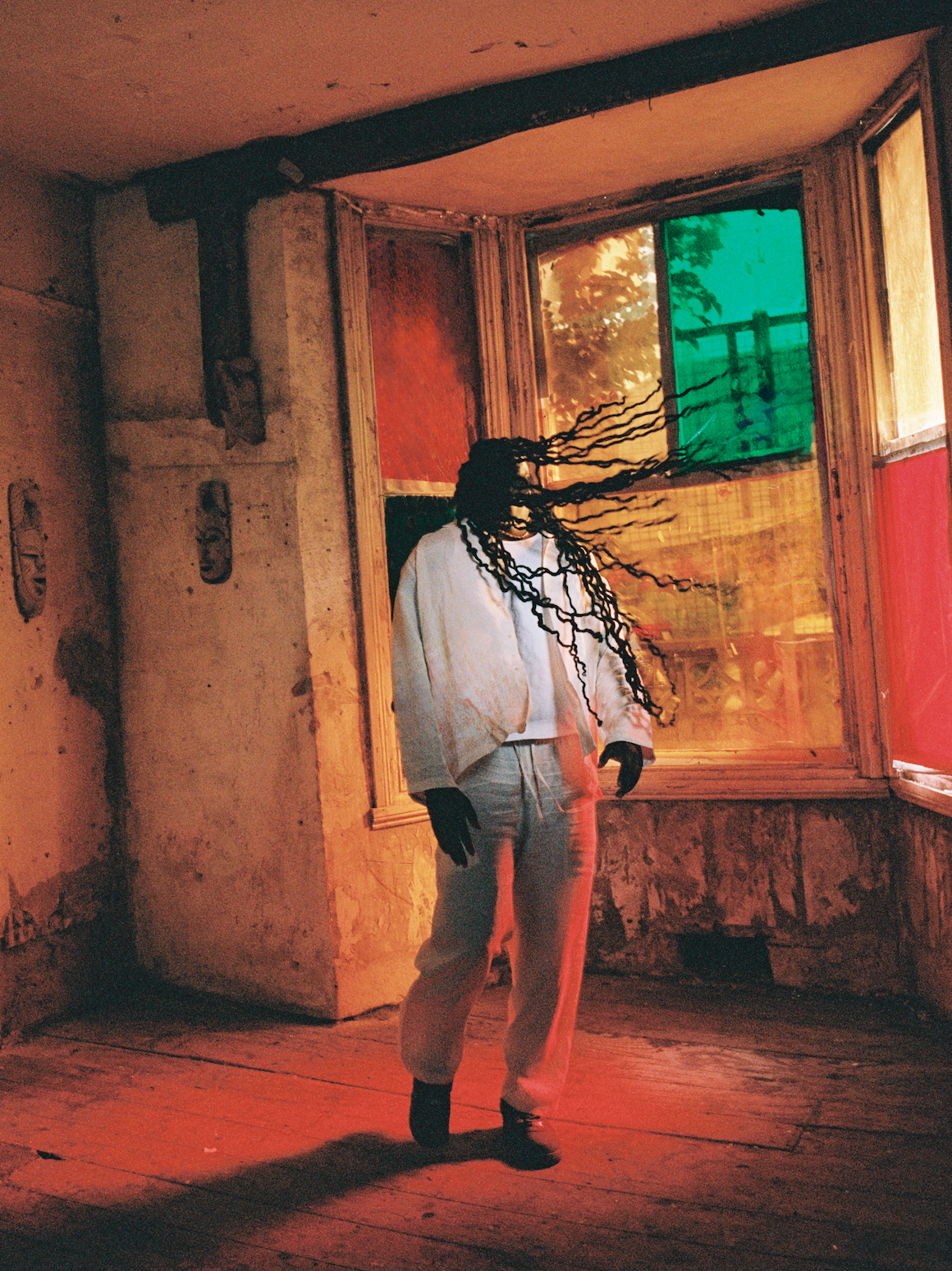
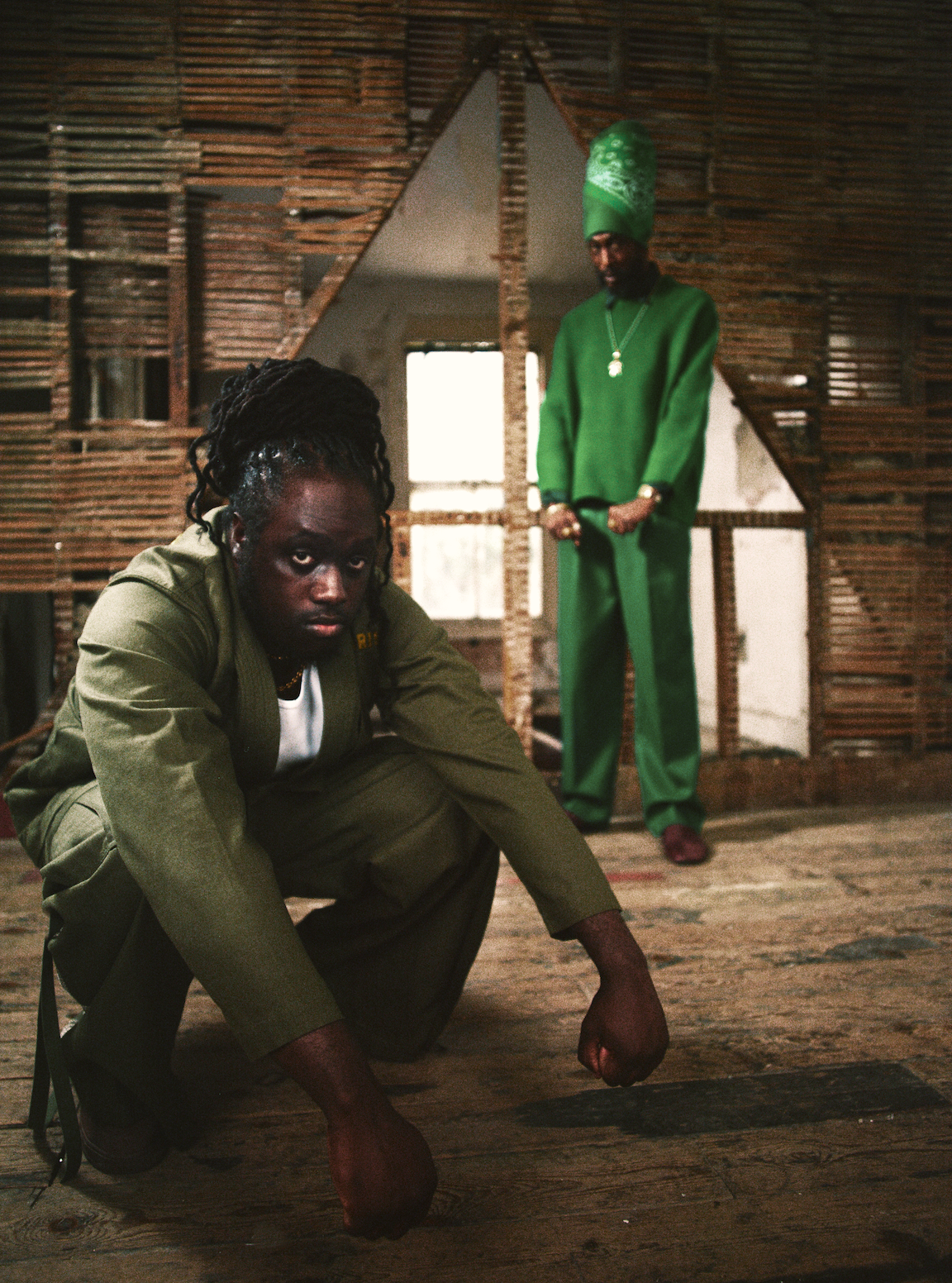
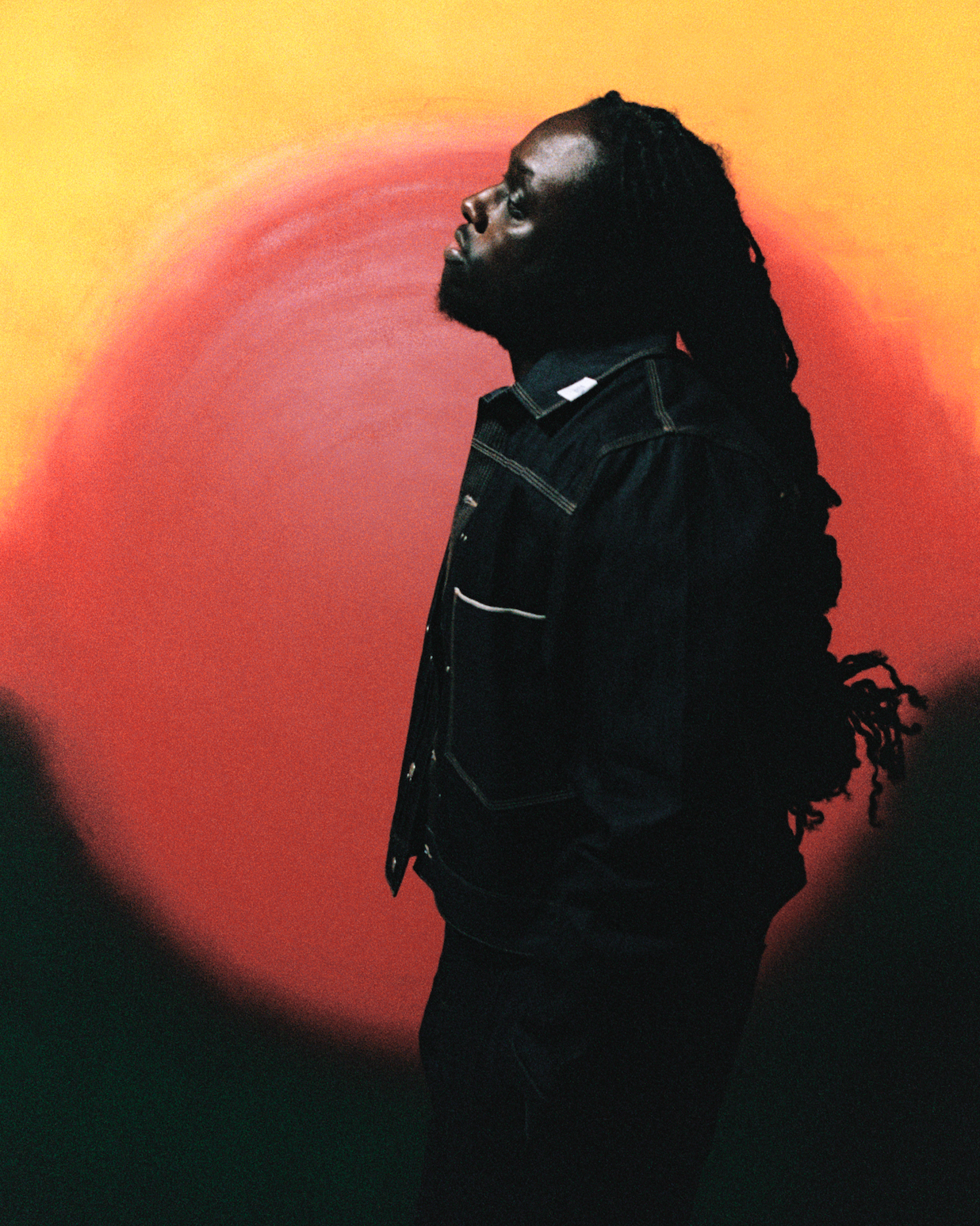
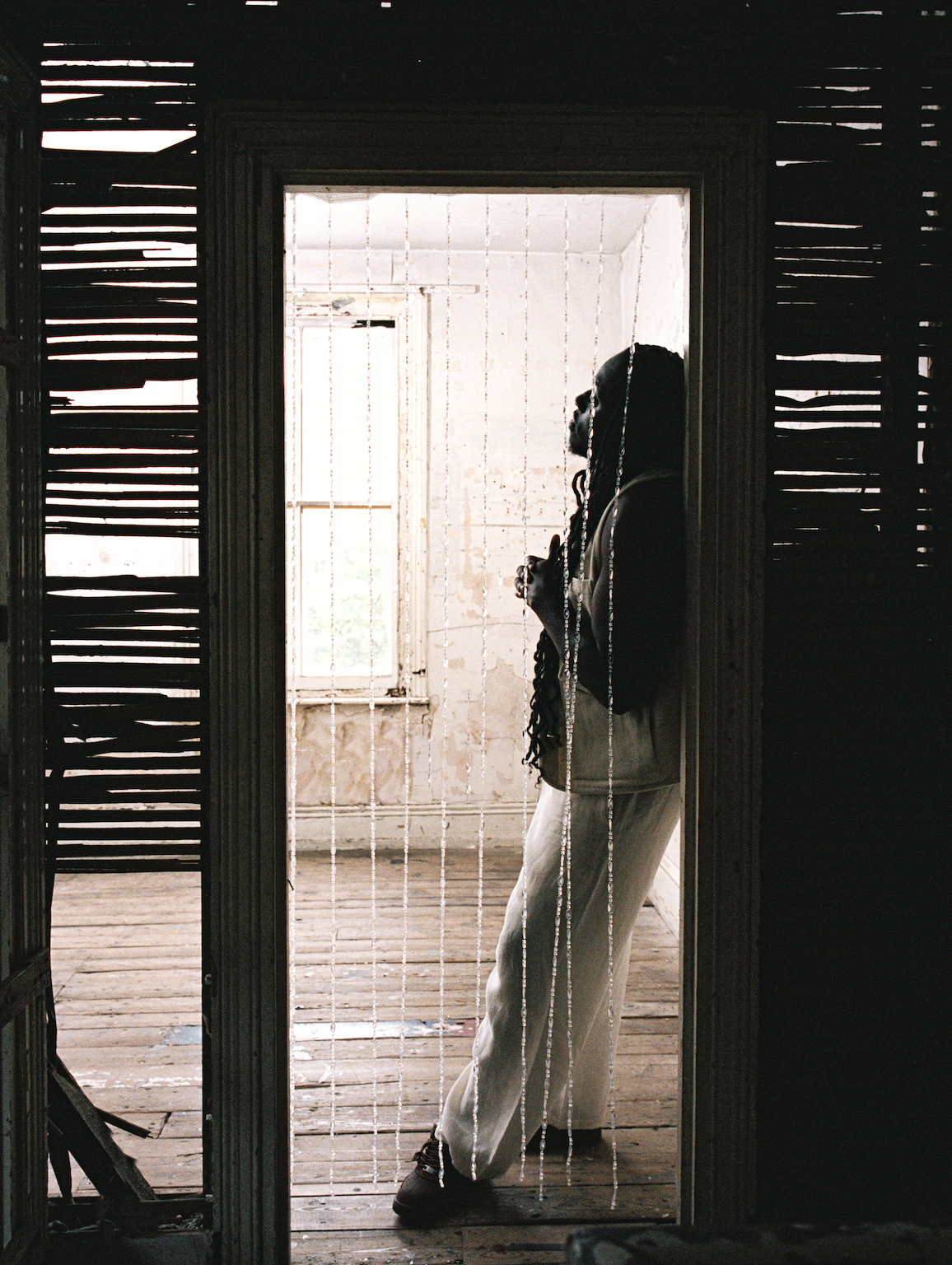
The Culture Crypt: How does it feel to be releasing your first solo project?
Haile: "It's been a long time coming. It's definitely a special moment for me because it's something that I've always wanted to do at some point in my career. I feel like nothing happens before its time and I took my time with this one. It's definitely quite different to what people know me for, but it's the most true to who I am, and I feel like it is a great entry point into my solo career. So, yeah, man, I'm excited."
Ten years following the birth of WSTRN, what made now feel like the right time to spread your wings?
"After the last WSTRN tour, we all had a conversation and decided to indulge in our individual careers. Not splitting up, not at all. But it got to a point where I felt like people knew the music more than they knew us, and the only way for people to get to know us more as individuals is to explore our individual journeys. As WSTRN, we all represent one thing, which makes WSTRN. But as individuals, we all represent different things too, and I wanted to show that through my music."
When you reflect back on your journey with WSTRN thus far, what are the greatest lessons that you've learnt?
"I would definitely say that it's important to trust your gut, trust your intuition. When you're new to the game, it's easy to get sucked into making decisions that aren't your own. It's important to know who you're speaking to—once you have an audience and your music is resonating with them, you are now the voice of those people. So I feel like you have to be consistent in what you do and just keep going."
So tell me more about the birth of your debut solo project, Spare Room
"I wanted to create a modern-day classic. Something that felt like home, you know—the scent, the colours, the morals, principles, wisdom, recipes, conversations, traditions. The feelings, music and belief systems. The type of music that you hear on Spare Room is the type of music that I grew up with. The type of music that I listen to, the type of music I embrace, the type of music that is true to myself and feels organic."
What does the name of your EP represent for you personally?
“Culturally, I grew up in a Caribbean household. I wanted to make something that felt like home, like a safe space. WSTRN was part of my identity, but the core of my identity is my home. Home can be represented by what I grew up on, from reggae and lover's rock, down to the food that was cooked and the environment that I was in, to the people that used to come and visit the house, all of those things. I wanted to recreate that feeling in my music, song by song.
When you listen to the music, I want it to give you a nostalgic feeling with a modern approach. For me, the title 'Spare Room' is saying that wherever you go on your journey, whenever you want to come back home, there'll always be a spare room and it'll be the same as when you left it."
That's beautiful. Talk to us about reggae
"It means a lot to me. I feel like it's definitely formed me as a person, even the messages within the genre. It just gives a certain vibration that passes through you, it's positivity and righteousness and wisdom and all of that. I feel like it can make you a better person. Constantly being around that and growing up with reggae means it's gonna come up in my music, whether conceptually or sonically."
“I wanted to create a modern-day classic. Something that felt like home… The type of music that I grew up with... This is pure reggae music, pure lover’s rock.”
Can you tell us more about your heritage?
"So my mother's side is Grenadian and my dad's side is Guyanese. I embrace both sides. I grew up in a household where I was exposed to two different cultures, and I also have a lot of family around the world. I think I'm very connected to my cultures. I go back home a lot, too."
And how do your West London roots influence you?
"Growing up in such a multicultural area meant that, by default, I was taking in different cultures. At school, I had friends from different cultures, so you'd subconsciously pick up specific slang and ways of speaking from others, and vice versa.
That side of me, in terms of the London aspect, will always come out through the music to some degree. Yes, I have Caribbean heritage, but I was born here, so, of course, I'm going to have some London aspects come through in the music or the words I choose. That will always be part of me, for sure."
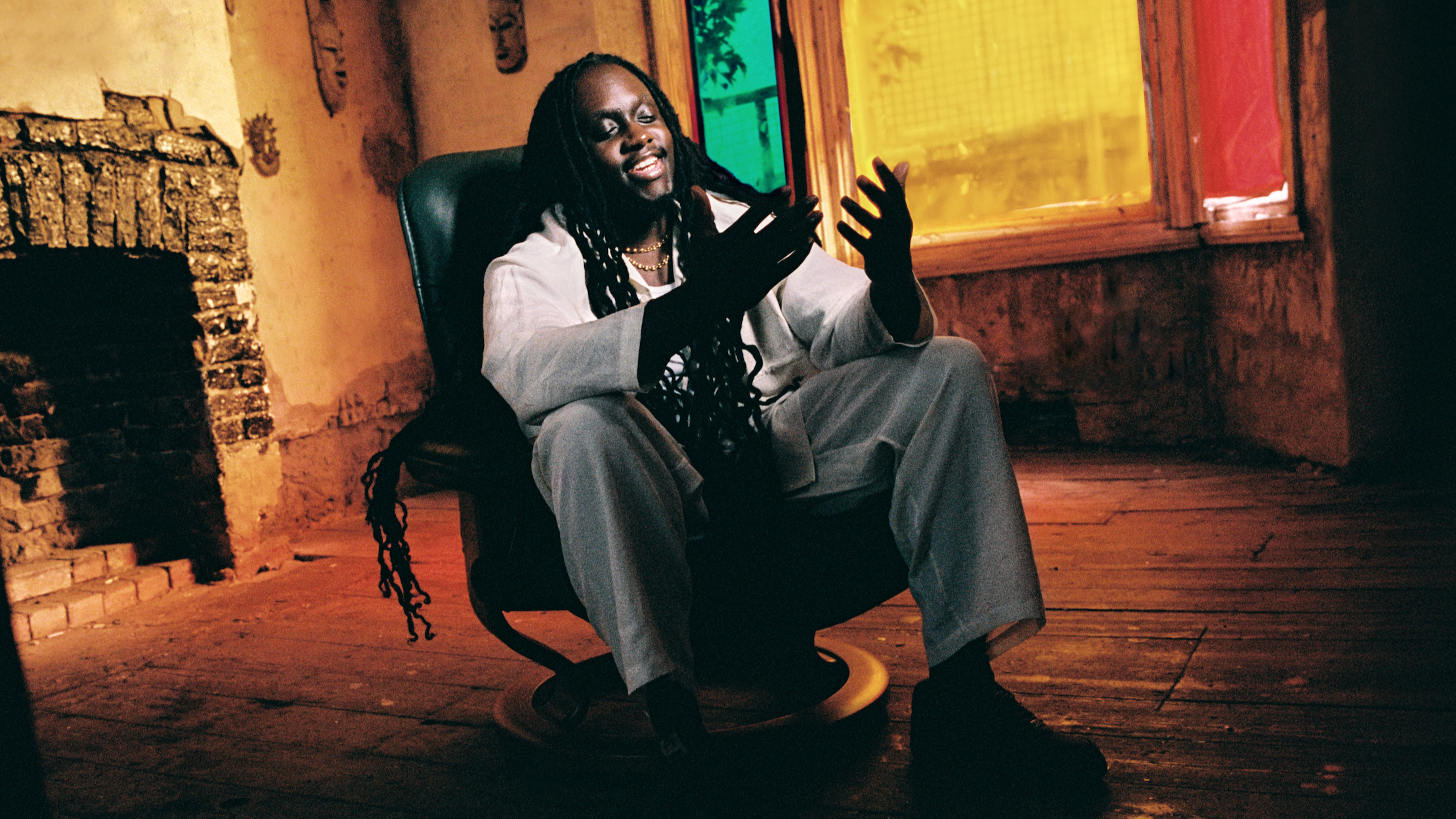
You come from a very musical family. Could you share more about the role of your family in your artistry?
"My dad [Iauwata Alexander of reggae group, Zabandis] was a reggae artist and a producer who's toured around the whole world; he's been doing music forever. That definitely had a heavy, heavy influence on me and my brother, PRGRSHN, who's a producer as well.
Having them both in my life has definitely been a massive help to my career, in terms of their knowing and understanding the vision as much as I do and getting the production right. They're just aligned with what I'm trying to do. Also, in guiding my journey from the beginning of WSTRN to now. They're a massive part of my whole life and my career."
So do you feel like a music career was inevitable for you, or did you ever envision a different path?
"Although I come from a musical background, I don't know if it was something that I was always trying to pursue. When I was younger, I was more into athletics—I used to sprint; that was a journey I wanted to take. I was training at the Linford Christie Stadium in West London, and I got scouted.
I was competing in athletics tournaments, and then I'd come home to a musical environment that would eventually influence me the most. I was very intrigued. I actually started producing before singing, then got into writing, and that's when the artist journey started. But yeah, this is the way it was always meant to happen."
What do you want people to take away from the music that you're making today?
"I just want to bring unity to the community that I'm speaking to. I'm from a Caribbean household, and sometimes the islands are very isolated. There should be more opportunities for us to be celebrated as a unit.
The common thread between the Caribbean Islands is reggae music—when we listen to it, we feel as one. I want to bring togetherness and unity when people listen to this project. I also want to get different cultures together. I want cultures outside of mine to feel what it's like to be Caribbean."
And finally, what do you want people to take away from your art as a whole?
"We all go through things in life but I feel like it's about how we take that and turn that into a positive energy. I want to use my music to help people get through tough times, I want it to be a moment of celebration. A moment of embracing who you are and living in your truth. Just being in the most authentic version of yourself, embracing that."
Purchase a Spare Room vinyl here, or stream below: