

Dua Saleh on Home, Identity and Their Most Intentional Songwriting Yet
Dua Saleh's new album Of Earth & Wires is built on a foundation of queer love, grief and nomadic Sudanese roots. The artist and former Sex Education star sits down with us to share their raw truth.
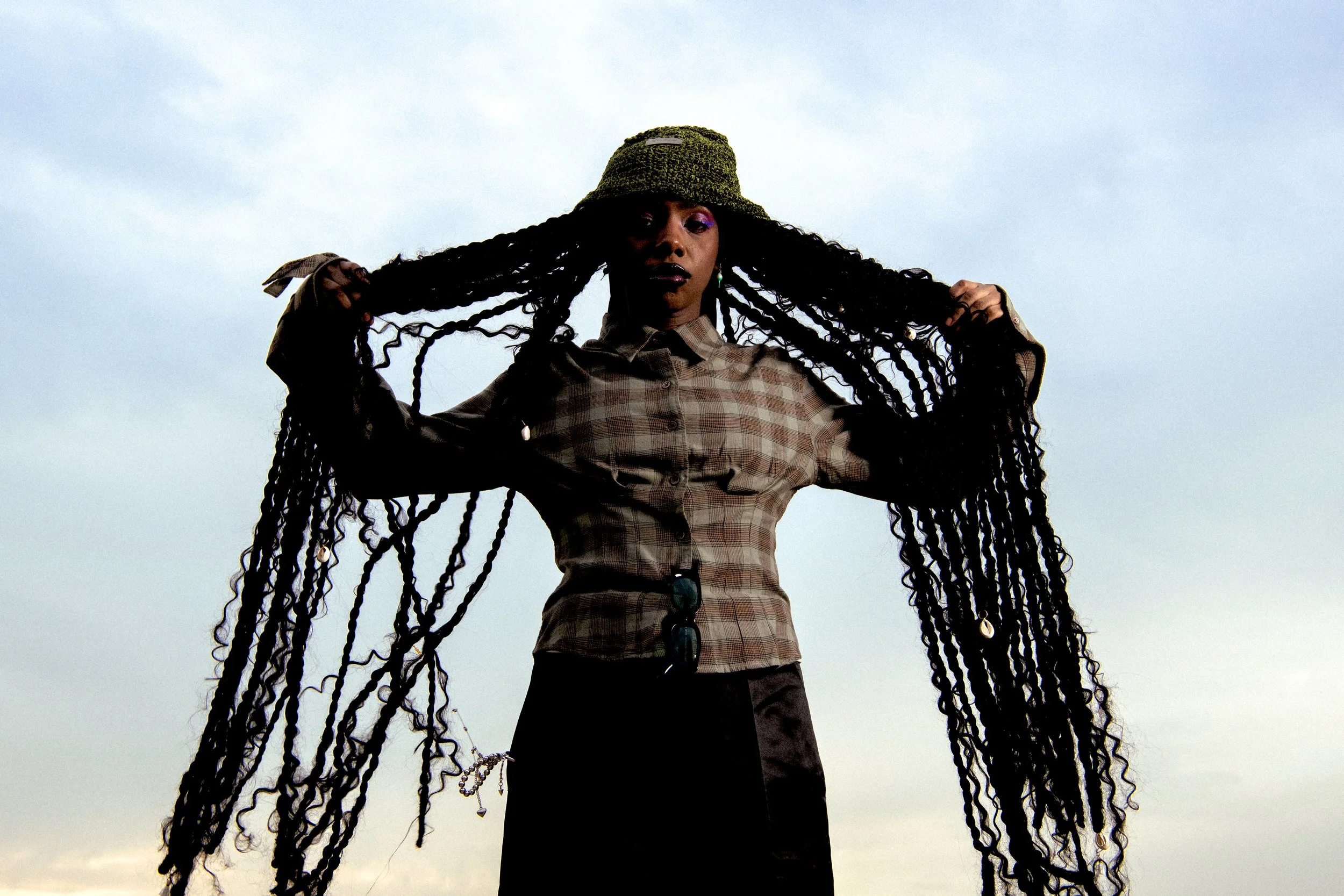
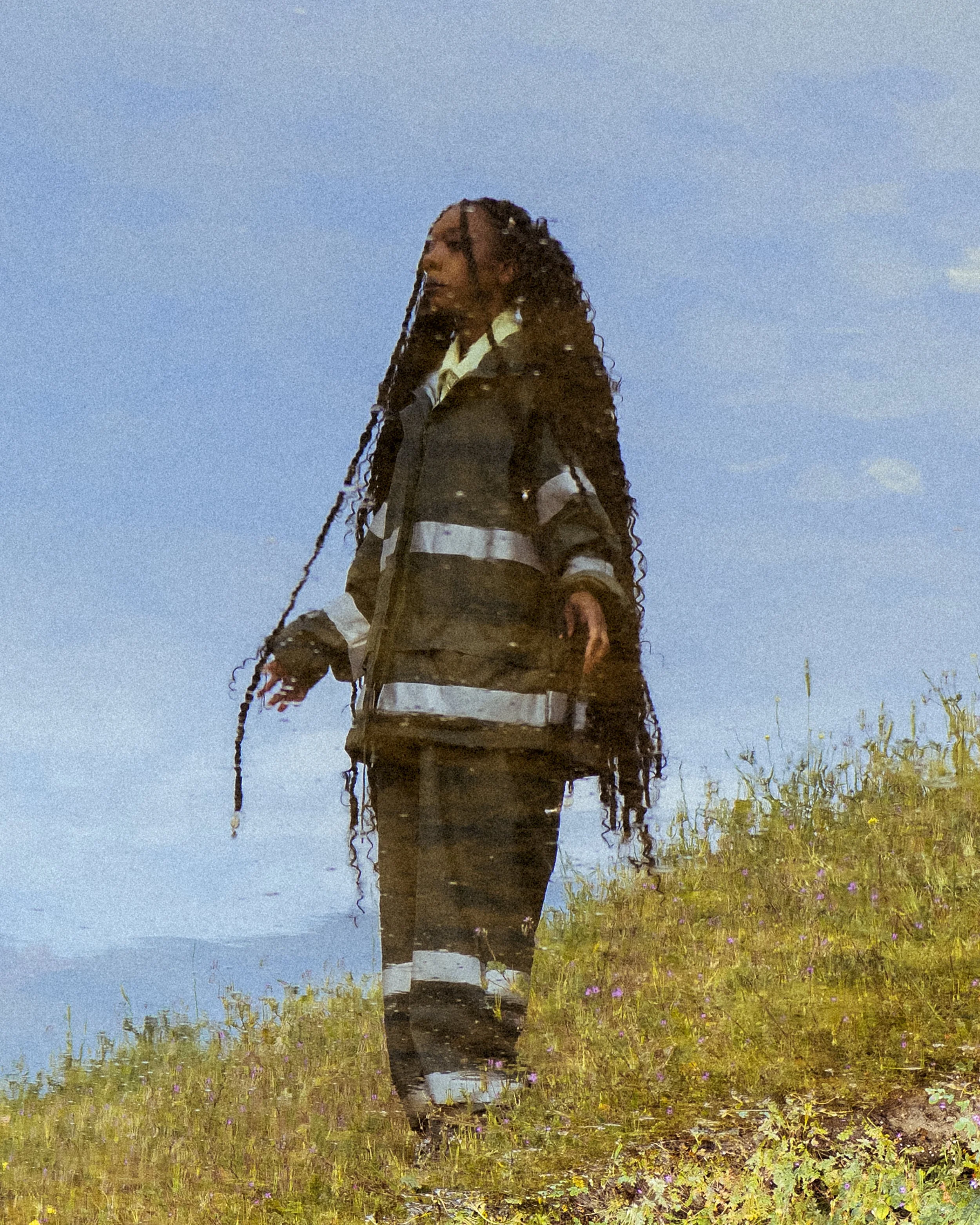
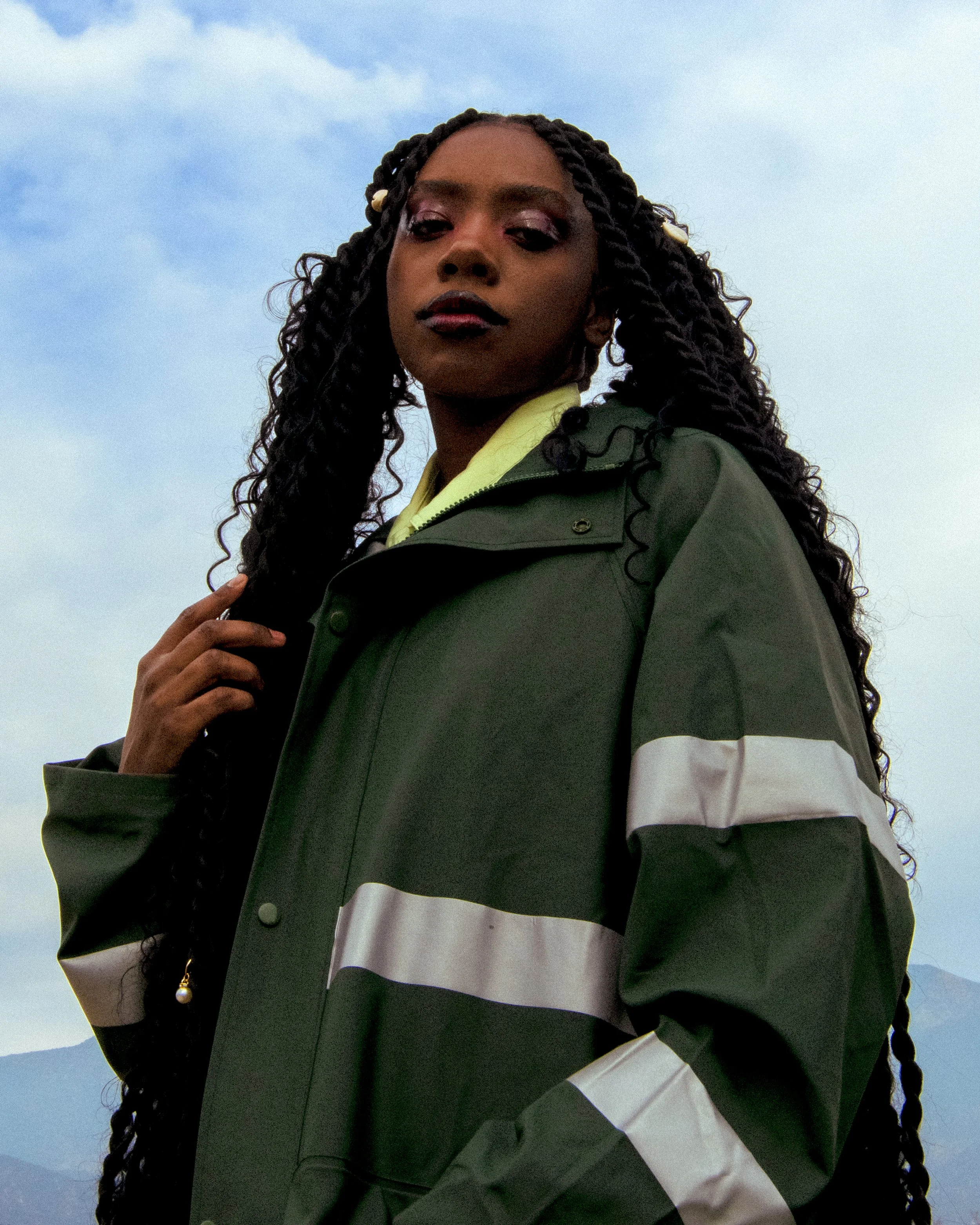
Dua Saleh in 2026. Image property of Yudo Kurita.
Of Earth & Wires, the second LP by Sudanese-American singer Dua Saleh, ushers us into a world on the brink of collapse. While this is not something too hard to imagine in the current climate, as Saleh admits, how we respond to it is what becomes interesting.
Born in Kassala, eastern Sudan, raised in Minneapolis and now based in Los Angeles—Saleh has blossomed into a travelled creative powerhouse, flipping between artistic mediums on the fly. It could be theatre, music or the small screen, it doesn't matter. Still, UK residents may know them from their acting role as Cal Bowman in the Netflix series Sex Education, but Saleh shares their most authentic truth through music: and you can feel that coursing through Of Earth & Wires.
When we meet over Zoom, it's 8 PM in London and midday in LA. Having just been on a walk, Dua Saleh arrives back at their apartment, casually settling into the call as I deal with a few technical difficulties on my end. At one point, Saleh tells me my accent reminds them of PinkPantheress, then breaks into "Stateside" mid-conversation while I get distracted by the mango they're eating.
Before we even get into the album, they launch into a story about meeting PinkPantheress at a party. This somehow turns into talk of "potentially hitting up a trad goth person" later, which explains "why I'm dressed a little Victorian right now." And indeed they are. From there, funnily enough, we start talking about Of Earth & Wires.
Saleh usually writes music quickly—"sometimes in like 30 minutes"—but this time was different. The album's writing process was underscored by grief. Whilst navigating the recent loss of their grandmother and uncle, Saleh was "in deep, deep pain," but the heartache may have been the purest source of inspiration.
"It's probably the most intentional writing I have ever done." Plucky, atmospheric guitar licks and triplet flows (as heard on Bon Iver–assisted "Glow") appear in standout fragments across the album's musical palette. However, on much of the record—on tracks like "I Do, I Do"—Saleh's experimentation sits beneath a soulful, rasp-tinged vocal delivery layered over unhurried, silky production.
I ask whether the music feels like an act of mourning, especially in relation to Sudan's devastating civil war, then I apologise for overanalysing things. "No, I'm glad," Saleh laughs, telling me, "You're a genius." They go on to say, "I am so grateful to be surrounded by Black femmes who are pushing the culture forward."
"The relationship I had with grief in this album was not just about myself," they explain. Instead, Saleh was asking: "How do I bring you [the listener] into this story, so you can connect with the universe I have created, in order for us to better analyse how we navigate in the sacred realm we exist in?" If you're lost, don't worry. "I like talking political smack," Saleh adds.
Hailing from generations of Sudanese pastoral nomads, Saleh can "find home everywhere." But being from Sudan and living in the States, the fear around ICE has been a reality. Saleh recalls a moment where they were calling their mum but were told to stop because "they're tapping our phones."
“How do I bring you into this story so you can connect with the universe I have created?”
In exploring the sonic landscape of the album, one can't help but notice Saleh's unique ability to intertwine disparate sounds, reflecting their own blended background. When I ask about the use of organic versus electronic sound in the album, they're keen to talk about it within a wider context.
With Trans Day of Visibility having just passed, Saleh reflects on how artists who share the same experiences often gravitate towards electronic music because it was one of the only spaces that accepted trans people as they are.
Saleh is clear that their album had to remain true to the story of two queer lovers, and that this needed to come through in a way that still felt digestible. For them, that meant combining "earthly sounds" with electronic ones.
Saleh was influenced by the "aesthetics of futuristic sound," pointing to the Canadian trans music pioneer, Beverly Glenn-Copeland, who helped shape a sound that would later become central to electronic music. They also mention Galen Tipton—an experimental artist they've been listening to recently, who creates sounds that feel grounding and calming, especially "with all the chaos in the world."
And Saleh brightens up when talking about the featured artists, including Minneapolis's own Bon Iver and also Justin Vernon, who appears across three tracks, and becomes a central presence across the project. "This is the only time I'm going to get a folk pioneer in the studio," Saleh says, half-joking.
When explaining the roots of "5 Days", where everything feels like it's pulling in different directions, Saleh puts it simply: "I really think it's just me digging into my gay bag." They laugh before breaking it down further. "For the first half of the song I was definitely in my Frank Ocean bag… very queer lover boy… real Scorpio energy"—which, Saleh adds, they have a lot of. It seems like the kind of unapologetic self-awareness that carries across their work more broadly.
While acting allows Saleh to step outside of what they describe as "artistic isolation" and expand their worldview, "music is [the] raw truth". It seems that although acting matters, music remains the closest thing to something unfiltered.
When I ask whether we can expect to see more of them on screen anytime soon, the answer is less straightforward. Saleh points to what they see as a decline in LGBTQIA+ representation—a significant drop of about 30% across platforms, including Netflix. "Times are abysmal," they say plainly.
There's a disconnect between the roles Saleh is offered and the "political aesthetic" they put out into the world. In some cases, that gap is stark. Saleh recalls an audition for a non-binary role that ultimately went to a cis man—a "wake-up call" to say the least.
Still, Saleh remains clear about what their work has already done. They speak about messages from viewers who used Sex Education to explain non-binary identity to their families and the show's incredible visibility made possible.
For Saleh, the aim is to hold onto that kind of impact without compromising the work itself. "It's important for me to maintain the ability to communicate myself artistically through compassion and empathy," they say, wanting to remain "kind of pure" in their artistry.
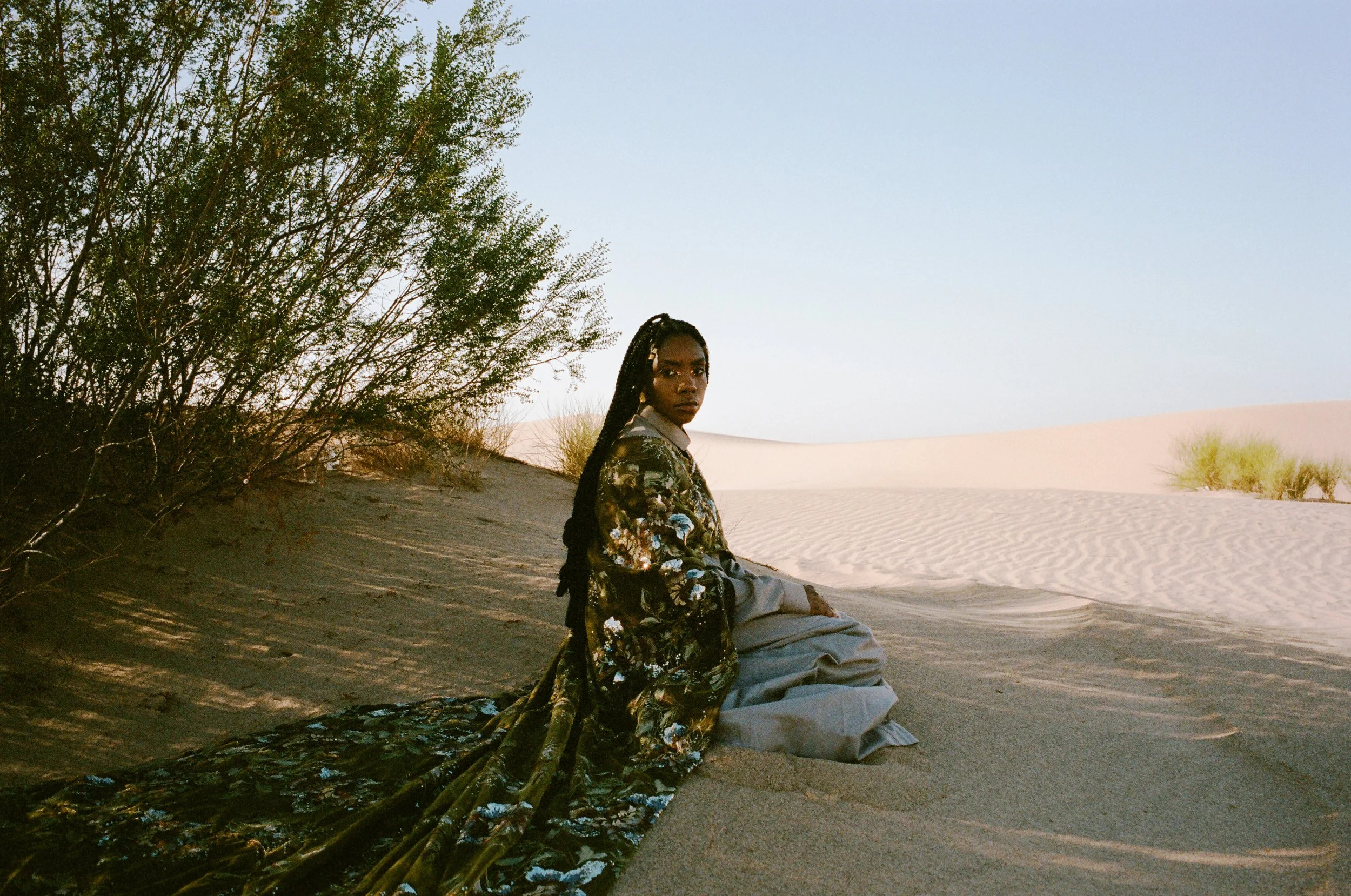
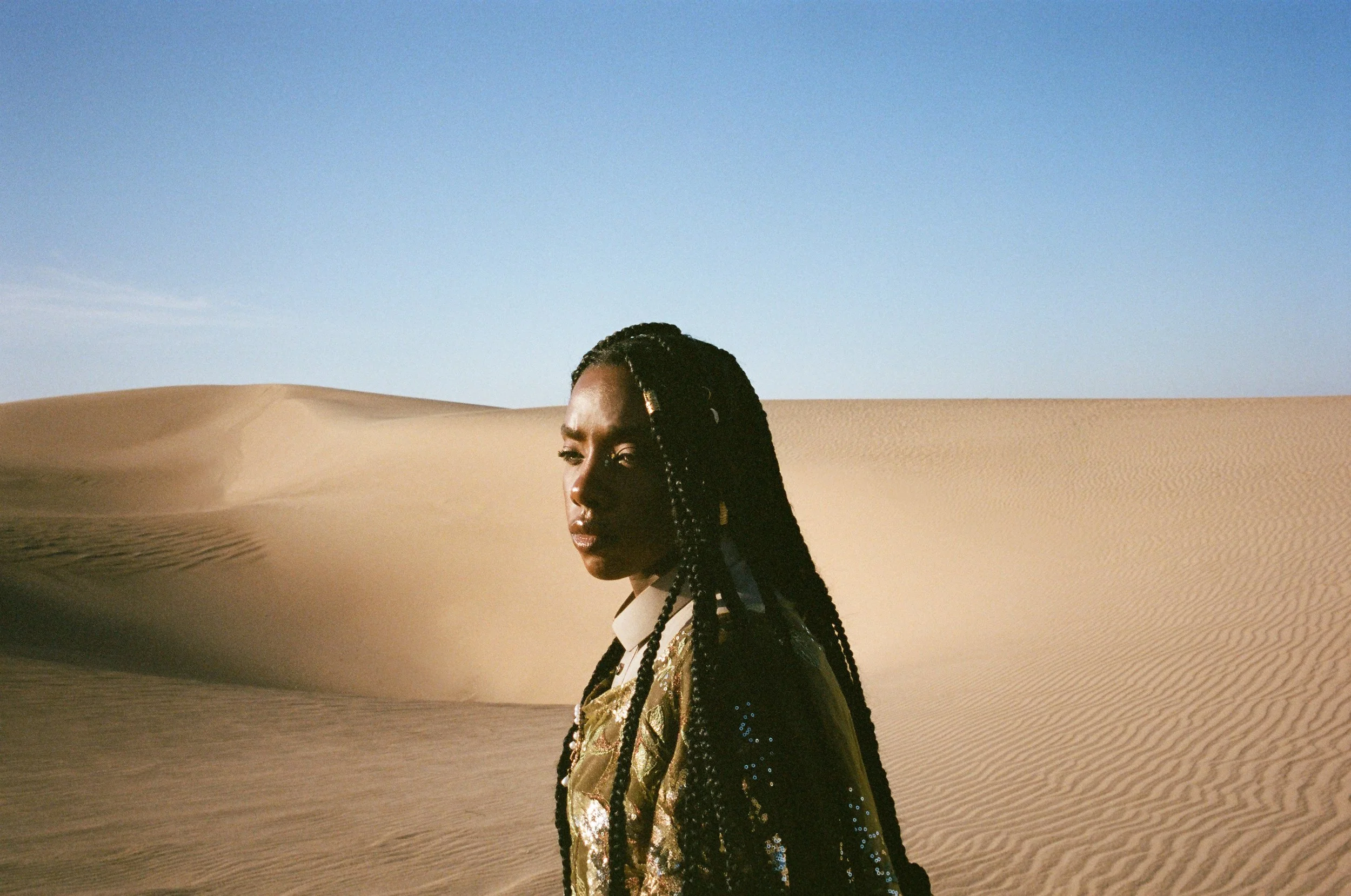
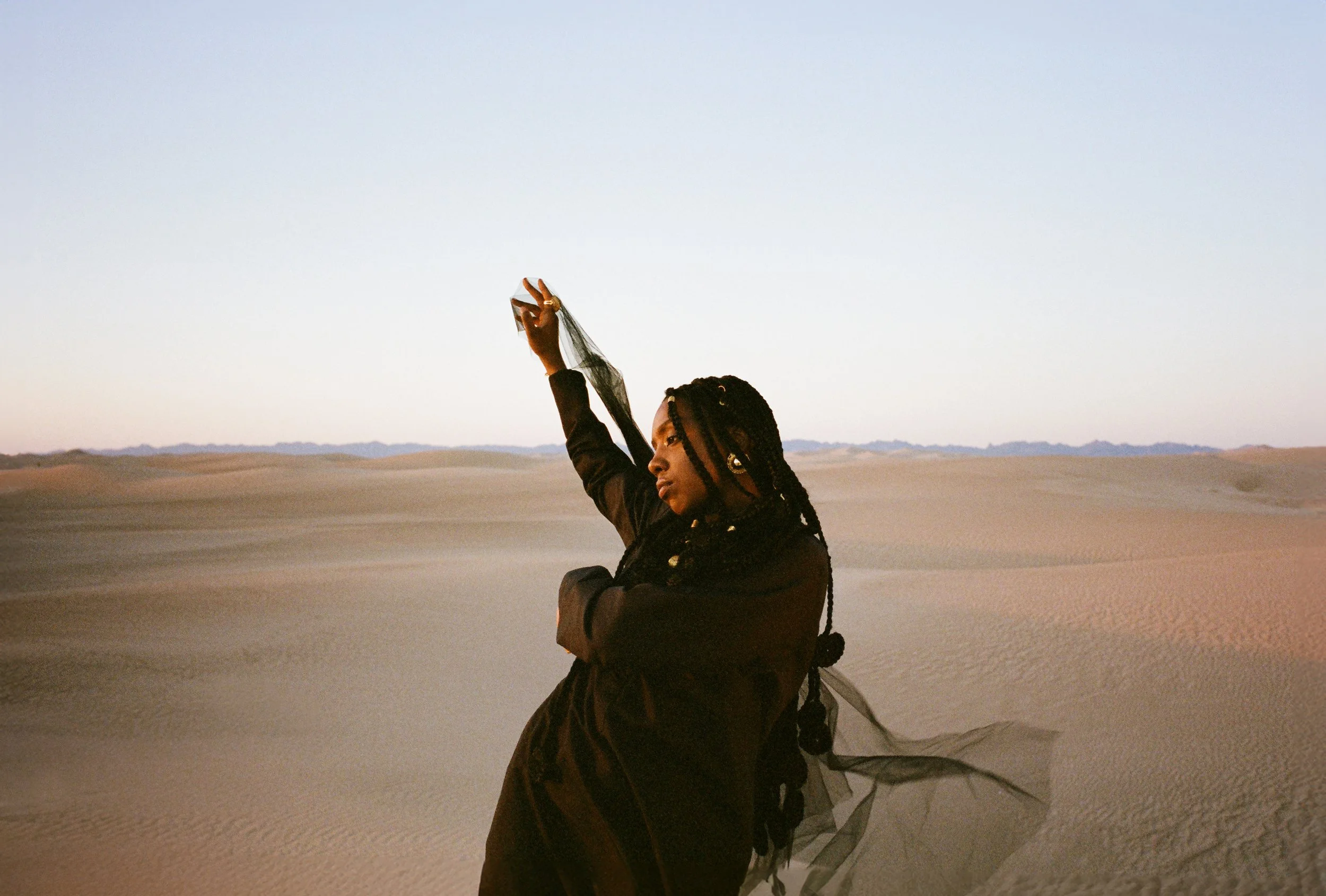
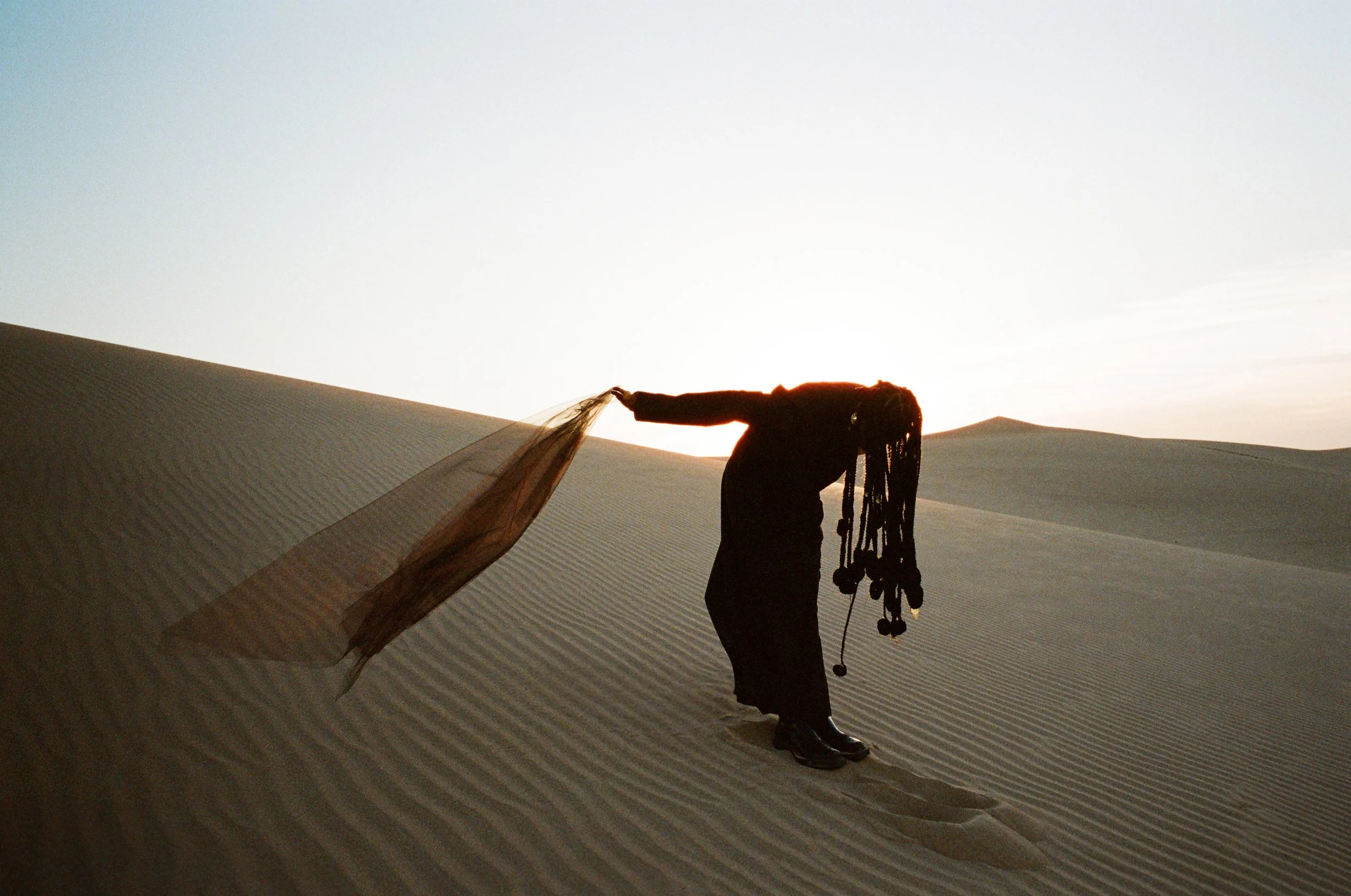
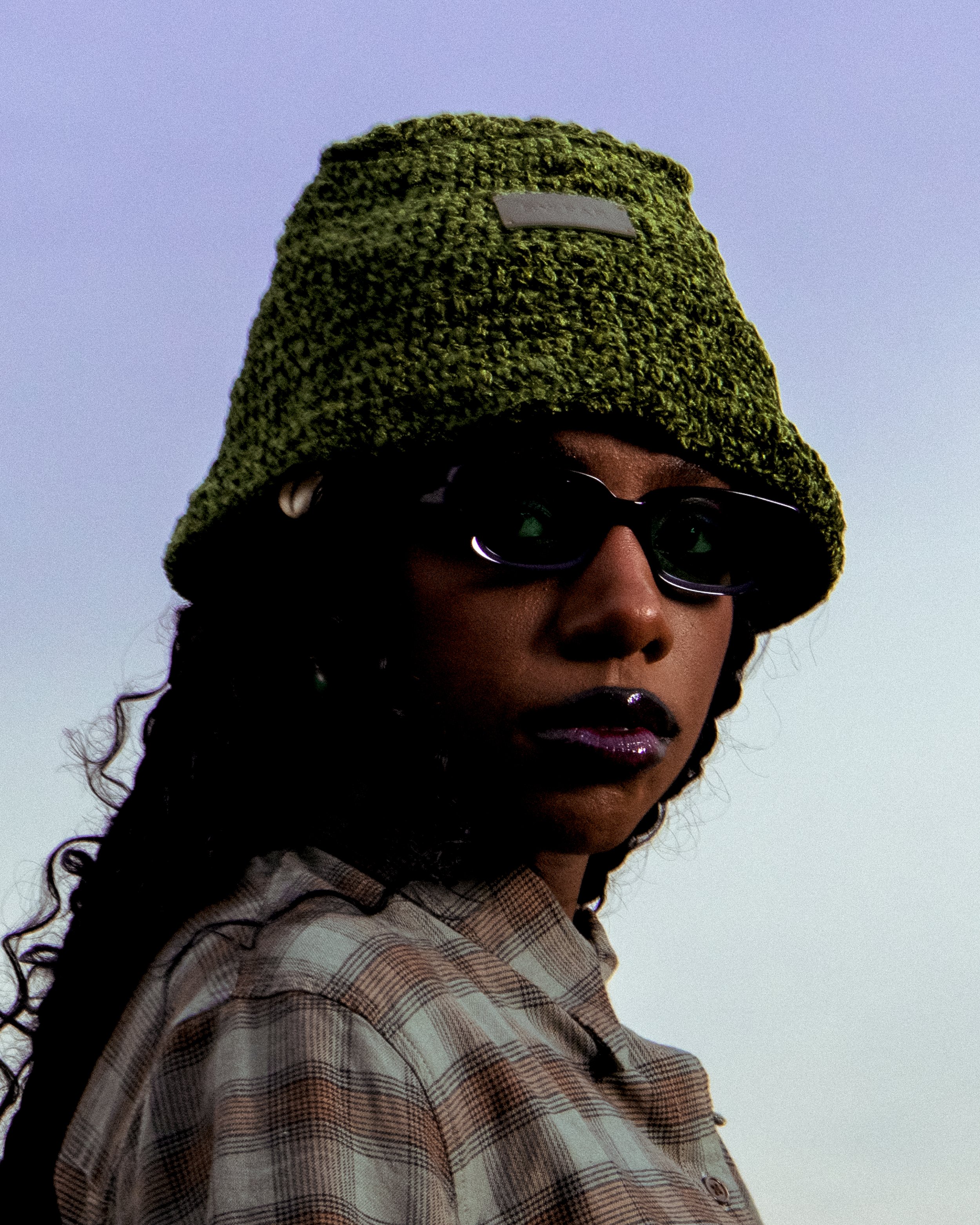
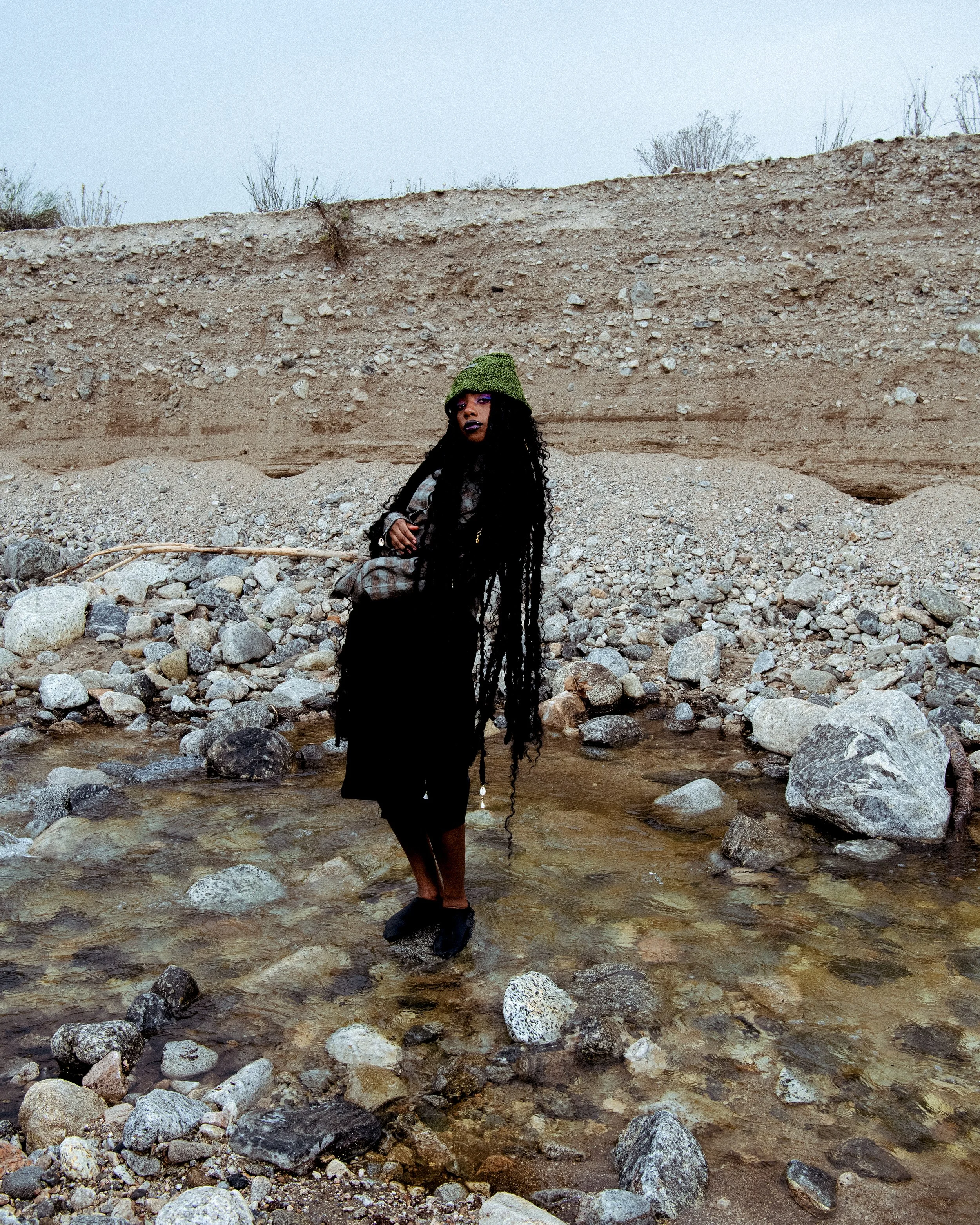
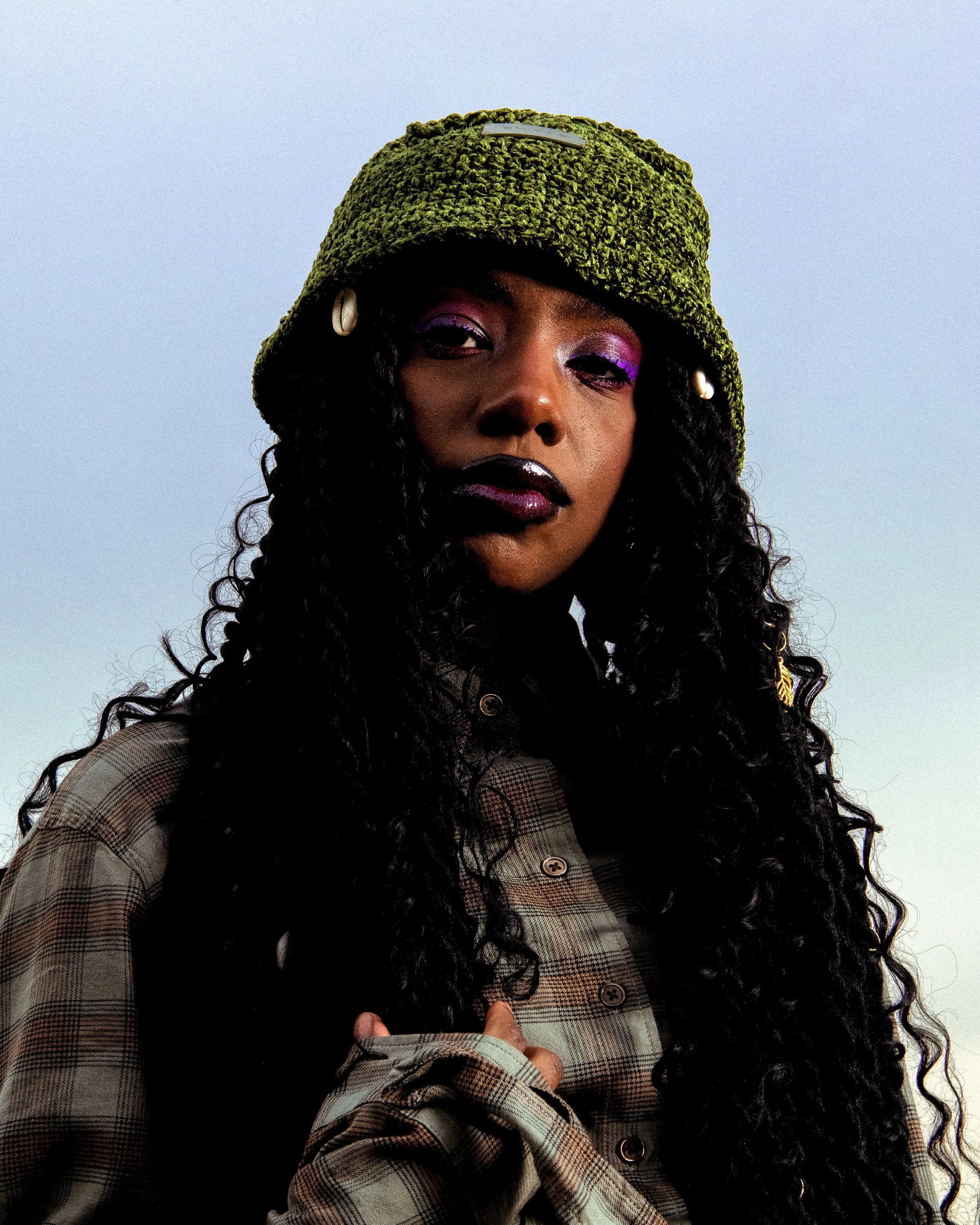
Images property of Braden Lee.When reminiscing about their time in Cardiff whilst filming Sex Education, Saleh mentions a conversation they had with another journalist about queer solidarity. "I was watching a lot of stuff about the city I was in," they say, referencing a film about LGBTQ+ activists supporting Welsh miners.
Saleh couldn't quite remember the name, but they were probably talking about the 2014 film Pride, directed by Matthew Warchus. Either way, it's the idea behind it that stays with them: different communities and walks of life showing up for each other.
That way of thinking trickles down directly into the album. "I'm thinking about home, I'm thinking about grief," they explain, broadening the scope beyond their own origins. "I can't just think about that within my own context, or within the coordinates of the places I've lived. To us, this sentiment encapsulates the overarching ethos of the album, highlighting the importance of valuing what little we have and the beauty that resides within our limitations.
Dua Saleh takes over Village Underground on July 12th. Get tickets here.Stream Of Earth & Wires below: