

India Shawn is 'Subject To Change'
With her latest EP Subject To Change out in orbit, India Shawn's new mission statement appears to be steering alternative R&B towards funkier, freeform territory. We catch up with her to discuss working with Solange, her songwriting journey and more.
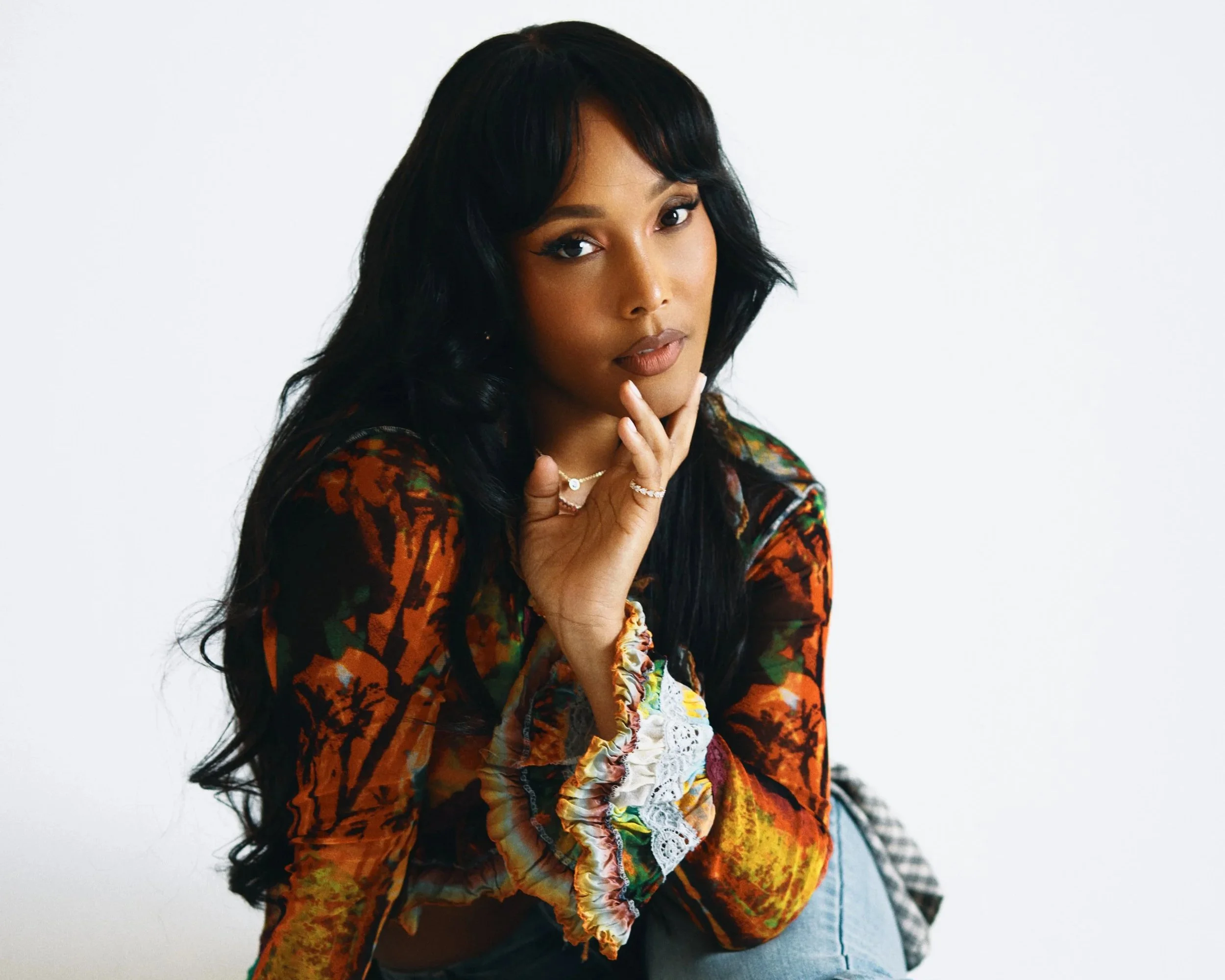
India Shawn in 2026. Image property of Rashida Zagon.
With a career spanning over a decade and a half, Los Angeles singer India Shawn is a force to be reckoned with in the post-blog alternative R&B world. Across her decorated career, she's ventured outside of the vocalist booth, scribbling and sketching out tracks for the likes of El DeBarge, Monica, Keri Hilson, Ashanti and many more.
Pressure makes diamonds—and pressure-cooker-like recording sessions with multi-platinum artists and record labels are far from sweat-free labour. So it's no surprise her latest EP, Subject To Change, sees the singer-songwriter reaching for a wider artistic summit, aiming for an edgier sound than what her previous projects had suggested. "I wanted to make the kind of music that I listen to," explains Shawn in conversation with The Culture Crypt. "I listen to so many different artists and I kind of felt boxed into one sound."
Raised in LA before moving to Atlanta as a teenager, Shawn found herself immersed in the city's songwriting circuit at a time when R&B and hip-hop were moving at breakneck speed. There, alongside her sister Jazmyn Michel and friend Kesia Hollins, she formed the songwriting collective Full Circle—a unit that helped sharpen Shawn's pen while navigating the industry from behind the curtain.
Yet even as opportunities mounted, the work itself began to feel increasingly restrictive. "I wasn't really being encouraged at that time to use my own voice," Shawn recalls. "After a while, I was like, 'I'm tired of chasing placements. I'm tired of this rat race. I kind of just want to do something that's going to feed my soul.'"
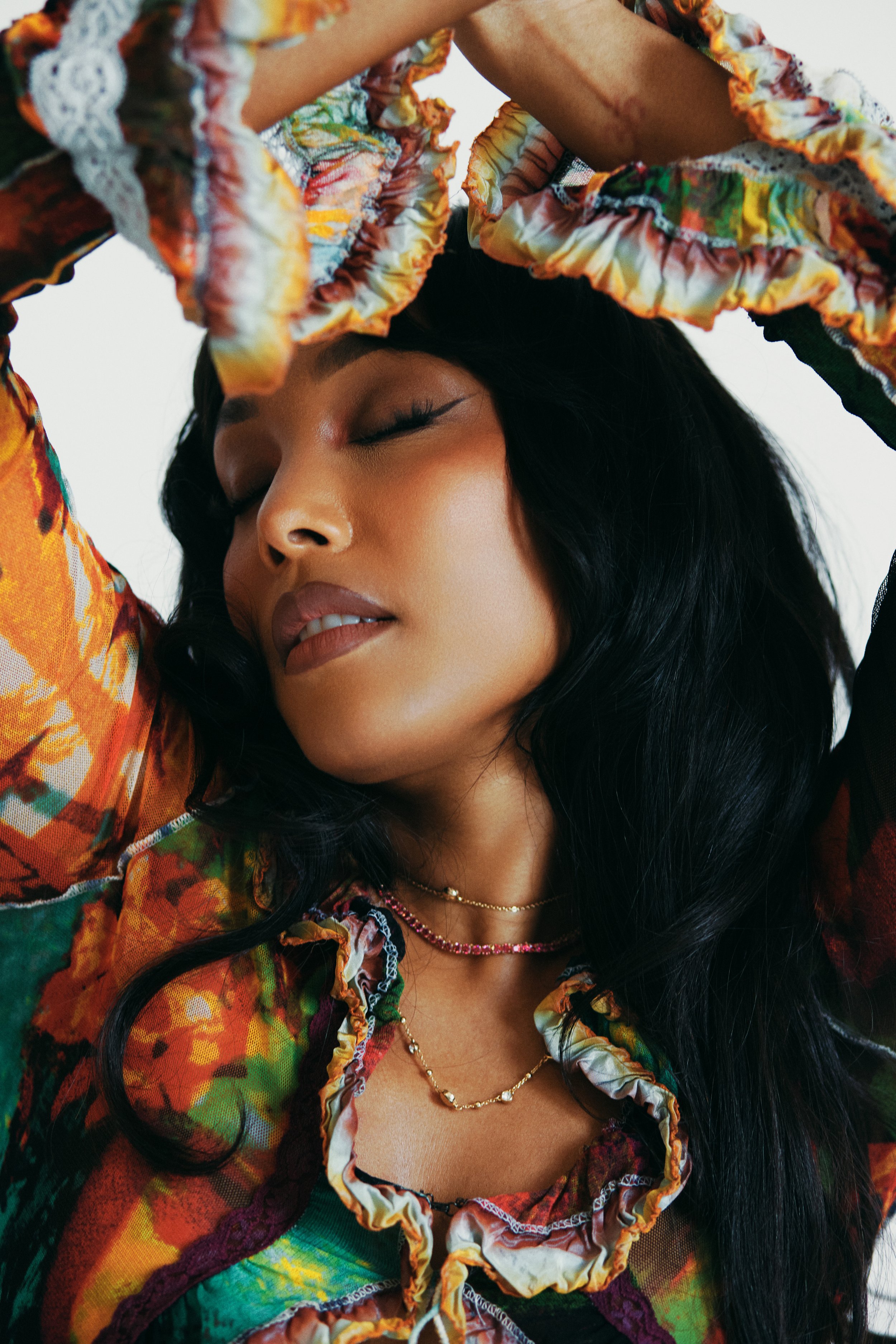
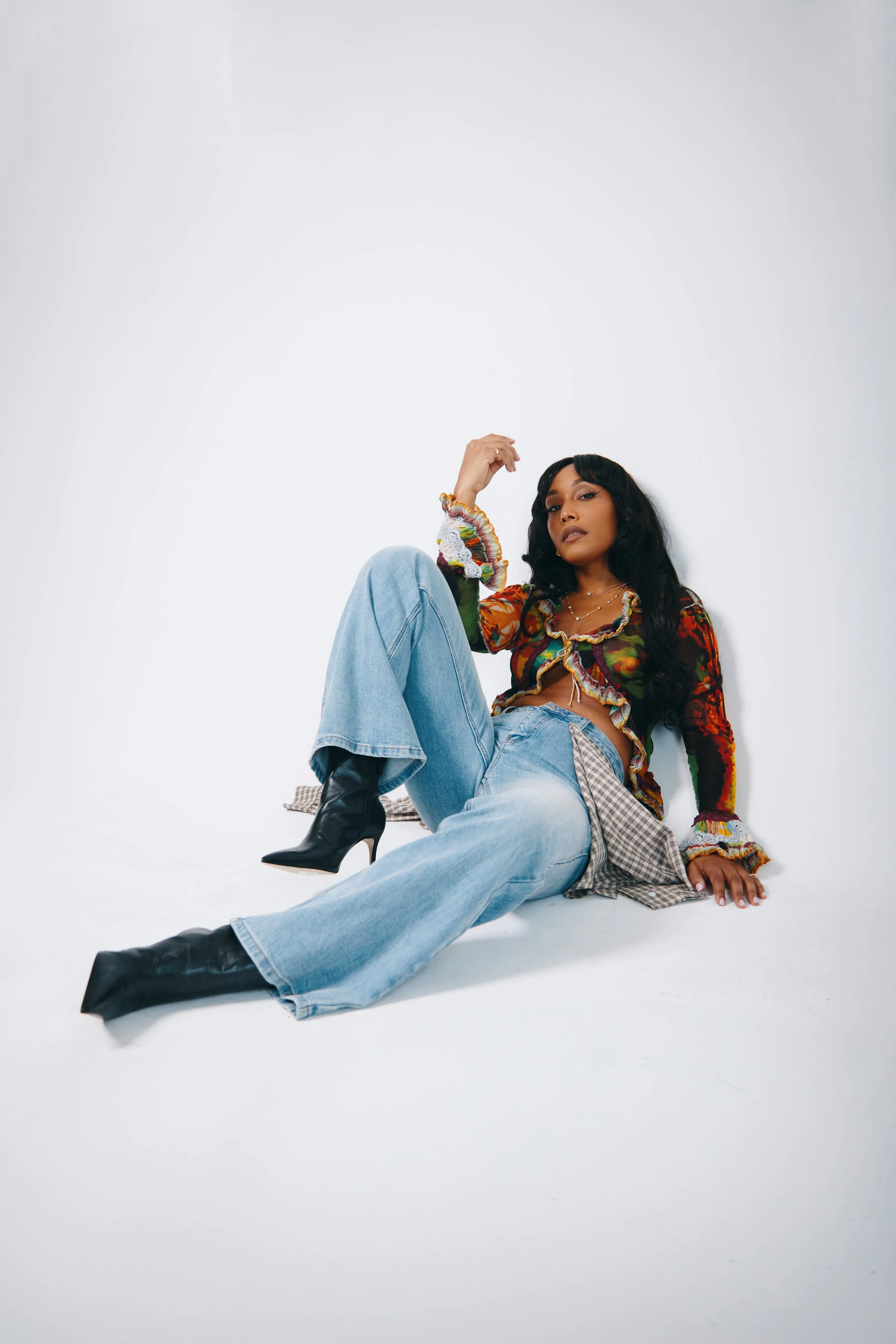
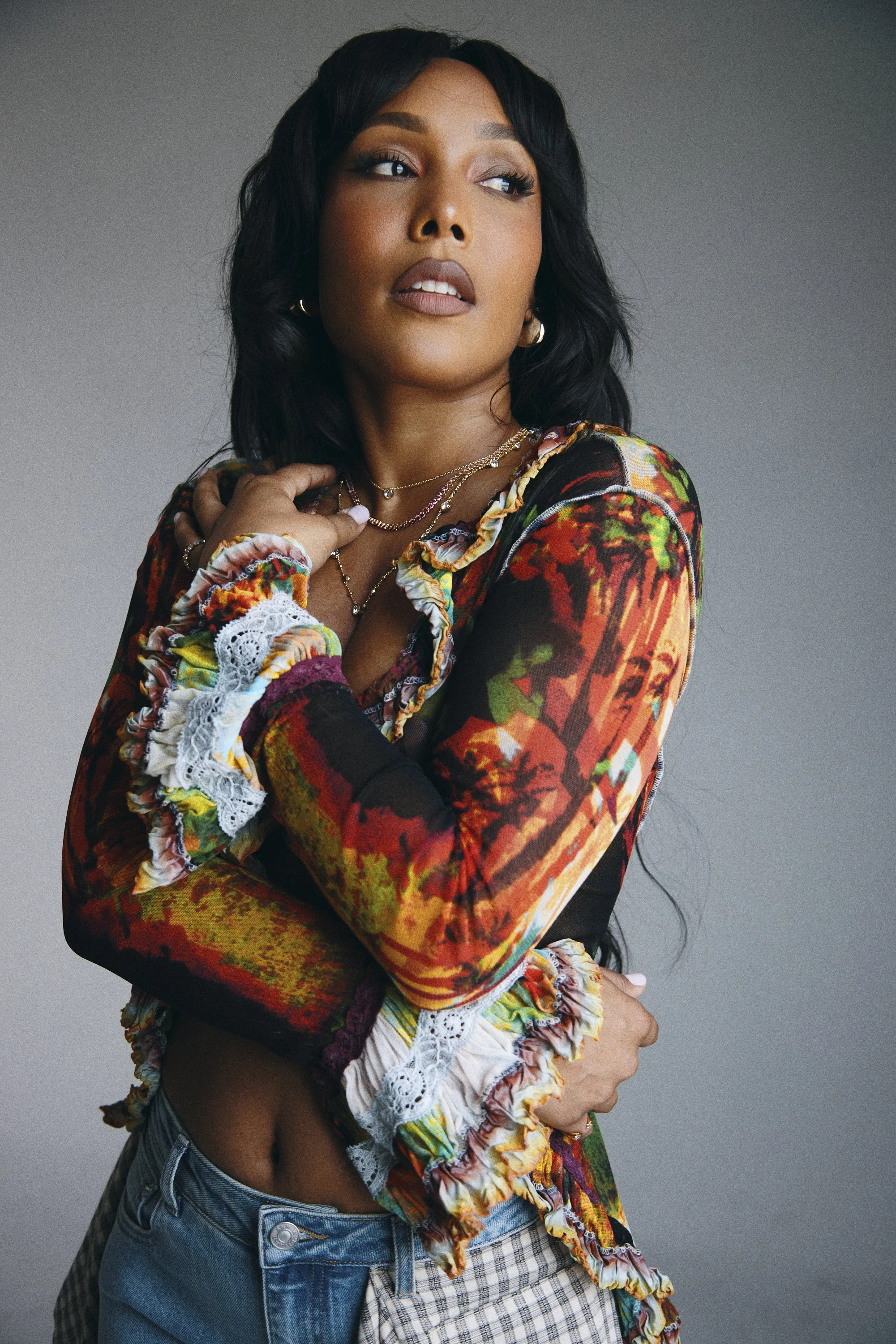
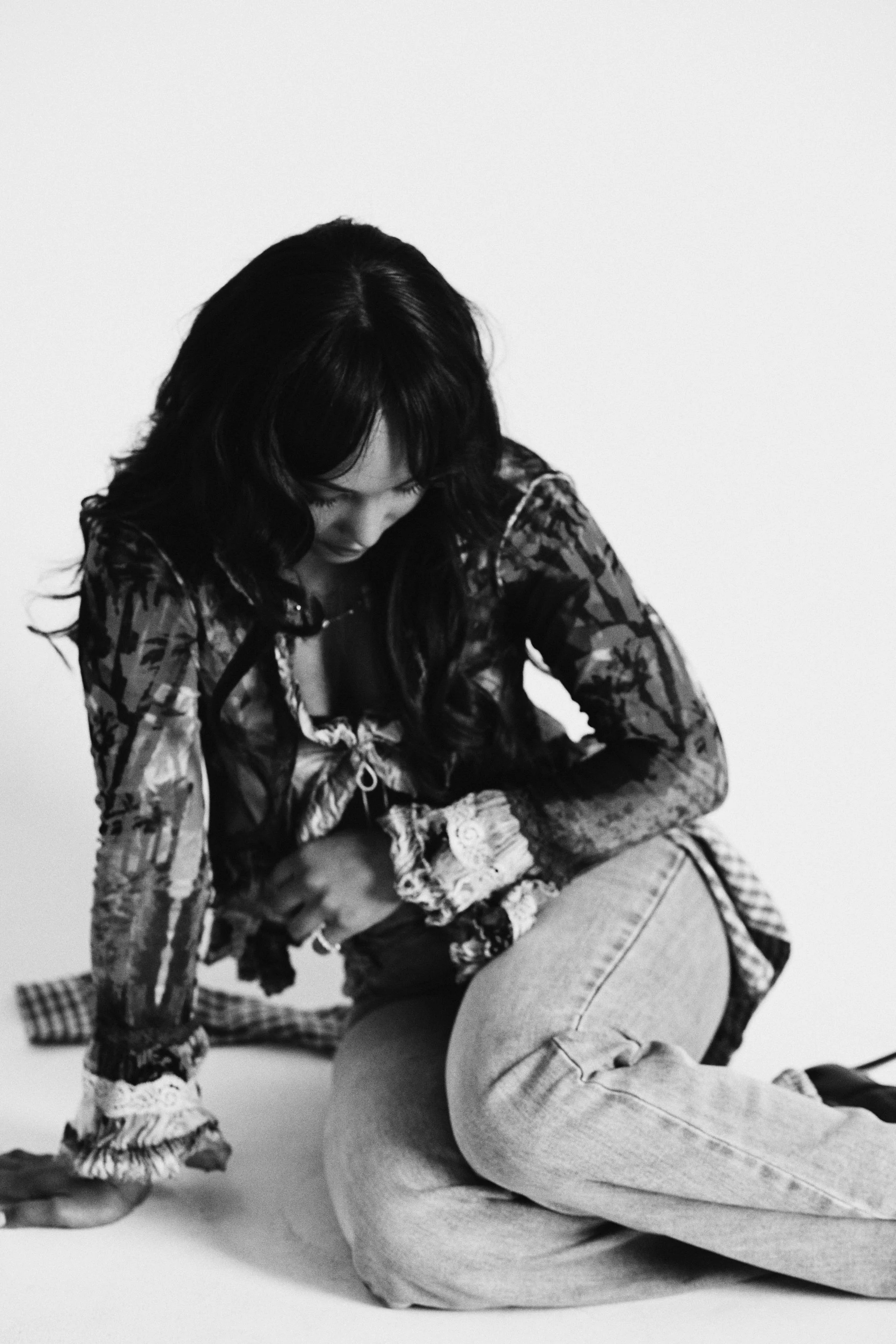
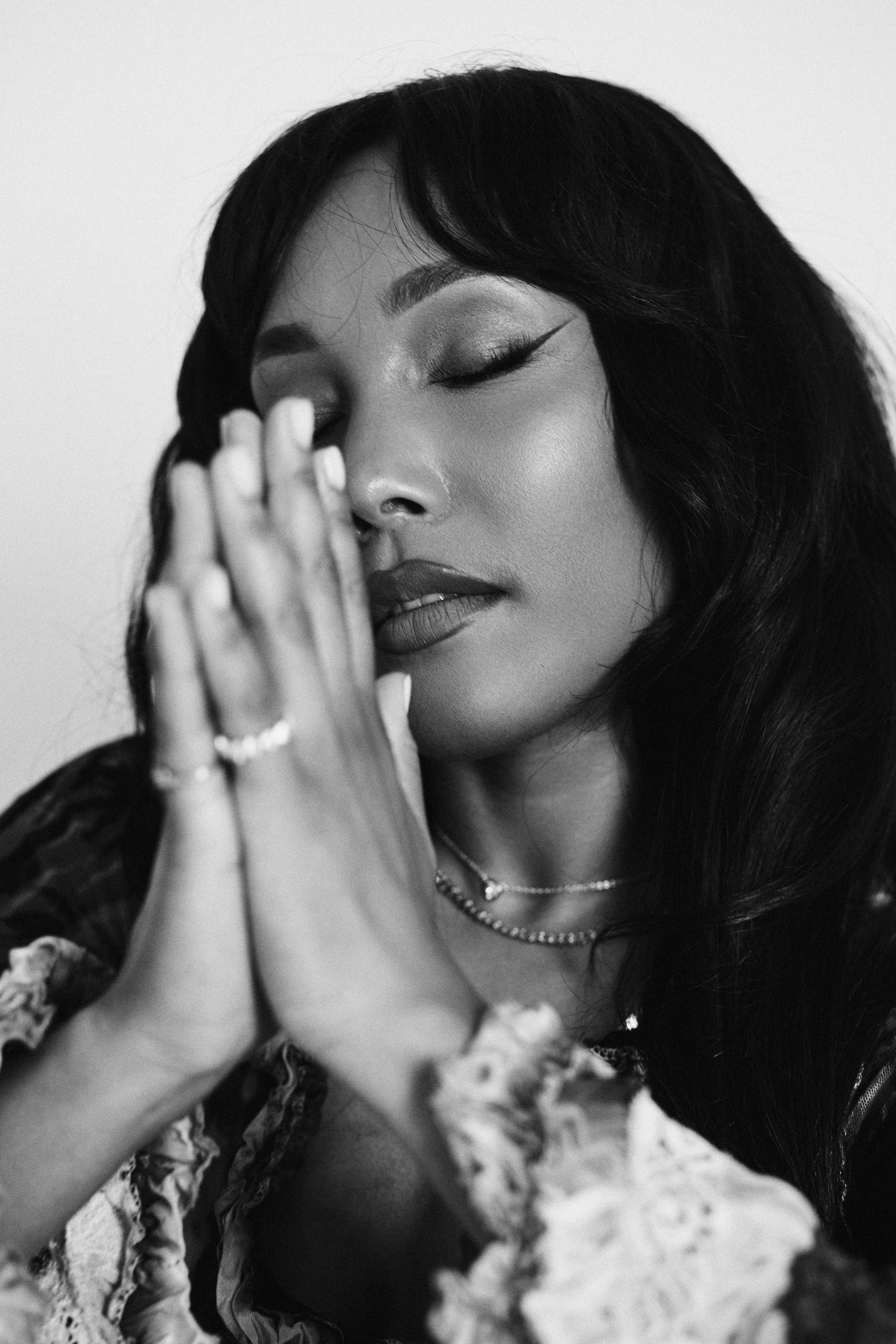
Origin, Shawn's 2012 debut EP, marked the beginning of her evolution as an artist—emotionally rich, sonically adventurous and untethered from the conventions of traditional R&B. It would also lay the foundation for a string of critically acclaimed follow-up projects throughout the decade, including 2015's Outer Limits, a collaborative effort with songwriting heavyweight James Fauntleroy, best known for his work alongside the likes of SZA, Rihanna and Frank Ocean.
As Shawn continued refining her sound, she steadily cemented herself as one of alternative R&B's most consistent voices, eventually landing a deal with Epic Records. In 2022, she dispensed her debut LP, Before We Go (Deeper), in tandem with the label—a project that stretched her sonic elasticity even further through collaborations with artists such as 6LACK and psychedelic outfit Unknown Mortal Orchestra, whilst still doubling down on her honey-toned, classic R&B musings.
Despite the pressures of navigating a major label system during the pandemic, Shawn still views the period as a formative chapter in her career—one that came with a bigger team, greater resources and the opportunity to operate on an entirely different scale. Subject To Change, executively produced by Grammy-winning producer D'Mile, features a diverse range of singles that showcase India Shawn dialling further into the alternative R&B space.
Tracks like "Kill Switch" wield grungy alternative guitar riffs, whilst the Lucky Daye-assisted "Cotton Candy Blvd" offers a bright, funky detour into D'Mile's familiar, sun-soaked R&B production. EP standout "Rain on Me" marks Shawn's first foray into more assertive themes surrounding self-worth—fitting of the latest chapter in her artistic ascent. On an overcast April afternoon, The Culture Crypt caught up with Shawn to discuss all things music.
The Culture Crypt: Let's talk about your childhood and when you first fell in love with music.
India Shawn: "Well, my upbringing felt like two different worlds. One world was church with my mom. She was a praise and worship leader of my church, so I spent a lot of time in choir rehearsals and church culture. My dad's family is from Trinidad, so when I was with his side of the family, it was a lot of turning up, partying, soca music and good food. Music's always been with me, I remember loving Babyface's 'When Can I See You' in pre-school. I knew he was one of the greats from very young."
How did you first get your foot into the industry—and when did you realise you wanted to step out as an artist in your own right?
"When I moved to Atlanta in high school, I met my first manager and got exposed to recording setups. I created a makeshift setup to record and demo songs, eventually writing with my sister and a friend to form a team called Full Circle. Eventually, we came back to LA, signed a publishing deal and started writing for Chris Brown, Monica, Lloyd, Keri Hilson and El DeBarge.
That was a very trying season of my life. It was exciting because I was so young and had this huge opportunity in front of me, but I don't feel like I was in the most nurturing environment. I wasn't really being encouraged to use my own voice, and after a while, I got tired of chasing placements and the whole rat race. I wanted to do something that would actually feed my soul, and that decision ended up becoming my first project, Origin."
You also appeared on the Saint Heron compilation album that was obviously curated by none other than Solange. How did you two first connect?
"The song on that project was from my project Origin. It was called 'I'm Alive'. A friend of mine used to run one of the first music blog sites, Concrete Loop and he posted my music there. Later, I attended one of Janelle Monáe's house parties in Atlanta, where I met Solange. I kept feeling like she was making eye contact with me.
Eventually, she walked up to me and said, 'I love your music. I'm working on this compilation of rising alt-R&B artists and I'd love to use one of your songs.' That was one of the most exciting days of my life."
You had a short-lived time with Epic Records, releasing the Before We Go EP, and of course, the debut album, technically a deluxe edition, Before We Go (Deeper). Was there anything you learned from your experience as a major label artist there?
"It was such a unique experience because I signed that deal right before the pandemic. Everybody was locked inside, I couldn't perform, I was doing Instagram Live shows and also dealing with family members passing away from COVID. At the same time, I'm thinking, 'I just got signed—I have to maximise this opportunity and show up as an artist.' It was a lot. But for the first time, I had a huge team, real resources and a budget, so I was able to operate on a much bigger level."
The singles from your Subject To Change era pull from a lot of different sounds. There are country influences on your promotional single "Gone" and alternative rock inspiration on "Kill Switch". What inspired that direction?
"I went into those writing camps listening to a range of alternative artists, but I was also really intentional about telling my collaborators that I wanted to experiment. Every session ended up looking different. All of my collaborators paint with different colours on different canvases. That's what inspired the overall concept of Subject To Change. Don't expect just one thing from me, because there are all these different sides to who I am."
How would you describe your creative relationship with D'Mile?
"Divine. I always say he's my LaShawn Daniels and Rodney Jerkins wrapped up into one. There's nothing he's ever played or produced that I didn't like. He inspires me so much and we're just really great creative partners. He's so special to me."
“Signing to VANTA [D’Mile’s label] gave me more time to really play and experiment. On my last project with Epic Records, there was a timeline—I’d go into the studio, make a song, and that was it. This time, I’ve been able to go back to songs, change the bridge, replace the drums and really sit with them.”
What pushed you to stretch your sound on this project—and where do you feel you sit within alternative R&B now?
"I wanted to make the kind of music that I listen to. I listen to so many different artists, but I kind of felt boxed into one sound and I was like, 'I want to make what I like.'
Also, signing to VANTA [D'Mile's label] gave me more time to really play and experiment. On my last project with Epic Records, there was a timeline—I'd go into the studio, make a song, and that was it. This time, I've been able to go back to songs, change the bridge, replace the drums and really sit with them. That freedom changed everything.
I would definitely say I'm one of the pioneers in this space. With the Saint Heron project, Solange was kind of birthing something there, and to be included in that, and then working with people like Unknown Mortal Orchestra on my last album and everything on this new project—I've just been really consistent in alternative R&B."
Stream Subject To Change below: