

Blue Boys, Loud Men: A 10-Year Retrospective On 'Moonlight' and 'Blonde'
Moonlight and Blonde gave Black boys a rare kind of quiet, on screen and on record. Ten years later, we ask what became of that quiet, and how it was subsumed within a much louder, better-funded argument about what Black masculinity should sound like instead.
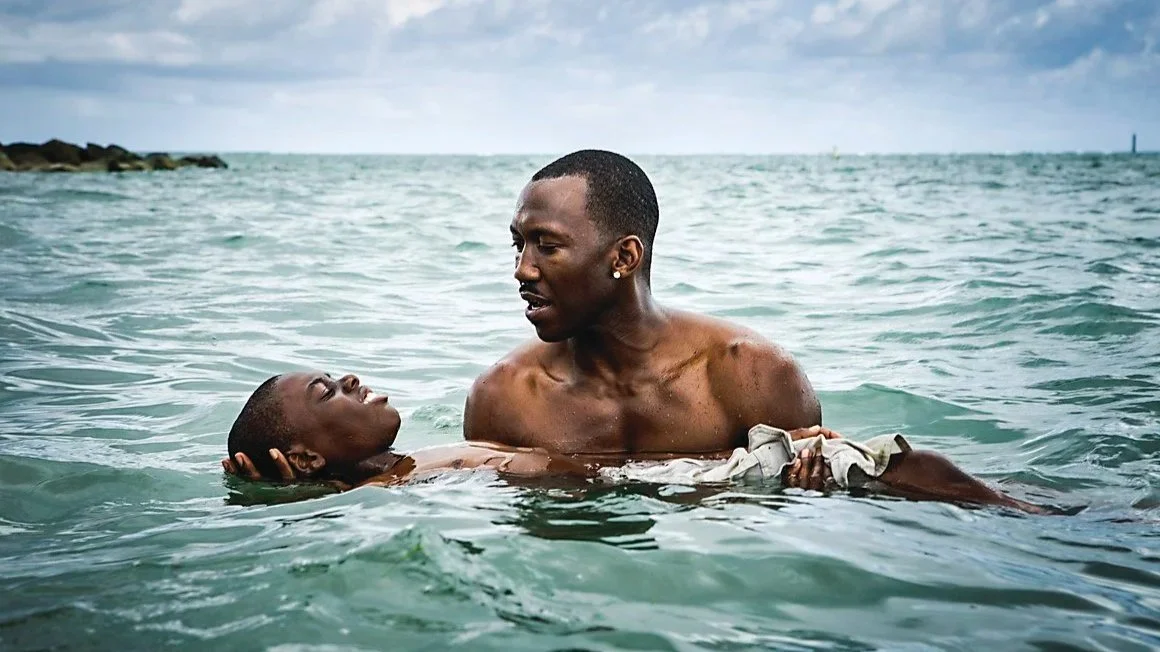
A young Chiron (portrayed by Alex Hibbert) and Juan (portrayed by Mahershala Ali) in a still from 2016's Moonlight. Image property of David Bornfriend and A24.
A decade on, Barry Jenkins' modern cinematic masterpiece Moonlight and Frank Ocean's monumental second LP Blonde still make certain conversations about Black men possible. Whether that decade actually changed anything is a different question.
This October, Moonlight returns to UK & US cinemas in a new 4K restoration, almost exactly 10 years since Chiron first appeared on screen carrying that special line with him: "In moonlight…Black boys look blue." A24 is pairing the re-release with a recorded conversation between director Barry Jenkins, Mahershala Ali, and composer Nicholas Britell; a victory lap for a film whose biggest win was nearly stolen live on air.
At the 2017 Oscar ceremony, a mix-up of envelopes during the announcement of the prestigious Best Picture award led to La La Land being wrongfully declared the winner. The blockbuster's producers were already mid-speech when one of them, Jordan Horowitz, stepped up to the microphone to say there had been a mistake—Moonlight was the true victor. The chaos threatened to swallow the moment, but the win itself was the real anomaly.
Made for $1.5 million, with a lead who barely speaks across two of its three acts, Moonlight beat a musical tied for the most nominations any film has ever received, thus becoming the first LGBTQ-themed Best Picture winner in Oscar history. It became a defining cultural moment in Black cinema, and nothing in the decade since has lived up to its significance. In 2026, its re-release invites nostalgia, but it should invite a harder question instead: what, in 10 years, actually changed?
“‘Moonlight’ and ‘Blonde’ arrived as two of the only mainstream records of Black male interiority that were not built around threat, hustle or spectacle, at a moment when very little else was offering one.”
Six months before that historical night, Frank Ocean had already staged his own quieter coup. Four years after Channel Orange, and without a single video or formal announcement, he fulfilled his Def Jam contract with the visual album Endless… then released Blonde the next day, under his own label Boys Don't Cry, entirely outside of the major-label ecosystem. Def Jam didn't promote either record. Still, Blonde went to #1 on the US Billboard 200 Chart anyway.
Both moments are often told as industry trivia: the wrong envelope, the contract loophole. That undersells them. Moonlight and Blonde arrived as two of the only mainstream records of Black male interiority that were not built around threat, hustle or spectacle, at a moment when very little else was offering one. Ten years on, the more useful question is this: what did these art forms actually open up, and which forces have spent the same decade trying to close it back down?
Moonlight's case for Black masculinity was structural before it was thematic. Barry Jenkins built the film around three actors playing one boy—Alex Hibbert, Ashton Sanders & Trevante Rhodes as Chiron as a child, teenager and grown man respectively—each holding the same watchful stillness across decades. That's what the scholar Kevin Quashie calls "quiet": not silence, but an interior life patient enough that the camera has to slow down to notice it.
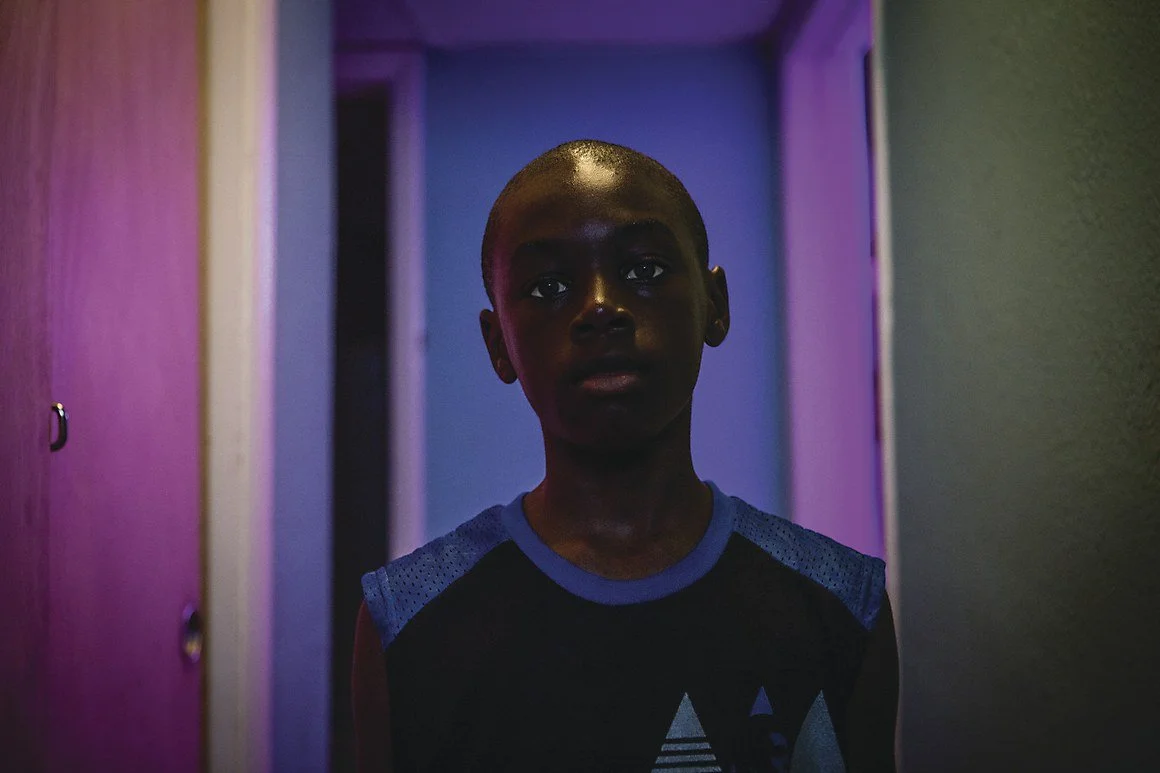
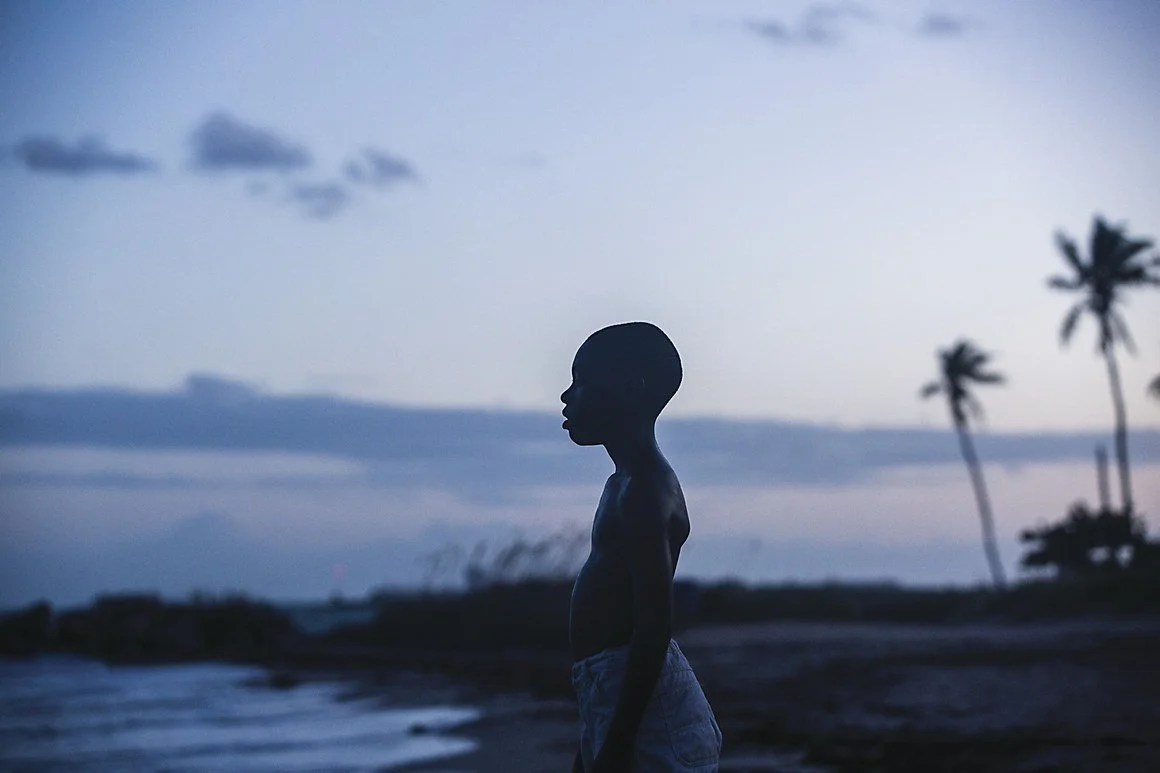
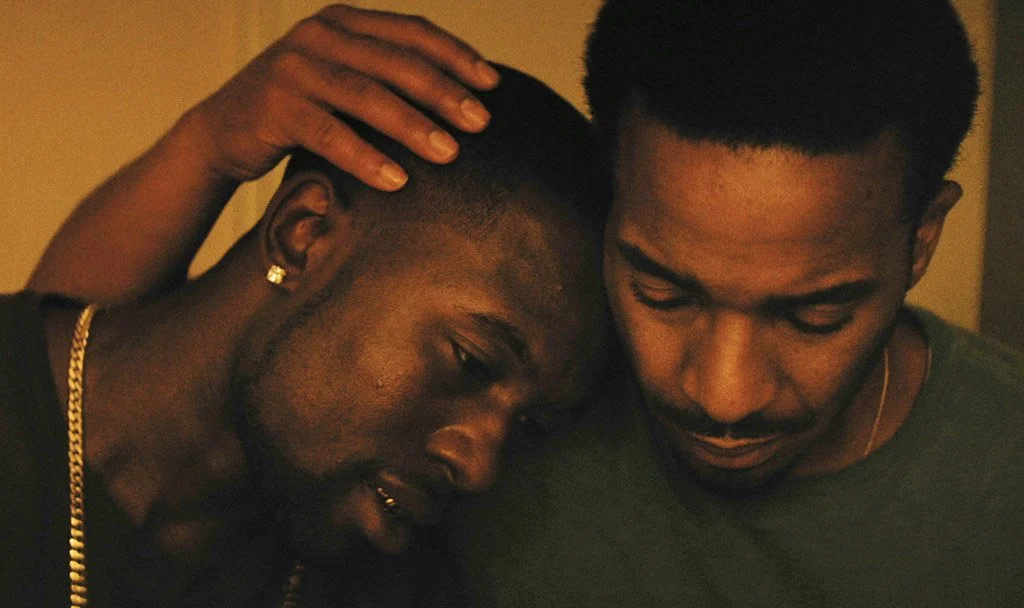
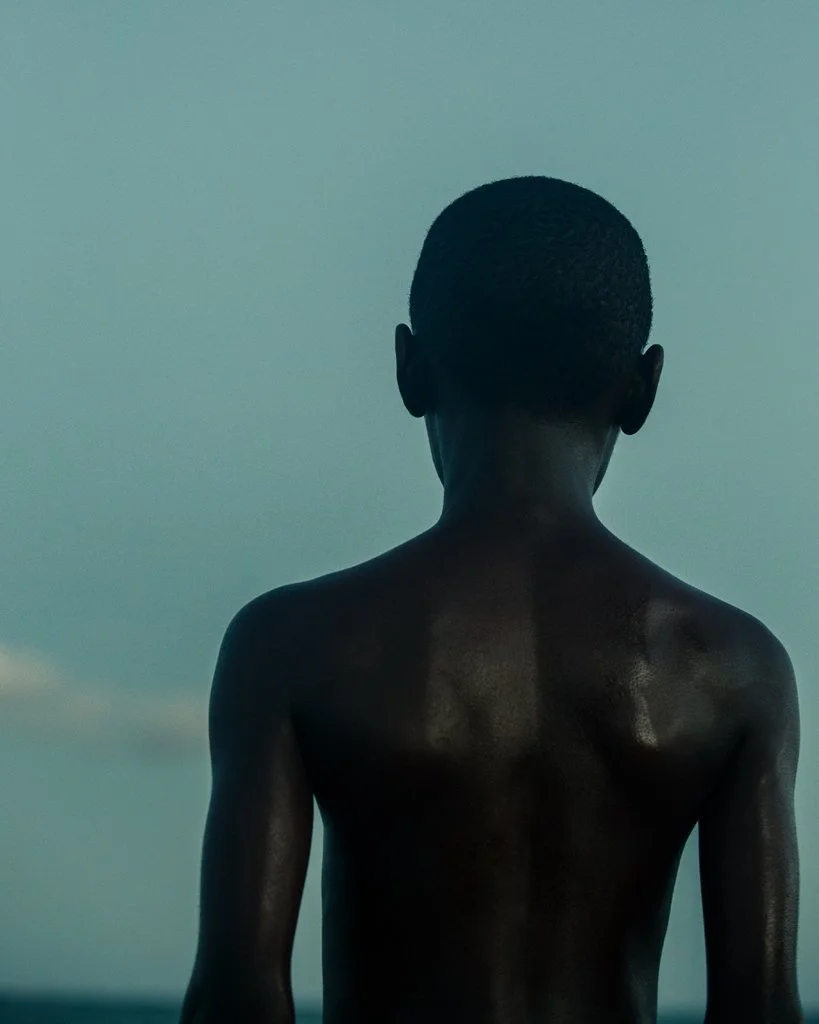
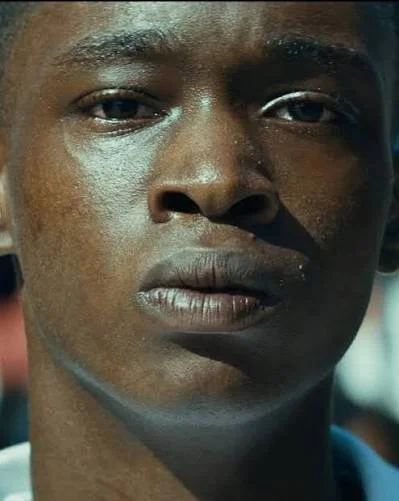
Critic Josh Lee called the film, beneath all its complexity, "a simple and powerful affirmation of queer Black men"—the kind of representation usually gatekept within White boundaries. TV dramas Queer as Folk and Will & Grace had, in their own way, done real work for gay visibility on screen; but neither had much room in them for a character like Chiron.
What makes the anniversary uncomfortable is how little company Moonlight still has. Queer TV and cinema have grown considerably since 2016, with movies like 2017's Call Me by Your Name, 2018's Love, Simon, 2019's Portrait of a Lady on Fire, and more recent films such as 2023's All of Us Strangers and Bottoms. But Moonlight stands alone in what it does for queer Black masculinity. It's a film that refuses to treat two entities—being gay and being Black—as separate facts requiring separate scenes. A decade of prestige TV has multiplied queer stories, but it hasn't multiplied this one.
If Moonlight made its case on screen, Frank Ocean made the same case on record—and did it, tellingly, through the one instrument that critics rarely associate with Black masculinity at all: restraint.
"Nikes" opens Blonde with a voice pitched up past its own register before dropping into Ocean's natural baritone, a varispeed effect he returns to throughout the album. DAZED's 10th-anniversary oral history of the record points to the song's brief, unflinching nod to Trayvon Martin as a quiet, haunting reminder that his death could happen to any young Black man listening.
"Boys do cry," Ocean wrote around the album's release, "but I don't think I shed a tear for a good chunk of my teenage years. Here, in just one line, he exposes the economy that the album spends its run-time refusing. One fan told DAZED that the record "gave boys my age access to a musical and emotional vocabulary that hadn't existed before".
The influence is audible rather than declared. The alt-R&B lineage that followed—Steve Lacy, Daniel Caesar, Brent Faiyaz, Giveon—inherited Blonde's core move: a falsetto that refuses to resolve, feeling that arrives sideways instead of announced. None of them needed to credit Ocean directly for it to be obvious.
Blonde made withholding Black male vulnerability sound like an emotion, rather than the absence of one. Between Ocean, Lacy and Tyler, the Creator, there is now an abundance of Black men working audibly outside the archetype expected of them: the hard, the tough, the emotionless—even if the archetype still commands the bigger platform.
For exactly as long as Moonlight and Blonde have existed, a louder, better-funded alternative has been recruiting the same audience away from precisely that patience. Take Fresh and Fit—a podcast hosted by Myron Gaines and Walter Weekes, built around dating advice and "self-improvement" for men. It has over 1.5 million YouTube subscribers and survived a 2023 demonetisation by rebuilding across Twitch, Kick, Rumble and Spotify.
Fresh and Fit is one of the most visible faces of what's increasingly called the Black manosphere: a strand of the wider movement aimed specifically at Black men, selling distrust of Black women as self-respect. Its reach could be directly connected to the ballot box—Donald Trump's 2024 gains among younger Black male voters were built in part on the same "performative hypermasculinity" these spaces reward daily.
Black men are promised the same things that patriarchy promises every man—authority, money, desirability and control—but race interrupts the bargain before it can be honoured. Whiteness still determines which men are most readily allowed to possess any of it, which leaves the entitlement intact and the delivery missing.
“Black men are promised the same things that patriarchy promises every man—authority, money, desirability and control—but race interrupts the bargain before it can be honoured.”
Hypermasculinity becomes the argument for the debt: be harder, louder, more certain, and the racial insecurity underneath can be downplayed. It's a trap either way, because that toughness is being encouraged in a culture that already reads Black men as threatening and emotionally unavailable, leaving very little room to express vulnerability without appearing to have failed masculinity altogether.
The cost of that argument doesn't fall on whoever is refusing to honour the bargain. It falls on Black women, who absorb the assertion of dominance and the violence used as the cheapest available proof of a birthright that the world outside the community keeps declining to recognise. Insecurity in Black men does not stay with Black men; it makes the patriarchy measurably worse for the women closest to it.
The contrast with Chiron and Ocean's depiction of Black manhood isn't subtle. Both refused to perform certainty for an audience; the Black manosphere sells nothing else. It has built a far bigger, far more reliable audience doing it, because the platforms carrying it pay out for volume—not for the kind of quiet a $1.5 million film or a contractually-orphaned album could still afford to bet on in 2016.
This is what makes Chiron's quiet more than a refusal of the general demand that men suppress emotion. As a Black man, he is refusing a version of masculinity that race and gender have jointly decided for him: how loud, how hard and how invulnerable he is supposed to be. Ocean refuses the same settlement in a different medium. Neither is just rejecting toxic masculinity alone. Both reject the racial insecurity holding it up—because, in the Black male experience, the two arrive together.
As Moonlight returns to cinemas for its 10th anniversary, it unveils itself to an audience many times the size of its original opening weekend. An audience that has since been sold the opposite of everything that Chiron and Frank Ocean were quietly standing for. To find our way back is to make this 10-year milestone truly worth commemorating.
The new 4K remaster of Barry Jenkins' 2016 classic is now screening at select cinemas. Stream Frank Ocean's Blonde below: