

The Making of Mýa: Legacy, Liberation and Lasting Joy
As one of R&B's most enduring and influential voices, Mýa needs little introduction. Nearly three decades after her classic debut, the R&B icon retraces the journey from those formative moments to her 10th studio album, Retrospect—a love letter to the funk, soul and memories that raised her.
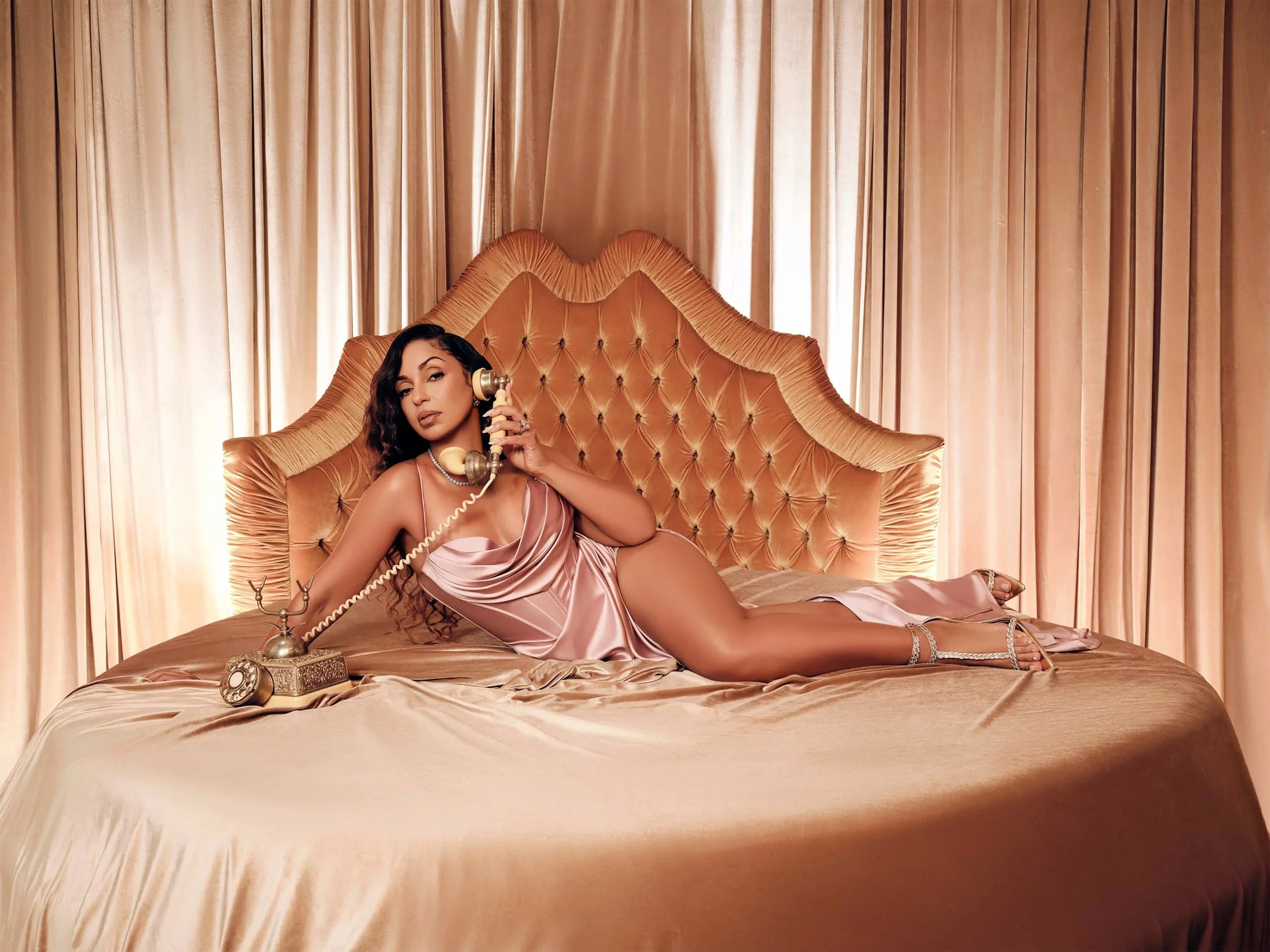
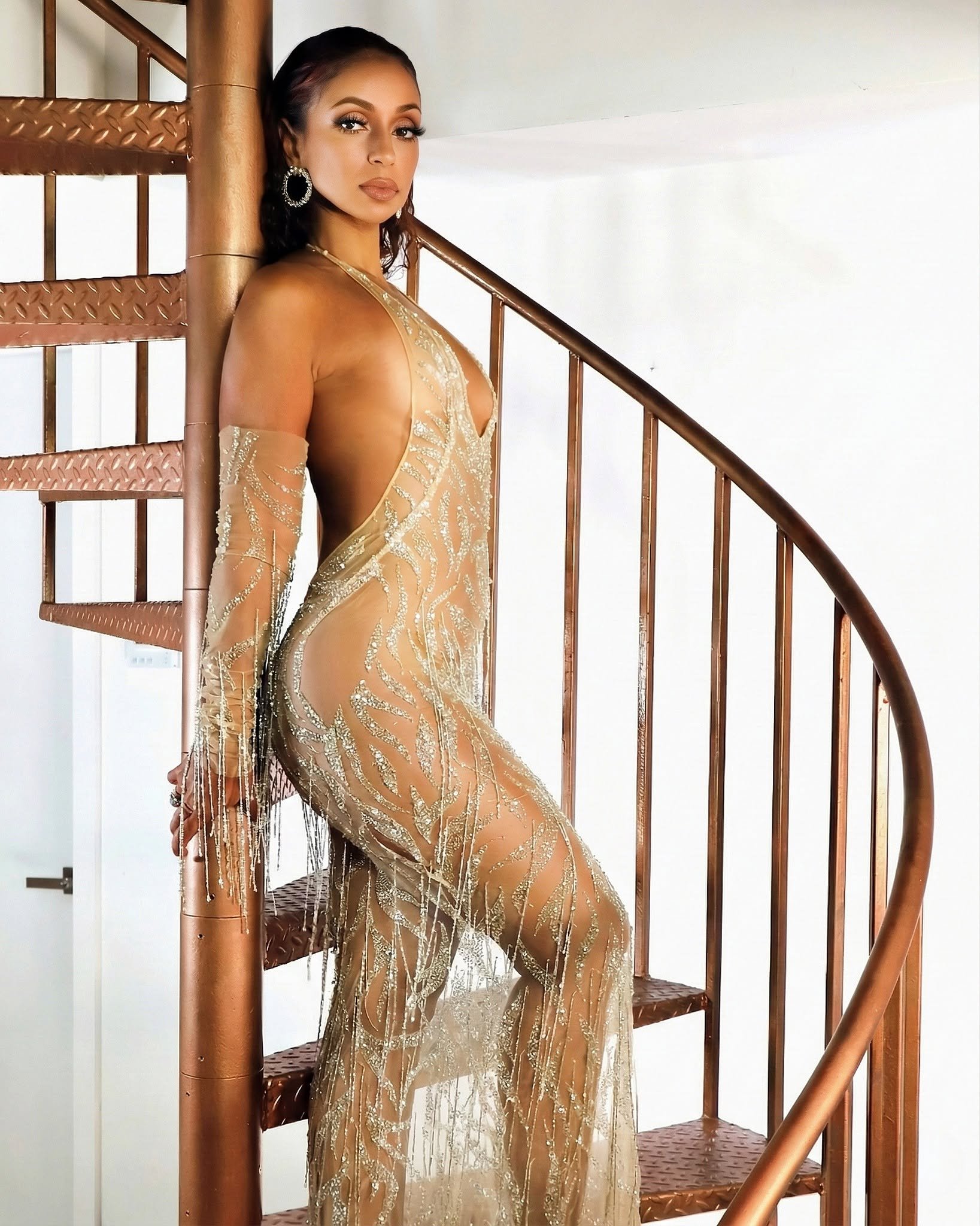
Mýa in 2026. Image property of Jack Alexander and Planet 9.
As the clock hands crept towards midnight on New Year's Eve 1997—following a year that gave us Erykah Badu's Baduizm, Usher's My Way and Janet Jackson's The Velvet Rope—few could have anticipated the material that 1998 would cement into the bedrock of Black music.
Indeed, the industry welcomed a sonic calendar bursting at its very seams. 1998 would see K-Ci & JoJo create a love song for the ages with "All My Life", Janet Jackson would gift us her sugar-toned "I Get Lonely" and Faith Evans would serve up the roof-raising "Love Like This". The Miseducation of Lauryn Hill would be released and live on to be crowned one of the greatest albums of all time.
There's more. Destiny's Child unveiled their self-titled debut and Aaliyah, in her now immortalised prime, released "Are You That Somebody", followed by Monica and Brandy's eternal hit "The Boy Is Mine". The late '90s soundwaves pulsed with a symphony of R&B greats—it was the best of times, the glory days.
And amidst it all, writing herself into history with delicate vocal tones and a multifaceted love of art, was a curly-haired teen from the DMV—she went by the name of Mýa. In the final weeks of April 1998, at the tender age of 18, she released her inaugural debut album, Mýa. This marked the beginning of a career that would survive the fickle and unforgiving twists of the music industry, and her entry into an R&B soundscape that she'd play her hand in shaping.
Today, Mýa views this younger self as "a girl who really exercised discipline to make it happen—as a student who was willing to wait her turn and educate herself so that she could end up in a place of empowerment". There's a reason that she's able to utter these words whilst still releasing fresh music almost three decades later. "The one thing I've never done is give up on myself."
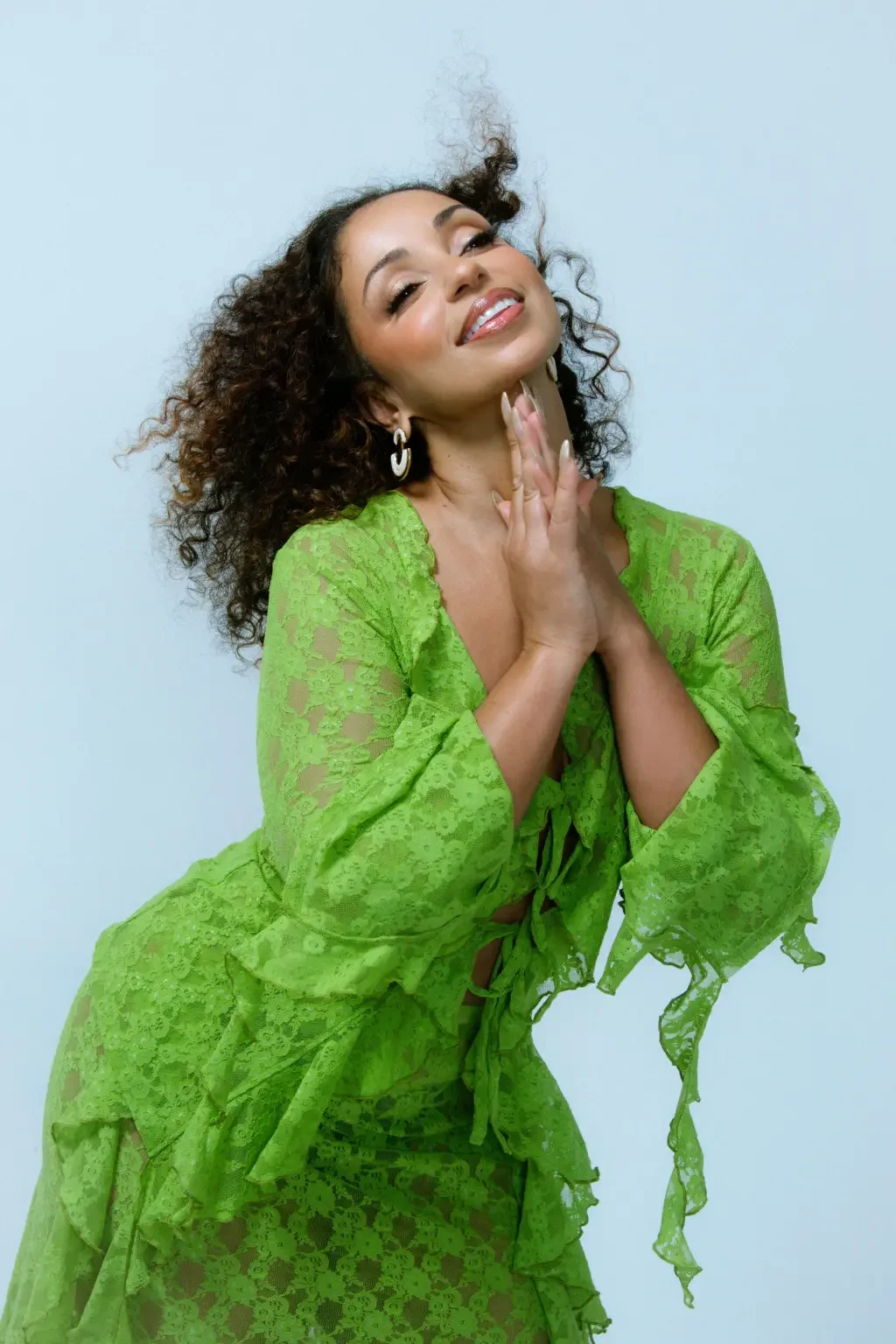
When Mýa sits down to share a little piece of herself with The Culture Crypt, she joins me via video call from her car in sunny Maryland, where she grew up. The ageless Mýa—spoken of so highly by so many—is exactly who they say she is. Any nerves that I had whilst coming face to face with one of R&B's longest standing household names are allayed by her warmth and humility.
Riding a wave of creative euphoria following the release of her 10th studio album Retrospect this May, Mýa takes us on a journey that extends far beyond the 28 years since her debut. To truly connect with the meaning of her new album—doused in timeless funk, soul and R&B—we must start somewhere very specific: in Mýa's childhood living room.
"Retrospect is a look back, literally, into my living room growing up." She shares. "My very first influences. The record collection that my father and my mom shared. Being fascinated by how the vinyl would move in a circle and how the needle would make a sound when it hit the wax… All of the music that I'm making now was already in my veins."
Hailing from Washington, DC, Mýa was born into a thick history of musical greatness. She shares a birthplace with Marvin Gaye, Roberta Flack, Chuck Brown and Duke Ellington, but the most poignant inspiration would start even closer to home. Her father, Sherman "Hajji" Harrison, is a musician, singer and leader of DC musical ensemble, Jump Street—she grew up closely observing his hustle. "I literally watched him record, print his own vinyl and walk it to the radio stations, really grind and really perform."
“‘Retrospect’ is a look back, literally, into my living room growing up. My very first influences. The record collection that my father and my mom shared. Being fascinated by how the vinyl would move in a circle and how the needle would make a sound when it hit the wax.”
Mýa was submerged in the live music that her father and his band rehearsed in the living room. "I would sit on the musicians' laps and they would treat me like their daughter and teach me how to play things on the drums. It was always a party in my living room, it was just so electric, the neighbours were always complaining."
It should come as no surprise, then, that young Mýa nurtured a multifaceted creative spirit. Her first love was dance, explored through the avenues of ballet, jazz and tap in early childhood. And like her mother and grandmother, she also loved to draw. "People probably don't know that about me. I used to sell portraits when I was in high school—that was like my side hustle. I used to sketch a lot of outfits too."
But her passion for music would be the making of Mýa. Her parents' record collection—home to the likes of Stevie Wonder's Songs in the Key of Life and Hotter Than July—provided an early soundtrack, and she lights up whilst remembering "rushing to the television on Saturday mornings to see Soul Train", soaking in the Black joy on the screen.
Adolescence led Mýa to the door of the recording studio. By 1998, she burst onto the scene with her self-titled debut album, featuring then-industry heavyweights Sisqó, Missy Elliott and Silkk the Shocker. The following month, she would join Pras (of the Fugees) and the late Ol' Dirty Bastard (of Wu-Tang Clan) on hip-hop heirloom "Ghetto Superstar". Later that year, her vocals illuminated the beloved Rugrats Movie soundtrack with "Take Me There", alongside the R&B group Blackstreet and rappers Mase and Blinky Blink.
Looking back, she reflects: "Being a young girl in your teens, you're watching everything, you're an observer. You're learning as you go, in front of the world." And as she evolved with the industry, so did fans. She says it herself: "They grew up with me."
Mýa's sophomore record Fear of Flying dropped at the turn of the century, hosting her most famous solo track, "Case of the Ex (Whatcha Gonna Do)", which remains a defining R&B anthem. 2000 also saw her team up with Jay-Z for "Best of Me, Part 2" (a hit that far outplayed its original album version featuring Jadakiss) as well as Beenie Man for his dancehall-fusion smash "Girls Dem Sugar", which has aged as well as its female vocalist—"26 years later and people still love the record", she muses.
“Independence has allowed me to hold onto the child in me... The love of music has been preserved. I’m having more fun now than I was when I was a teenager!”
Then there was the culture-shifting "Lady Marmalade" from the Moulin Rouge! soundtrack in 2001. Flanked by P!nk, Christina Aguilera and Lil' Kim, Mýa played her part in one of the most triumphant female collaborations of the noughties. Two years later came her third album, Moodring, home to the R&B knockout "My Love Is Like... Wo", which perhaps marked the pinnacle of her early commercial career as a signed artist.
Despite the unplanned redirection that was to come, Mýa looks back warmly at this chapter of her artistry. "All of those hit singles were great. I have love for major label systems—if they're functional and if you're a priority, you can really win big. Especially during that time when there weren't so many artists and no social media. Labels were great to invest in you and make you a household name."
However, after a home run of commercial success, things took a turn. In 2007, Mýa's fourth album, Liberation—now something of a cult classic for those who found their way to it—was unfortunately derailed by a series of label delays and an accidental early release. This led to Mýa taking a path of independence that would change the trajectory of her career.
"I look at the journey from a very grateful lens." Mýa reflects. "That album had to get leaked to propel me into the independent space so that I could become a better performer and a better artist. So that I could be a better businesswoman to help others and learn so many different skillsets that no one can take away from me now. And also allow me to empower others that are in need, especially women, especially young girls coming up in this game. It all shaped me to be someone that I'm really proud of, 10 toes down."
But perhaps most importantly, this was the path that protected the spirit of that curly-haired teen from the DMV who broke out in 1998, and the little girl who came before her. "Independence has allowed me to hold onto the child in me, to the girl in high school that just was doing things because she just loved to do them."
And despite the "dynamics and the devastations and the changes," Ms. Mýa has not been worn down. Even when speaking to her via video call from halfway across the world, the excitement that she still has for her craft is palpable. She says it herself: "The love of music has been preserved. I'm having more fun now than I was when I was a teenager!"
If we bring the needle forward to 2026, the love is still burning strong. Her new album Retrospect is a window into that childhood living room where it all started. In 2020, Mýa found solace in recreating this musical haven through carefully curated personal playlists. These soundtracks featured Rick James, Prince, Kool & The Gang, Cameo, Earth, Wind & Fire and The Isley Brothers—a sonic world that brought her immediate joy in the dystopian world of the pandemic.
Inspired by the heavy basslines and synth-driven sounds of 1970s and '80s Minneapolis funk—alongside memories of the skating rinks, family gatherings and "the good times" that raised her—she wrote much of the music that features on the project today. The album in its final form thus strikes a balance between universal nostalgia and the deeply personal. It's dedicated to her parents and the enriching experiences that they gave her with music. "It is why I'm here doing what I love. It's for them."
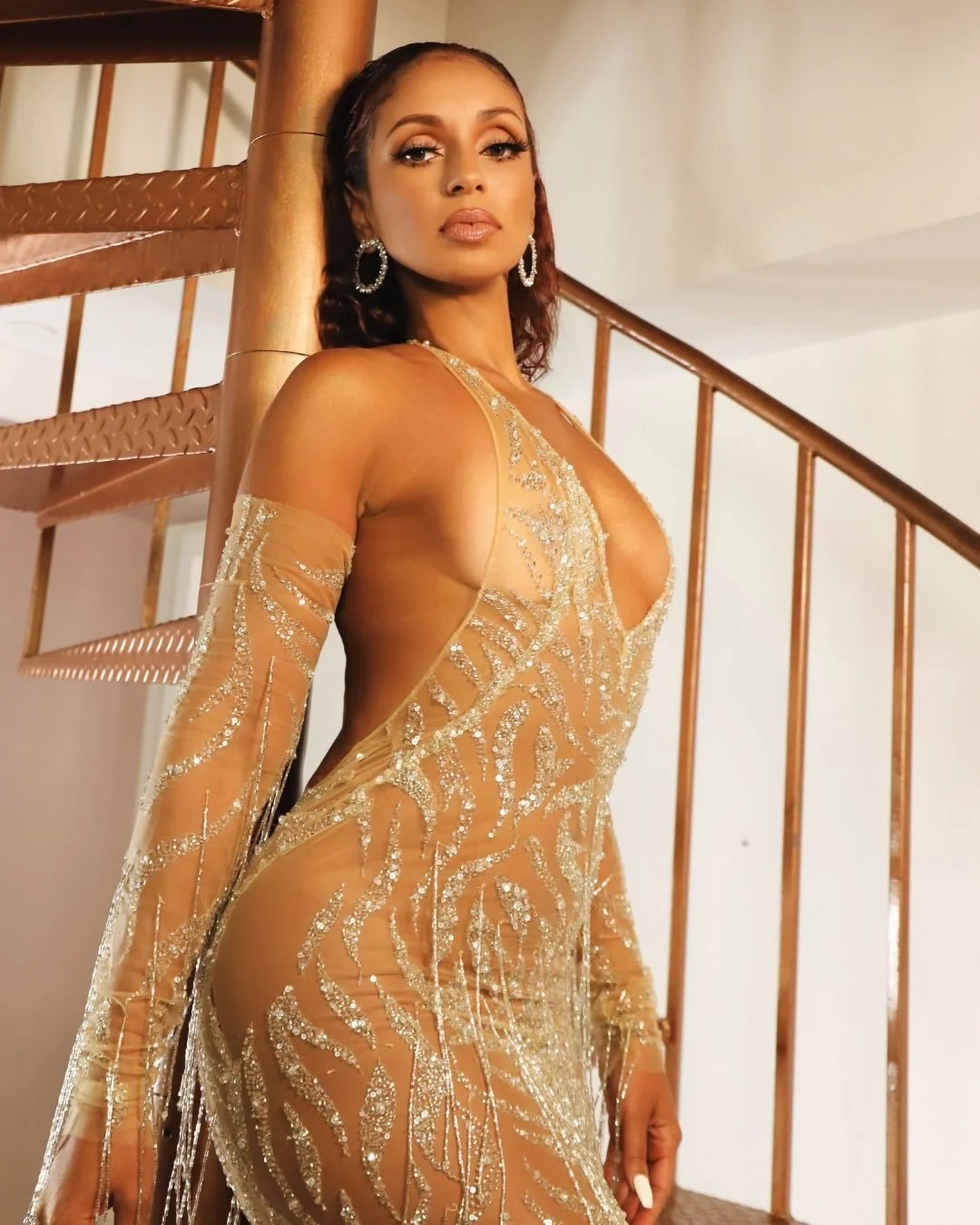
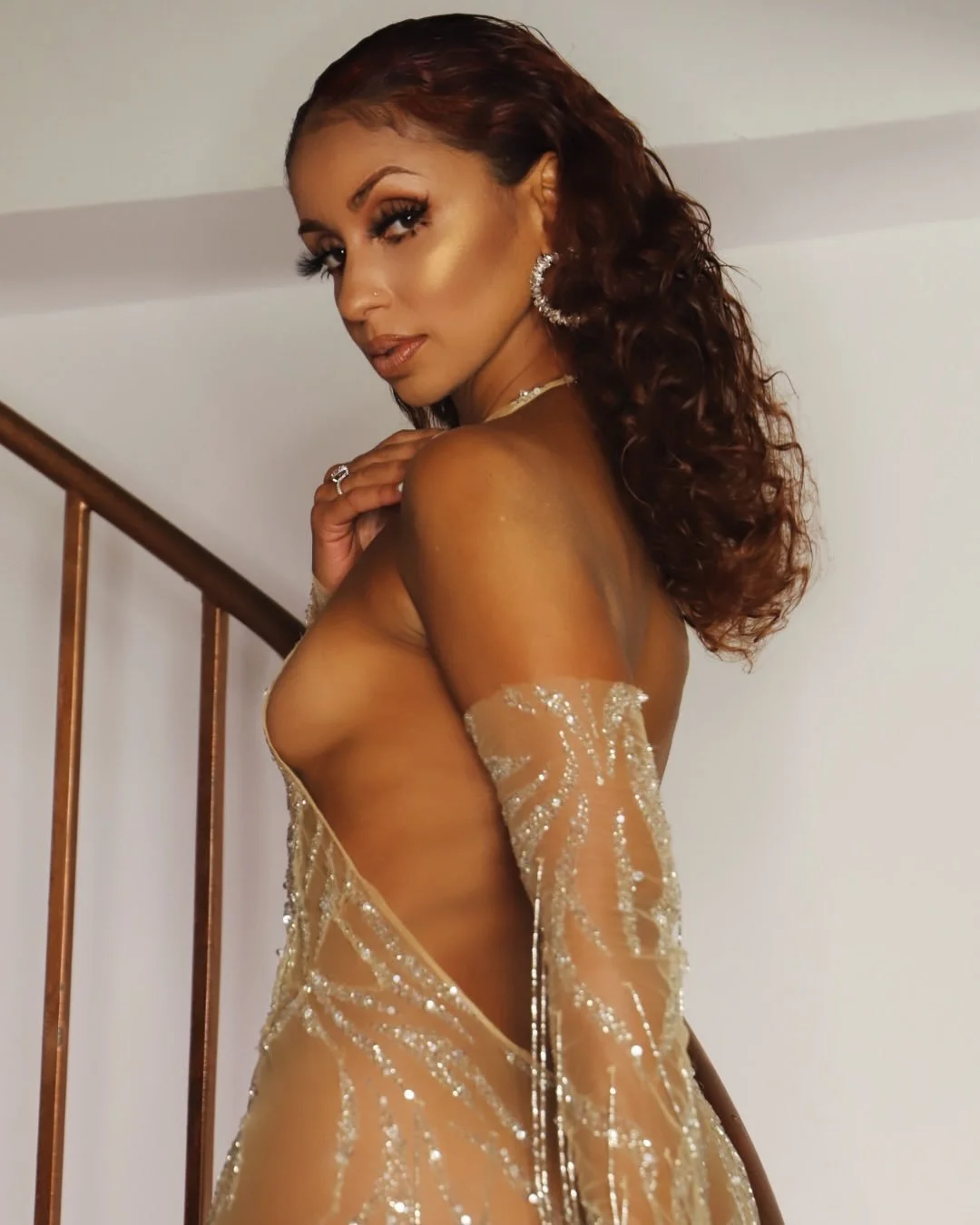
Mixed and mastered with spatial audio techniques unheard of in her early days, Mýa has curated a project that allows us to "feel the experience of being inside the music". The specially-selected guest features add another layer to this immersive affair.
West Coast hip-hop veterans, Snoop Dogg and Too $hort lend their bars to the floor-filling "No Pressure" and lead single "Just A Little Bit" respectively—two tracks that give you no choice but to get up and move. Other special guests include 21 Savage, Joyner Lucas and D-Nice.
The remaining collaborative bonds run even deeper. DMV rapper Phil Adé, who grew up in the same area as Mýa, graces the intimately personal "Face to Face". "I really lean on Phil for his bars because he brings it lyrically every time," she shares. Laid-back Michigan rhymer Dizzy Wright also joins Mýa on "Games With My Love"—a fitting collaboration, given Mýa first met him when he was nine years old. "All the ladies I reached out to were busy. It's gotta be ladies' night for the deluxe."
It's been eight years since her previous album, T.K.O, a slower-tempo offering that cranes its neck back to Mýa's R&B roots—but there's no definitive reason why she waited this long. "This type of music could've come out at any point, but I think everything happens in divine time."
And time truly is no issue when you're an artist who defies it. As we wrap up a conversation that could have lasted until the sun set and rose again in London and Maryland, we reflect on what was so special about the golden era that Mýa played a role in creating—and outlasted.
"What was it actually about those times? There was still music composition. There were still bridges and modulations in songs. The music was very honest. The songs were longer than two minutes. There was no social media. There were no cell phones. We had to wait in line around the block for a single or album release signing on cassettes or CDs…
And vinyl is the most precious thing now because it takes you back further than the '90s. It's memorabilia that people can hold onto, and it sounds different. There's an energy captured on wax that can't be duplicated with the digital world, with AI, with anything. The literal energy in the room when you recorded that song—it can actually be felt in someone's soul."
Perhaps that's why appreciation for vinyl is on the rise, unencumbered by the explosion of technology and digital streaming; why people will spend an arm and a leg to see their favourite artists perform live, and why physical media will never really lose its magic. There's just something special about art that you can see, feel and hold onto.
And there's something about nostalgia—about the artists who have been around for your whole lifetime. The Mýa of today, the Mýa of yesterday, and all of us who appreciate her legacy can be grateful for that. "I think the young Mýa would be excited if she knew that I would turn into a woman who knows herself and is in full control of her destiny, still doing what she loves. I would just give credit to faith and the joy and gift of music, 'cause that's really the most important thing at the end of the day. That's the real deal."
Stream Retrospect below: