

South London Rapper Catch Is Ready to Address It All
Following the release of her acclaimed new mixtape, Lewisham storyteller Catch is taking a moment to reflect on ambition, carving out space in a male-dominated rap scene and the journey that brought her here.
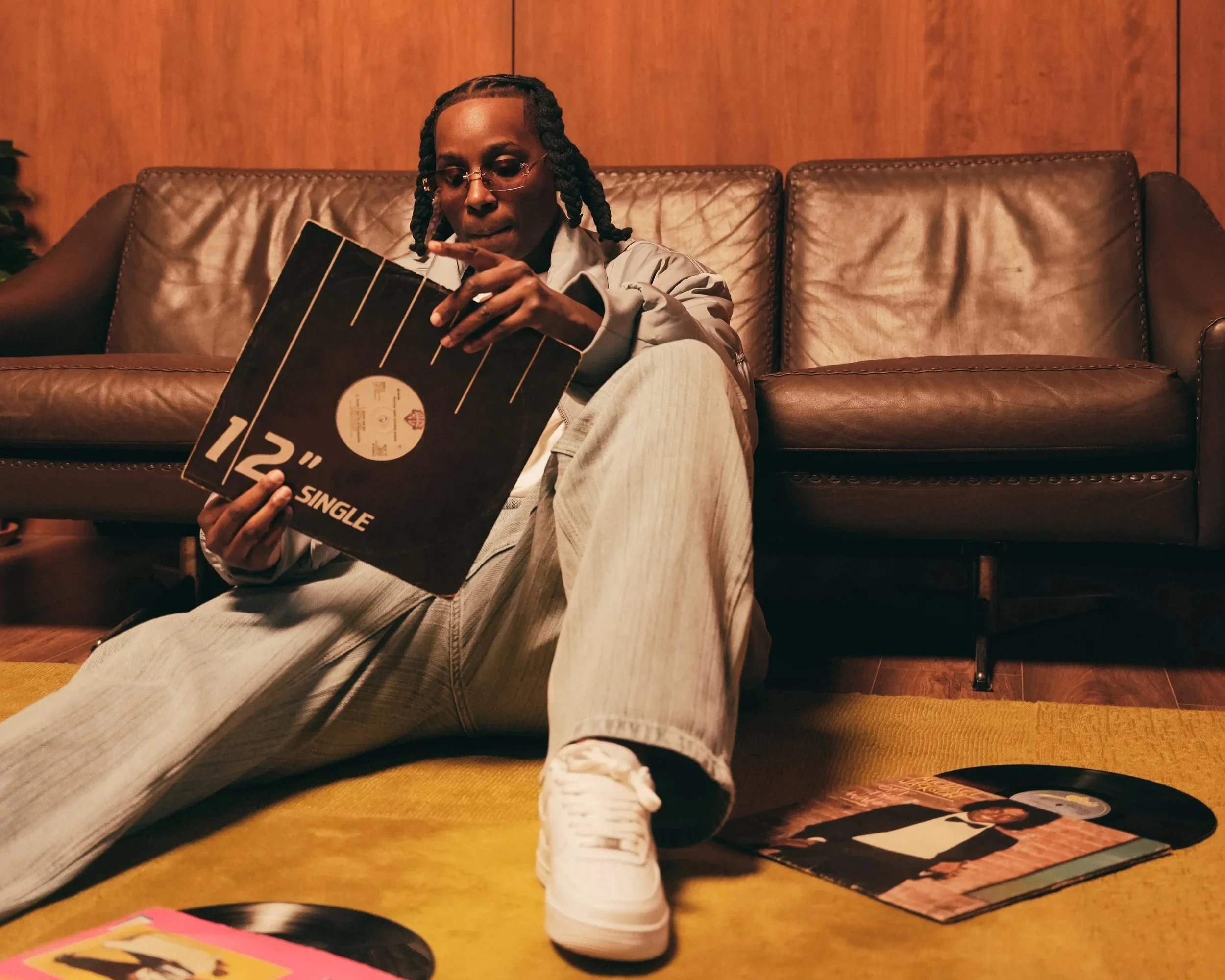
Catch in 2026. Image property of 4PM Recordings.
Over the past two years, Catch has quietly become one of UK rap's most exciting new prospects, delivering lyrical haymakers left, right and centre. The Lewisham rapper first turned heads through a string of viral freestyles before earning co-signs from some of the scene's most respected names (cough, Dave), building a reputation for emotionally charged lyricism that draws as much from weathered lived experience as from the block from which she sprang.
Now, with her debut full-length mixtape The Elephant In The Room, Catch arrives at the biggest milestone of her career so far. Across 13 tracks, the South London emcee takes the personal anecdotes she's become renowned for and irons them out into her most fully realised body of work yet, framing the project as both a line under one chapter and the beginning of another.
Over the years, we've seen conveyor belts of rappers with great tracks and storytelling ability who never quite develop a hitmaker's ear. Catch, while keeping her music firmly rooted in authenticity, landed one of her catalogue's defining moments through a touch of magic. "Heisenberg", produced by the aforementioned UK rapper and beatmaker Dave, cemented her status as one of UK rap's brightest new voices. Built around a haunting flip of Elmiene's "Marking My Time", the lead single gives Catch the space to unpack her world-weary thoughts over a soulful, slow-burning backdrop.
At the heart of The Elephant In The Room is a sense of transition. The project looks backwards as much as it does forwards, revisiting the experiences that shaped Catch while embracing the opportunities and challenges waiting around the corner. For Catch, the title represents far more than a neat turn of phrase. No, instead it reflects her own position within the rap landscape, where she feels her talent is becoming increasingly difficult to ignore—and, frankly, impossible to keep overlooking.
With Catch repeatedly recounting the haunting realities of incarceration on tracks like "100 Missed Calls", The Elephant In The Room ultimately transforms those experiences into a strong sense of gratitude and resilience; a balance that complements her confidence beautifully. In discussing her South London roots, the significance of the number 13 or notions of success on her Figs0 collaboration "Life's Good, Life's Great", Catch consistently emphasises the importance of appreciating the present while continuing to push forward.
The latter track is around a sample of Willie Hutch's "I Chose You", and it honours rap's history while firmly planting itself within the lineage of UK rap, transforming the 1973 classic into an empowering victory anthem. That balance of reflection and confidence sits at the core of The Elephant In The Room.
In our conversation, and across much of the tape itself, Catch reflects on being labelled "your favourite rapper's favourite rapper", the pressures that come with rising expectations and her desire to create music that evokes genuine emotion in listeners. Fresh off the release of The Elephant In The Room, The Culture Crypt sat down with Catch to talk about the inspiration behind the project, the experiences that shaped it and the legacy she hopes to leave behind.
The Culture Crypt: The Elephant In The Room is a striking title. Was making this mixtape more about confronting the past, celebrating the present or reconciling both?
Catch: "I think it's a mixture of both. The intro is quite reflective and looks back at certain moments in my life, while the outro is more focused on what's happening right now. For me, it feels like saying goodbye to one chapter and stepping into the next. It's about acknowledging where I've come from while also embracing where I'm heading."
What does the mixtape title mean to you?
"For me, it's exactly what the phrase suggests—it's the thing that's there for everyone to see but isn't always being spoken about. Right now, I feel like I'm the 'elephant in the room'. Within the rap scene, I know what I'm capable of and I know where I want to be. Sometimes it feels like people haven't fully accepted that yet, whether that's because I haven't been around for very long, because I'm a woman or for other reasons. But that's fine. I'm ready to keep working and keep proving myself."
Being a woman in rap often comes with a different set of expectations. How have those experiences influenced the way you move through the industry?
"There's definitely a lot of pressure [as a woman in rap]. You have to understand quite quickly that you're going to have to do more just to be viewed on the same level. Sometimes it feels like other artists can release a few tracks and immediately get certain labels attached to them, whereas I feel like I have to work twice as hard. But I love the challenge. I love being compared to some of the greats, even when those comparisons come with criticism. There are so many talented women making music right now and we're all showing that we belong in these spaces too."
“There’s definitely a lot of pressure [as a woman in rap]. You have to understand quite quickly that you’re going to have to do more just to be viewed on the same level.”
The Elephant In The Room explores some heavier themes, while "Life's Good, Life's Great" carries a sense of celebration and gratitude. How do those two ideas come together across the project?
"I always try to work from a place of truth. When I first heard the instrumental for 'Life's Good, Life's Great', it genuinely made me feel good. It made me reflect on everything I've achieved so far. This project is a huge achievement for me because it's something I've dreamed about for years. Life is better than it's been and I wanted to celebrate that. Even though parts of the mixtape are reflective, I also wanted to acknowledge the positives and enjoy the moment."
The number 13 appears throughout the project. Why is that number so significant to you?
"I'm from the SE13 area of Lewisham, so the number has always been part of my identity. It carries a lot of personal significance and has followed me throughout different stages of my life. When it came to the mixtape, having 13 tracks felt natural because it's a number that means something to me."
South London feels deeply woven into your music. How have places like Lewisham and Elephant and Castle shaped the person and artist you've become?
"Elephant and Castle played a huge role in shaping my life. I went through a lot during my time there and those experiences changed my perspective. It wasn't always easy, but it taught me so much. The area is deeply connected to my story and to the journey that brought me to where I am today."
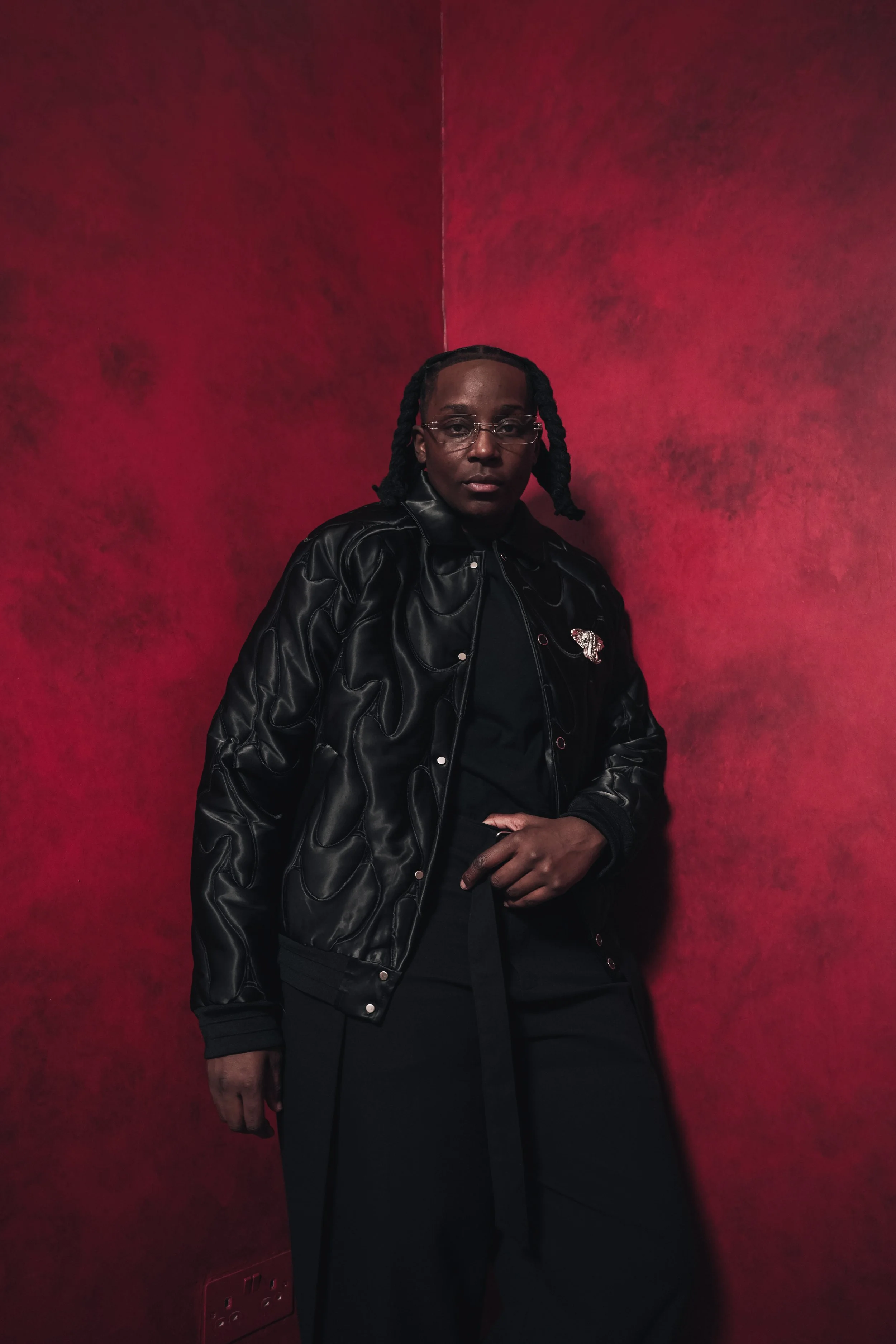
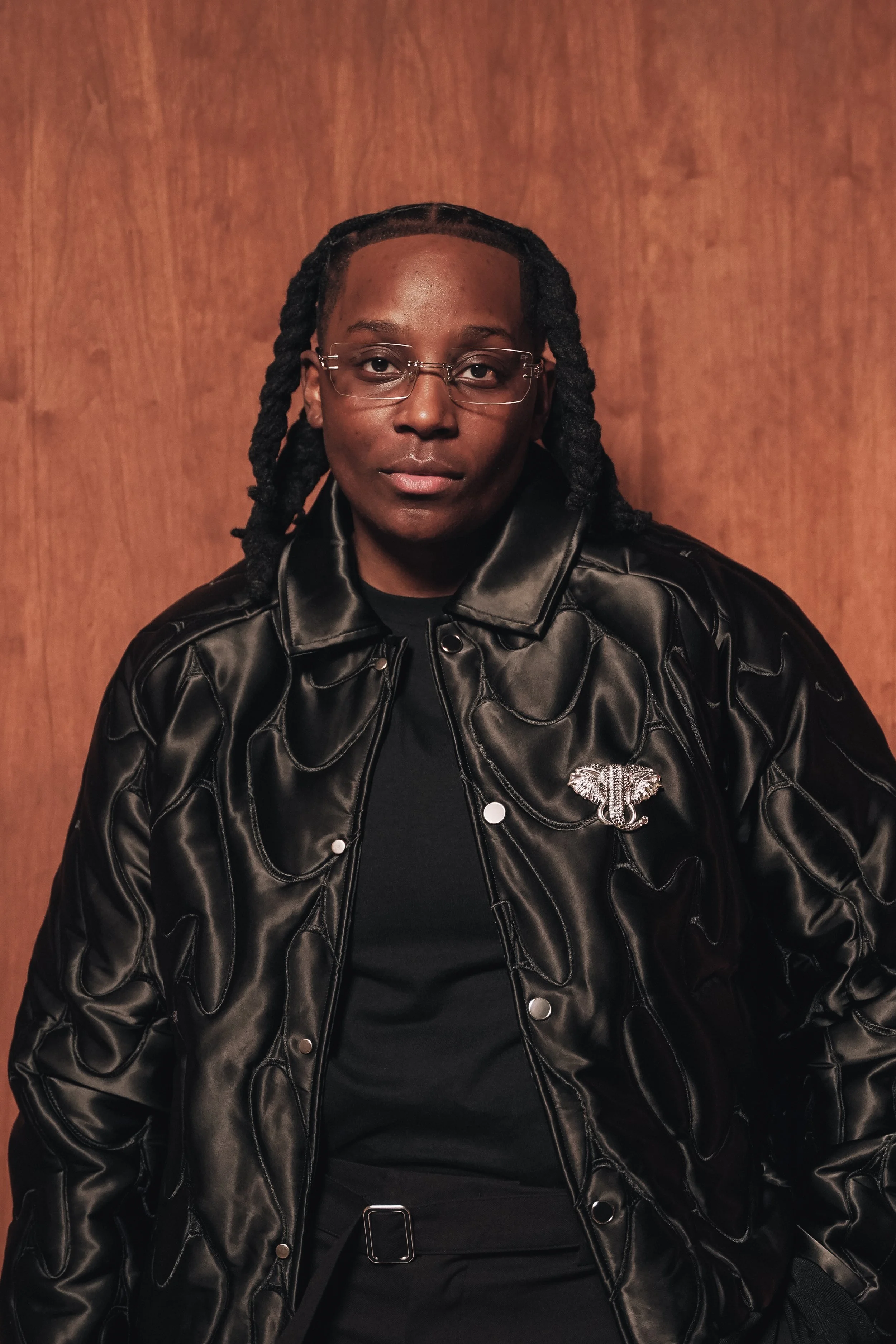

You've been described as "your favourite rapper's favourite rapper". What does that phrase mean to you?
"It's exciting, but it's also a little bit scary. The artists people mention are often artists I respect myself, so hearing that means a lot. At the same time, I'm still very early in my career. When people start putting labels on you, expectations naturally grow. I'm trying to enjoy those moments while staying focused on the work and not getting distracted by the title itself."
Your music often feels deeply visual and emotionally charged. How do you approach turning personal experiences into lyrics?
"I think I sit with a feeling for a while before I write about it. Some songs can take months because I want to capture the emotion as accurately as possible. I don't necessarily see myself as a storyteller in the traditional sense—I just try to feel whatever I'm writing about as deeply as I can. Even with freestyles, I'll sometimes wait until the last moment because I want the lyrics to reflect exactly how I'm feeling in that moment."
Looking ahead five years, what do you hope The Elephant In The Room says about the moment you were in when you made it?
"I hope people look back and realise they were witnessing history in real time. I want them to think, 'We didn't realise how important this was when it first came out.' I'm not trying to force hits or chase trends—I just want the music to reach whoever it needs to reach and genuinely connect with people."
What's next for you?
"I might start singing a little more. A lot of people don't know that I can sing, but it's something I've always enjoyed. So maybe you'll hear a few more vocals in future projects. That's definitely something I'm excited to explore."
Stream The Elephant In The Room below: