

The Flux and Flow of CARI's Musical Journey
In the wake of her debut EP, the West London singer-songwriter and multi-instrumentalist sits down with us to chat about artistry, growth and finding her voice.
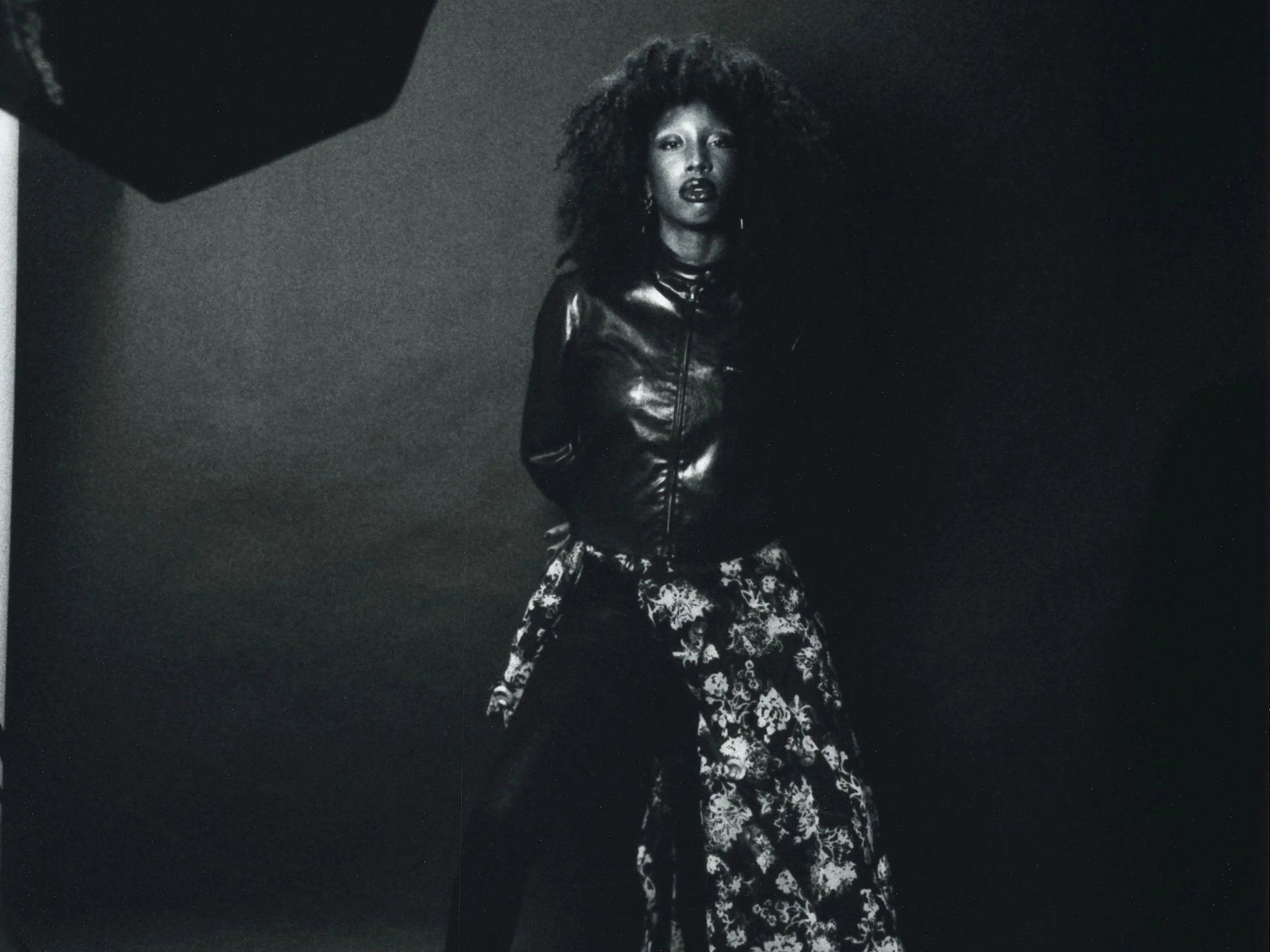
CARI in 2025. Image property of Tamiym Cader.
CARI has carved a space in the UK soundscape that is uniquely hers. With music that is grounded in feeling, honesty, and an unshakeable sense of purpose, her sound swings from the eerily beautiful to the exhilaratingly raw.
In her art, she draws from family influences, the sounds that filled her home as she grew up, and importantly, the deep-rooted impact of her childhood church. Ahead of her upcoming live shows and her table-shaking debut EP, FLUX, continuing to rock the world of new listeners, CARI sits down with The Culture Crypt to give us a window into her journey and the lessons learnt along the way.
From creation to release, CARI's musical outpourings exemplify what can become when instincts and intention work in tandem. Music danced through the earlier stages of her life, never quite in the background but not yet at the forefront. With her mother, grandmother and father all having "their [own] relationship with music", R&B, rare groove, gospel and reggae were just some of the genres that shaped the sonic landscape of her childhood and later, her music itself.
CARI does not hesitate when speaking of the church's impact on her approach to writing and performance, describing it as "the music of the music." Riffs and runs that made their home in the vocal body of gospel music effortlessly come to life in CARI's performances, with religious imagery scattered throughout her lyrics. Church also introduced CARI to playing instruments, and those close to her embraced her curiosity and openness to learn.
"My best friend Jay's uncle used to handle the music for my church, and I remember him teaching me how to play the piano. When I was three or four, people would be like, 'Oh you're making so much noise in the church,' and he'd say, 'Leave her alone, I'll teach her something.' I just remember that being a lovely affirmation."
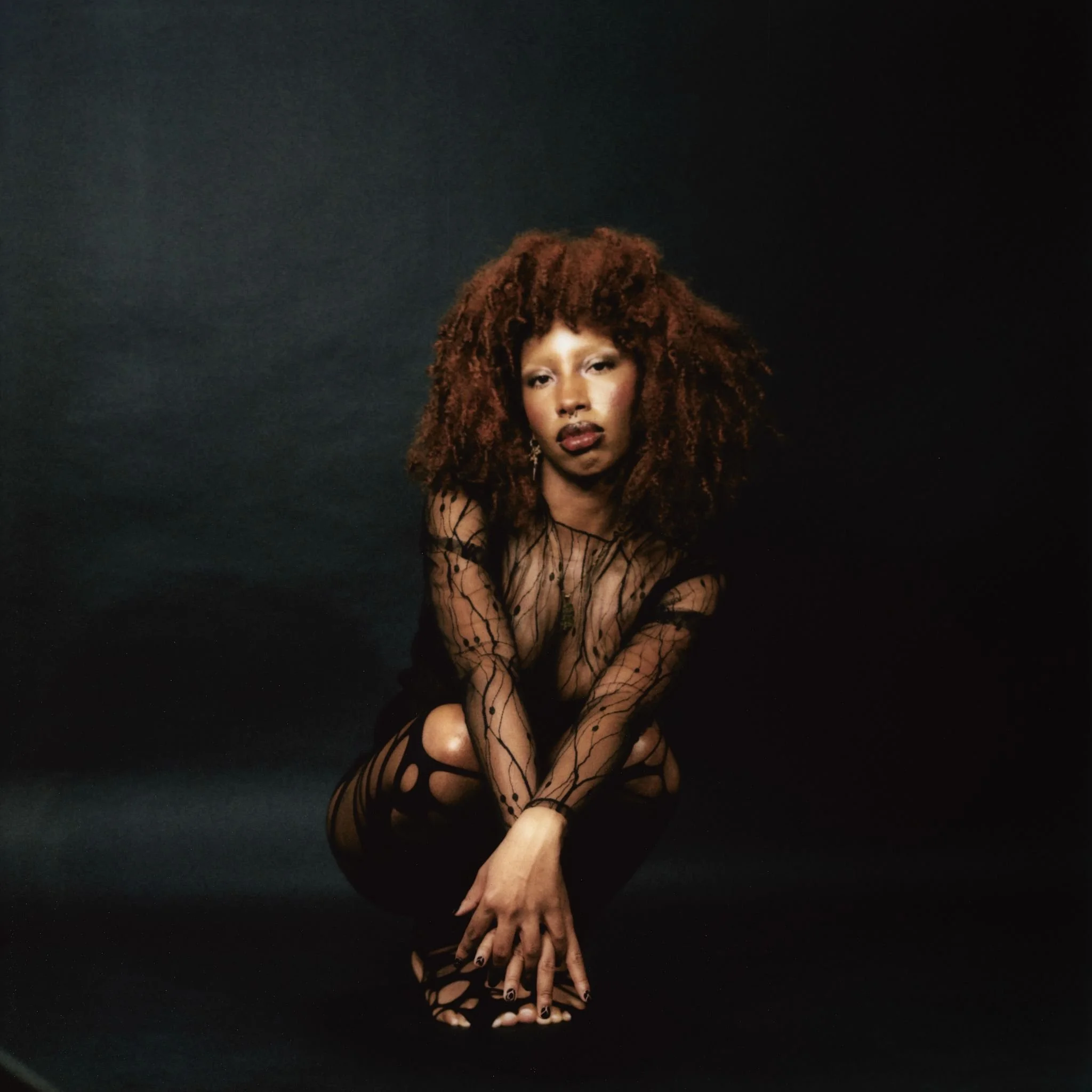
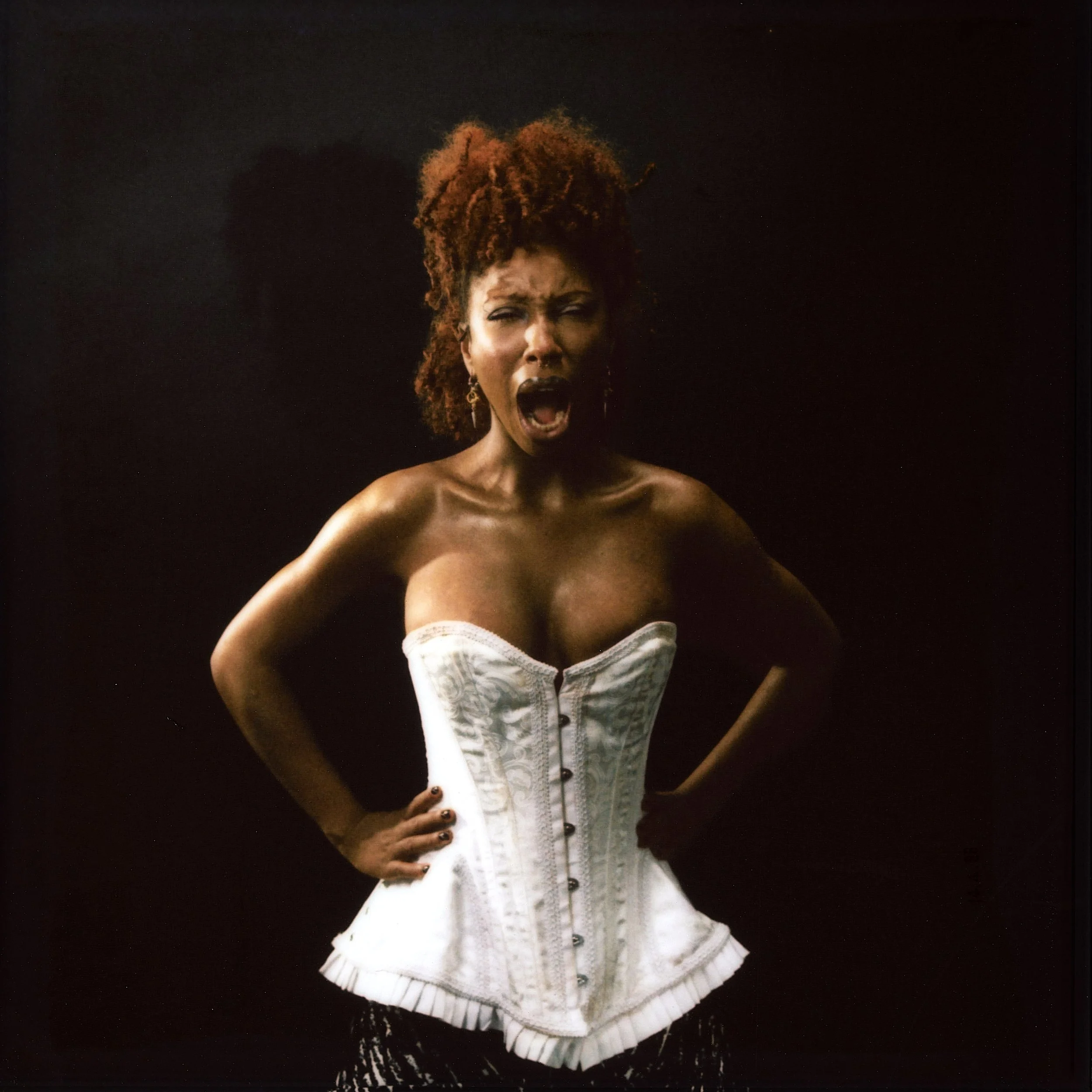
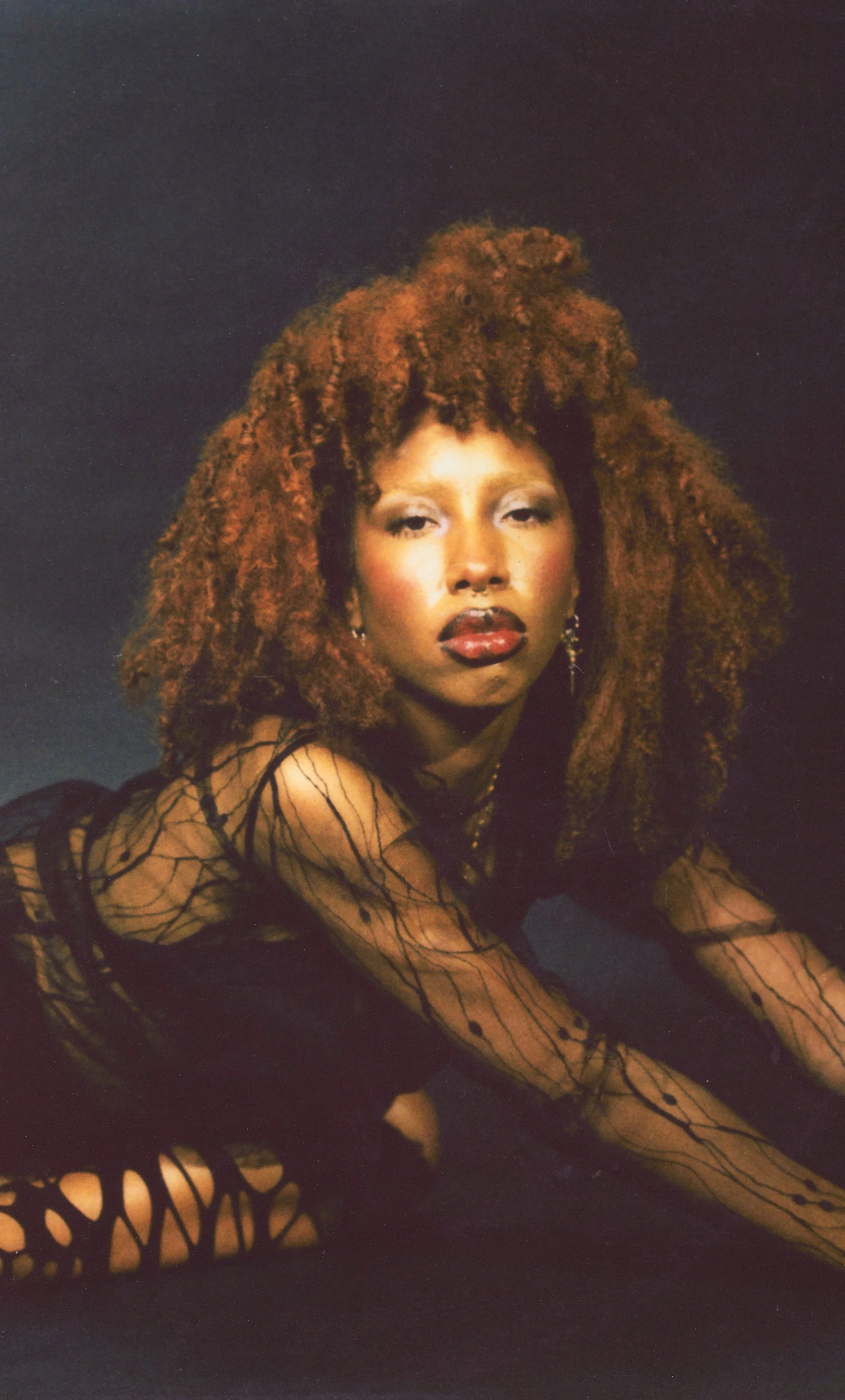
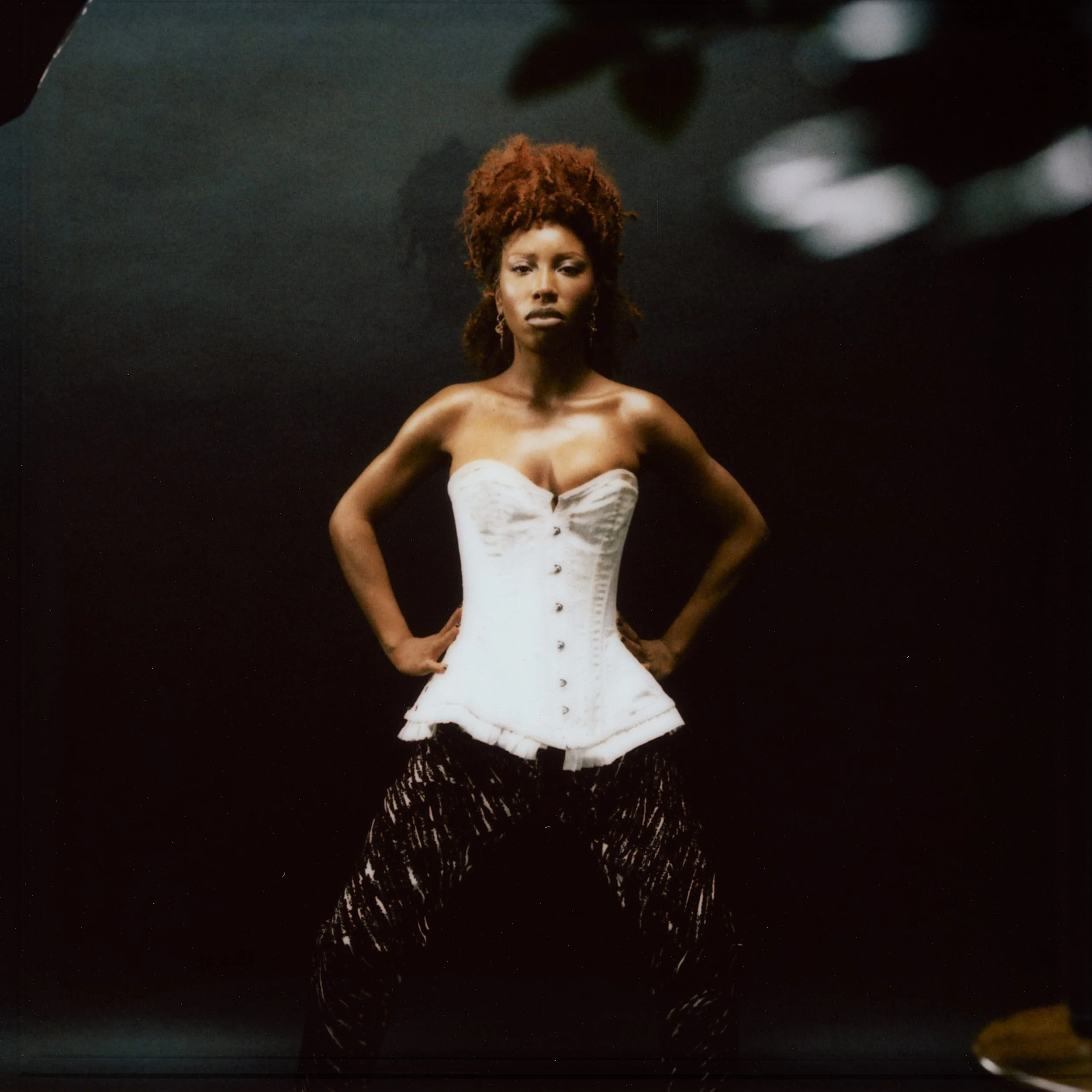
From her parents purchasing her first guitar to requests to sing at different churches, spoken and unspoken affirmations lit up CARI's path, indicating where it would eventually lead. Though she had early interests in being a human rights lawyer, when it came to music, the question was not whether it would be present in her future, but rather where and when it would position itself.
At the time, pursuing music was an idea that she toyed with but didn't immediately act upon. "I think deep down it's something I always wanted, but I didn't have many examples of it being a possibility for me until I met my best friend [and artist], TianaMajor9. As she was going through her journey: it made me realise that this is such a possibility."
Piano may have been CARI's first instrument, but guitar was the one that stayed. She fell in love with the instrument, self-taught from a slew of chord charts, YouTube videos and Guitar for Dummies. While learning to adjust as a left-handed player, CARI's initial interest emerged out of a slight crush on a fellow guitarist and a need for independence when performing.
Guitar became more than just an instrument that she could play—but an avenue to autonomy within her creative process. "Being able to play the guitar has given me agency in studio sessions. I can contribute to my music. Rather than just saying to Zach, my producer, 'Hey, I want it to sound like this,' I can actually play it. It's really enabled a certain amount of agency that I don't think I would have if I didn't play instruments."
Producer Melo-Zed and CARI's musical relationship sparked after he came across her demos on SoundCloud. With a mutual appreciation for each other's work, they stayed in contact; however, the distance between their universities meant the two did not connect in real life until 2016.
"During the first session I had with Zach [Melo-Zed], I was too afraid to sing in front of him. This happened for like three sessions. I travelled from uni to his house, and he kept calling me back. That’s how I know he was a real one because if that was me, I may not have called you back!", she laughs, reminiscing about their first interactions. Since then, the two have developed a collaborative harmony, with Melo-Zed executive producing CARI's first body of work.
The track, "Colder in June", served as both a catalyst for the making of FLUX and a temporary nucleus to the project itself. It was the first mixed and mastered song to emerge from years of demos, and her first official single. "When it was successful, my manager was just like, 'Now's the time to keep going. If this is something you want to do, there's an opportunity here, so take the opportunity.'"
Grounded in the sonic world that had begun to form through years of collaboration, CARI and Melo-Zed set out to expand it further. Stretching across the foundations of haunting yet rhythmic guitar riffs and intertwining melodies, FLUX took shape, encapsulating CARI's experiences of heartbreak, the intoxication of love, navigating insecurities and existential questions.
When sharing how the seeds of FLUX were planted in 2019, she muses: "At that time, I was looking at imperfection and I was looking at words that depicted movement as well… I just felt like, with everything that I'm saying and all the things that I’m doing in my music, 'flux' gives it a license to exist in that way."
Each song that followed the last added a new layer, threading its way into the musical yarn CARI was carefully weaving. Introspection and vulnerability lace together the lyrics within each song, as listeners are drawn into the push and pull of emotional distance and physical closeness in "Phuckups", and the disarming nature of love in "Luvhii".
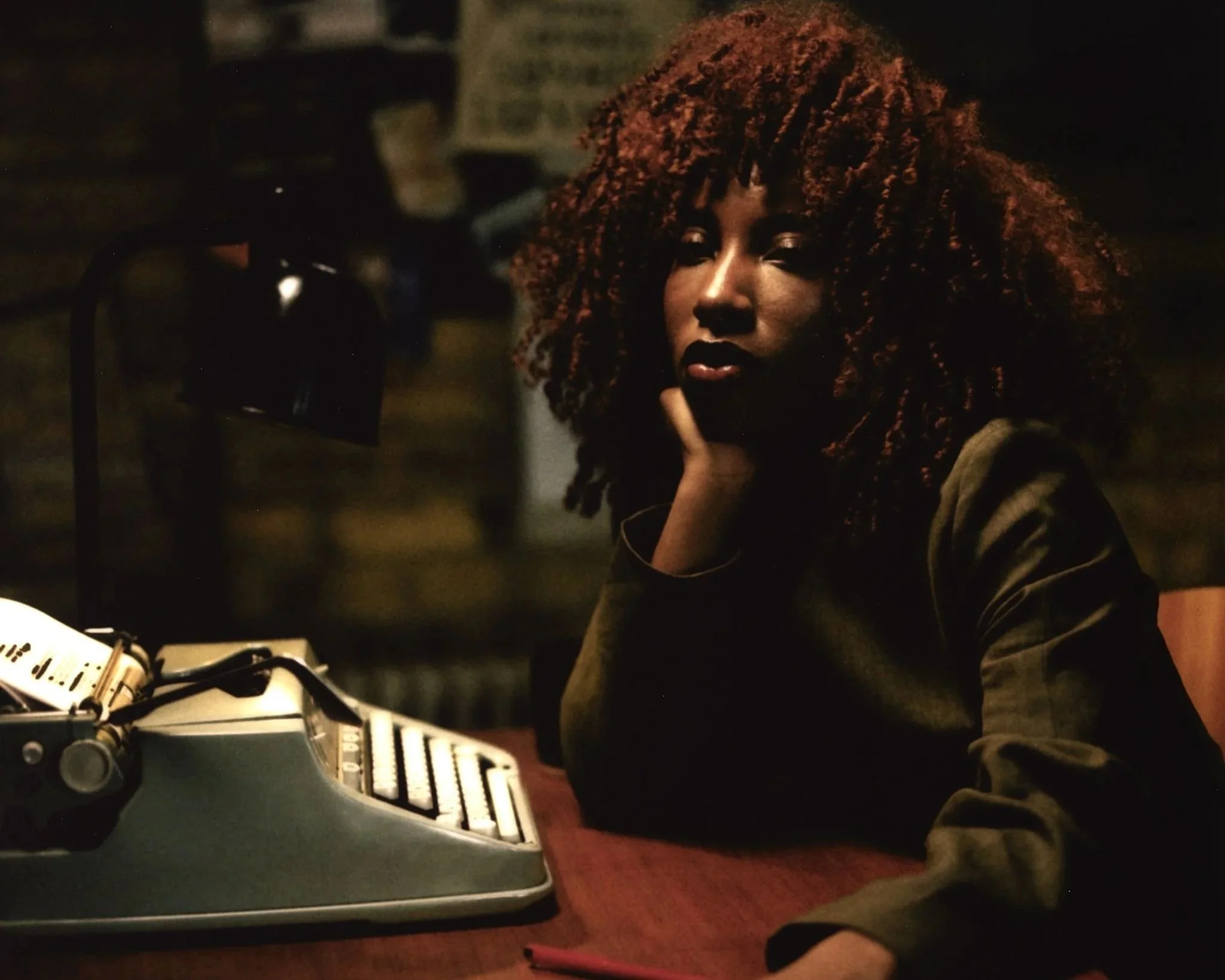
Describing it as the most "sonically interesting" song on the project, CARI speaks of the initial difficulties in lifting the song "Luvhii" off the ground. "I think when you have an instrumental that you really feel passionate about, it can make things both easier and harder."
"I sat with that instrumental for so long because I was actually intimidated by how good I thought it was." It was a day of enjoyment at DLT's, The Recipe festival, and a John Wick re-run on ITV that ignited the making of "Luvhii", fulfilling the potential that CARI heard on first listen.
Though the bones of each instrumental take form in the studio, fleshing out each lyrical story happens outside, with CARI citing Grenada as one of her favourite places to write. With Grenadian and Jamaican roots, her tenderness for Grenada, which became a haven for her creativity to flourish, is also associated with the time she spends there with her beloved grandmother.
"When I go there, I feel so at peace. I have a really special bond with my grandma and I'm really conscious about the fact that she's getting older. She's in her eighties, and I really, really value any time we can spend together. A lot of that time is spent in her house in Grenada, so it's nice to know that, "Oh, I went to her place and I was able to write these things."
Juxtapositions and parallels are not only explored within songs, but between them, with the songs "Flux" and "Over & Over" nesting side by side at the end of the EP, like brother and sister, offering different sides to the same coin. While "Over & Over" tells a candid and exposed story of attempts to manage anxieties, "Flux" accepts that all questions may not be answered in the present.
Writing from personal experience was always second nature for CARI, but the ease of transforming raw emotions into words came with time. "Colder in June" and "Bleeding" are two songs that materialised from the same relationship, months after it had ended. With her therapist's support and a focus on what resonates with listeners, CARI has given herself "permission to feel things," building the confidence to leave it all on the track.
“I really wanted the last thing that people heard to be, ‘Maybe if I push my luck I’ll make it.’ That’s what I want people to take away from the project.”
"When I wrote, 'Over & Over', I was like 'I can't believe I'm about to share such personal things', and I really struggled with that. As much as I wanted it to be out in the world, it wasn't an easy decision at all. As time goes on, I'm accepting that that's the part of my music that people seem to connect with, because I think the issues of self-esteem and mental health and questions are such a universal part of life."
Being perceived outside of the music itself is something that CARI is still learning to navigate. With social media dominating how current artists promote themselves, it can feel more of a requirement than a choice.
Despite initially being "anti making-content", CARI's sentiments towards social media as a tool have shifted slightly. "I've realised that in this day and age, if I think my music deserves eyes, I have to go out and do the work to get those eyes on the music." CARI is now embracing the new life continuously pumped into FLUX as it reaches more ears.
"My favourite part of FLUX being out is seeing how people connect to the songs. I've had these songs for ages, and naturally, I started to second-guess certain things. So it's nice to see people hearing [the project] for the first time and really enjoying it. I think it's also made me resilient, because I've gotten to a place where I'm okay if someone doesn't love the music—and I don't think I was there before."
As CARI stands back and witnesses her music move to its own rhythm and push her onto bigger stages, she looks upon a journey that feels both deeply personal and widely relatable. The space she has created for herself is unforgettable: the music is enlivening, the potential is vast. If this is CARI's first chapter, the next ones promise even more evolution, growth, flux and flow.
Stream FLUX below: